Previous post

Next post

Roam the world, record the moments, relive the memories!

Golden deserts stretching endlessly under the sun, rose-red canyons carved by ancient civilisations, and cities where history whispers through stone walls – Jordan is a destination that feels like stepping into a storybook. From world-famous archaeological wonders to breathtaking landscapes, this Middle Eastern gem holds a rich heritage and timeless beauty.
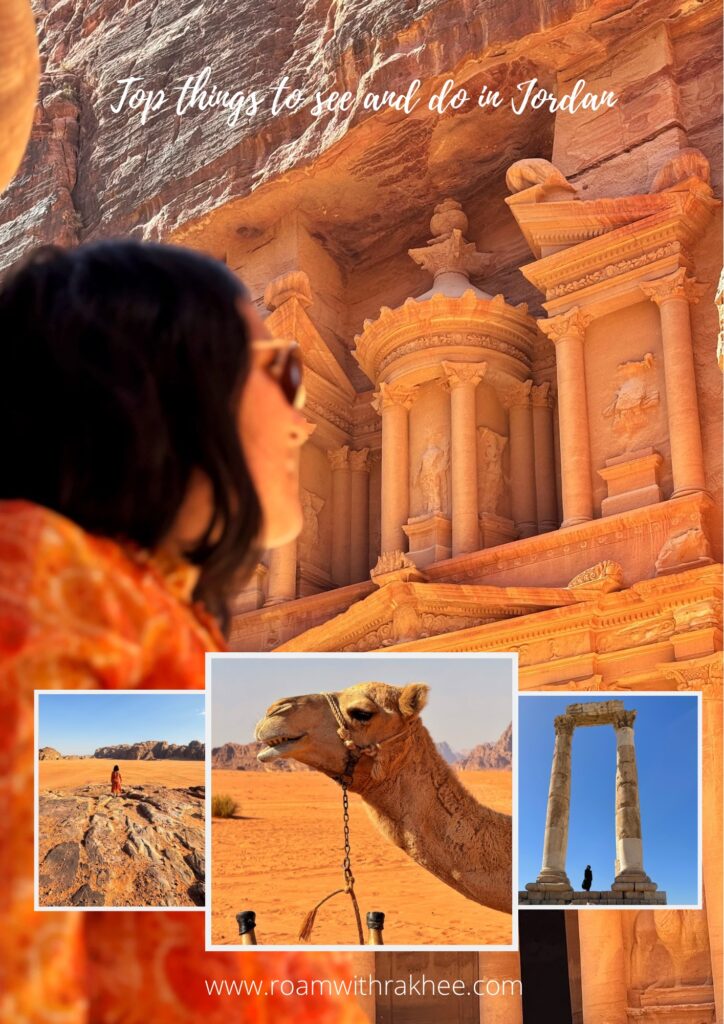
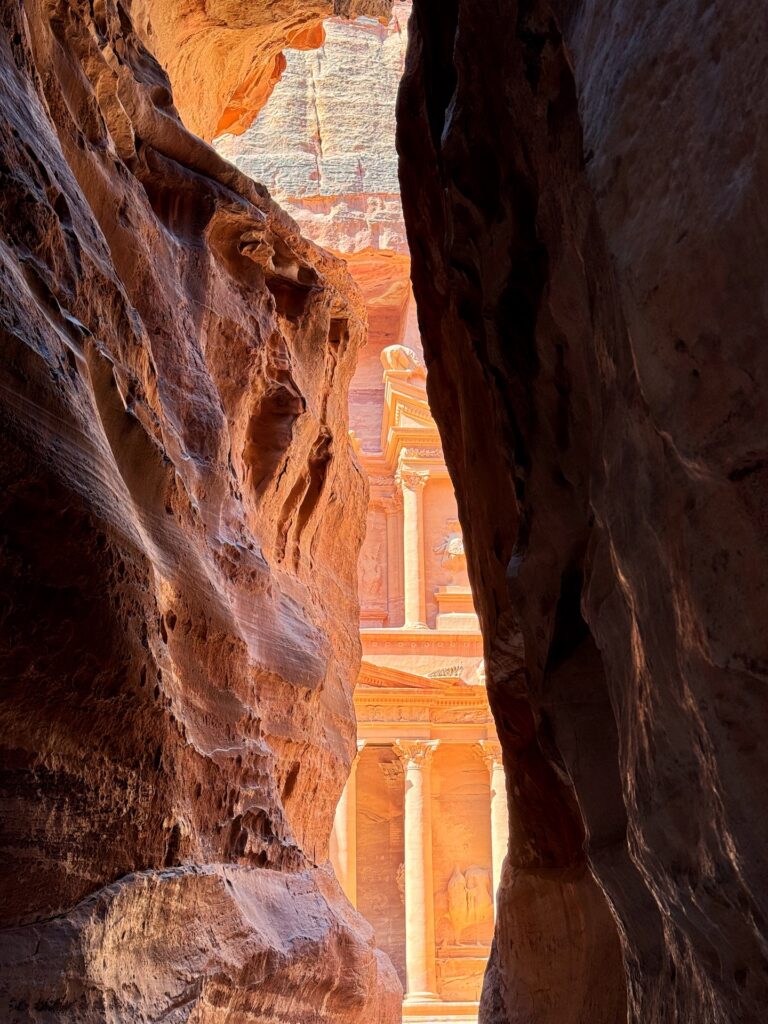
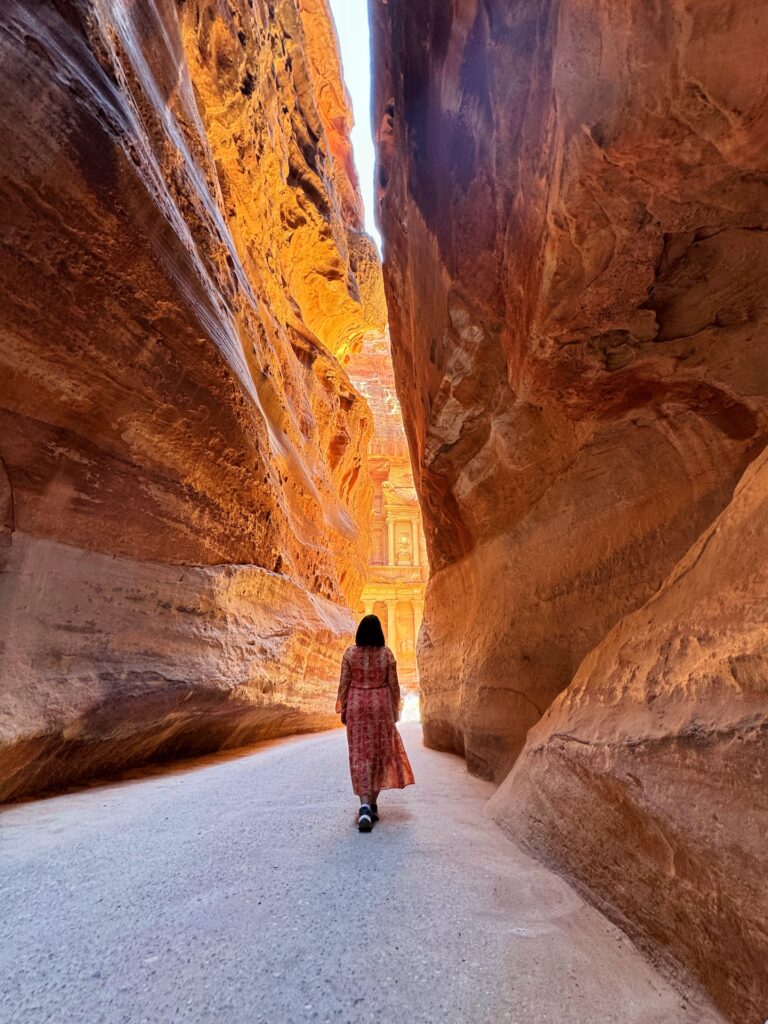
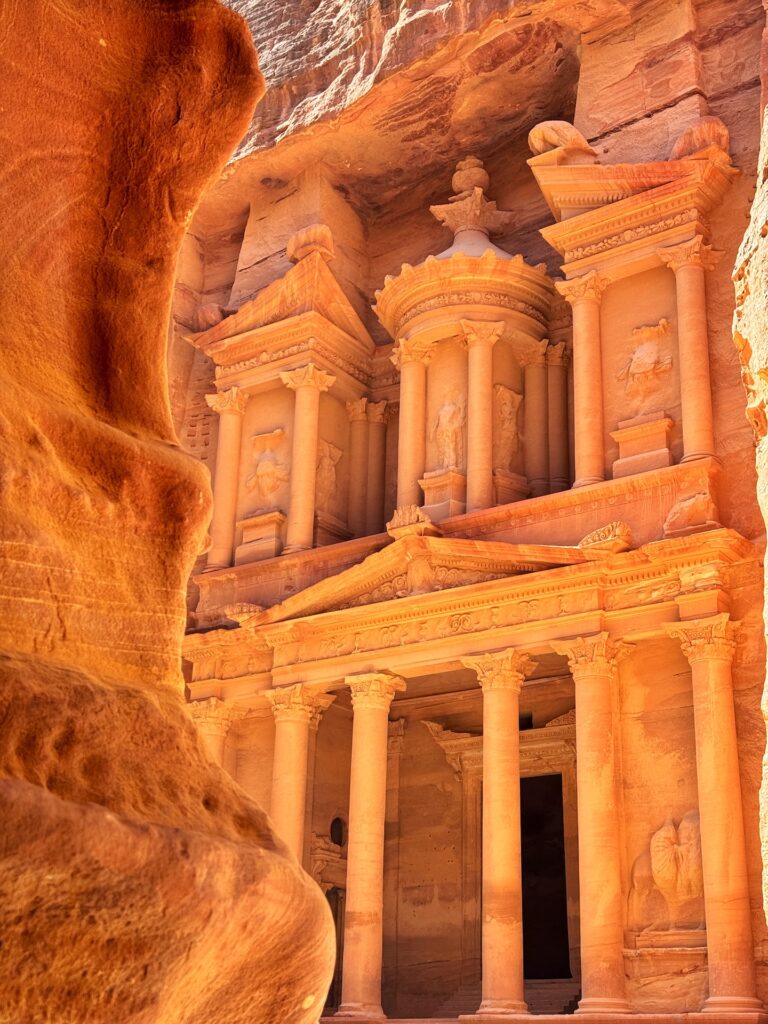
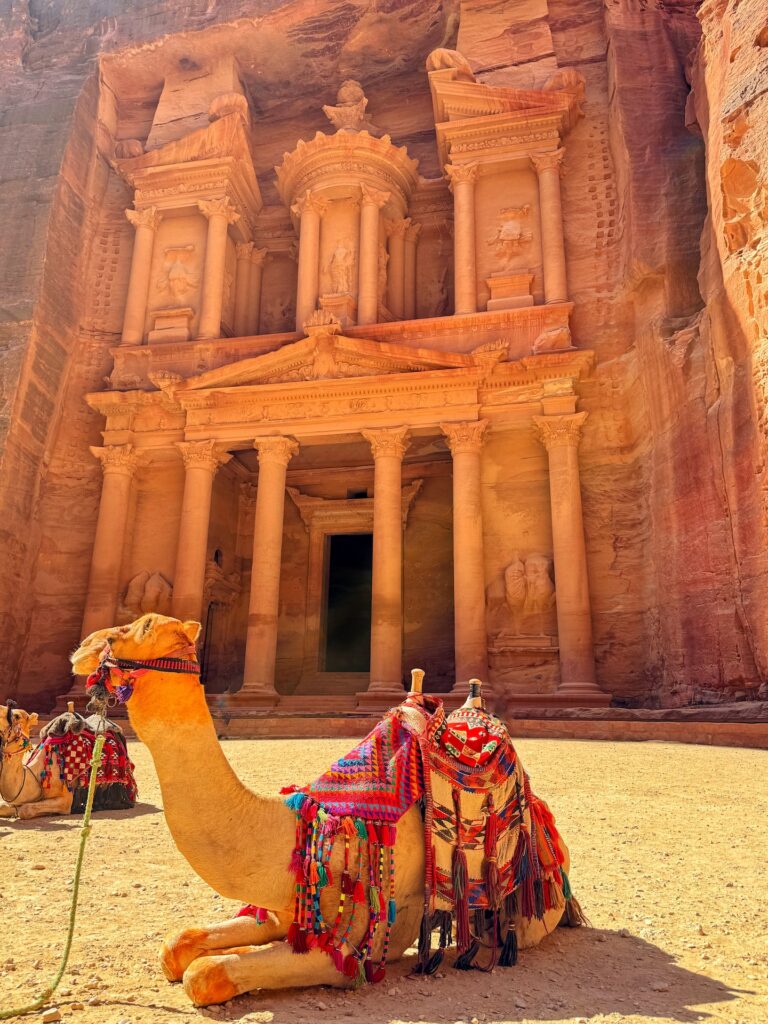
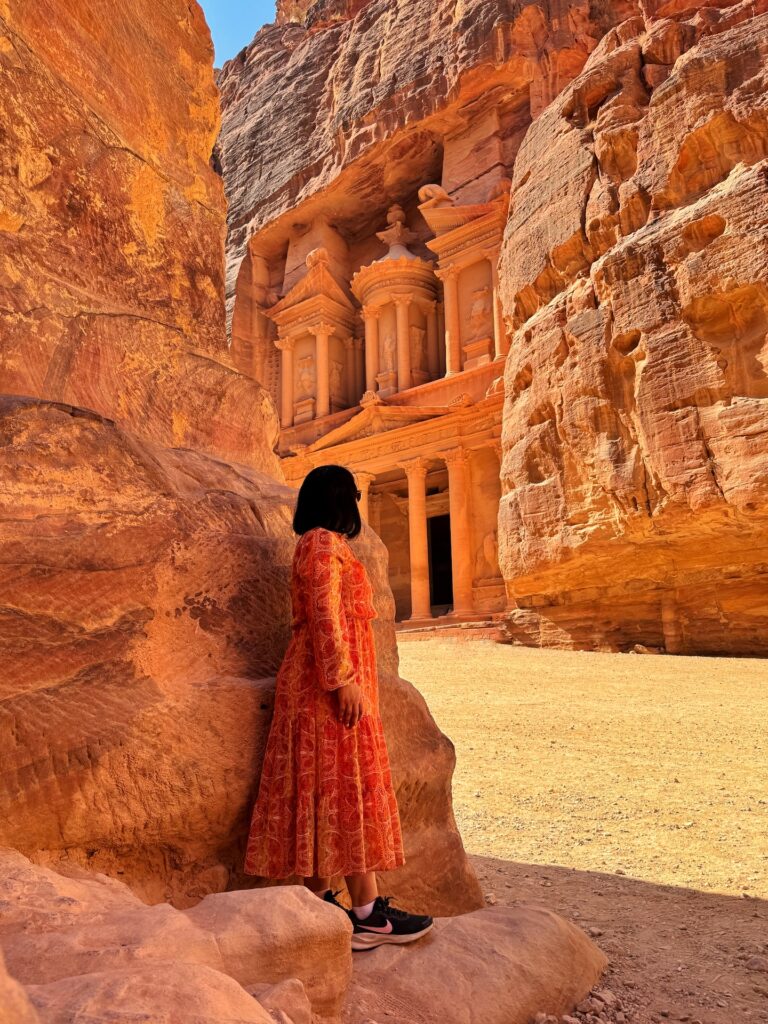
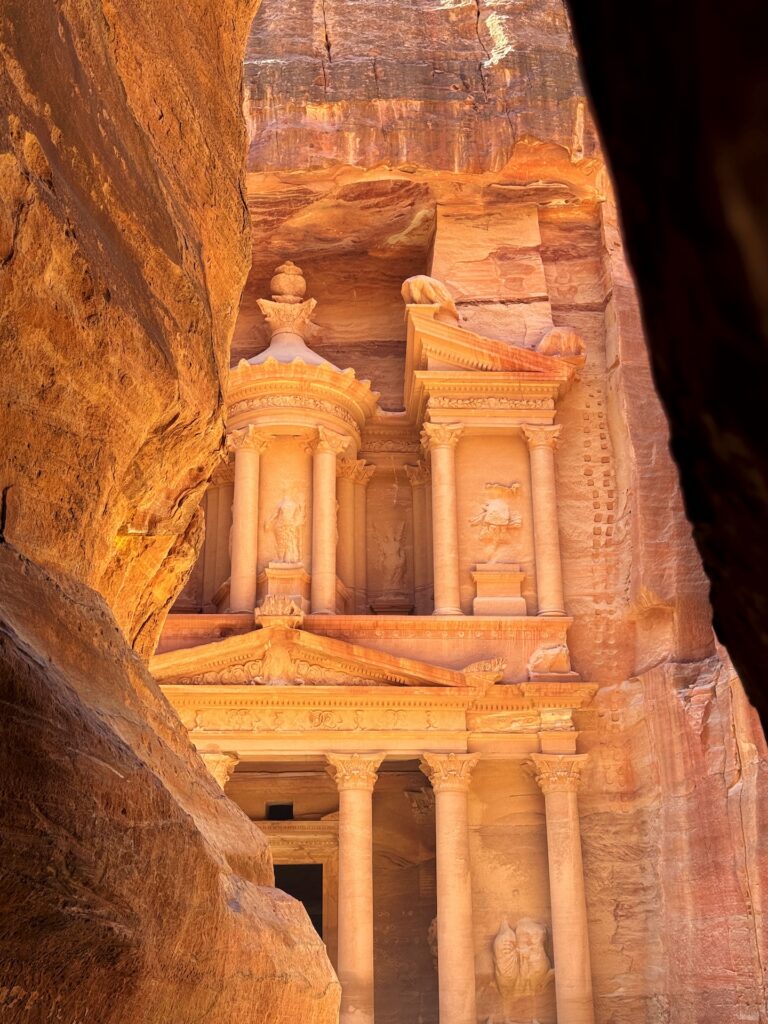
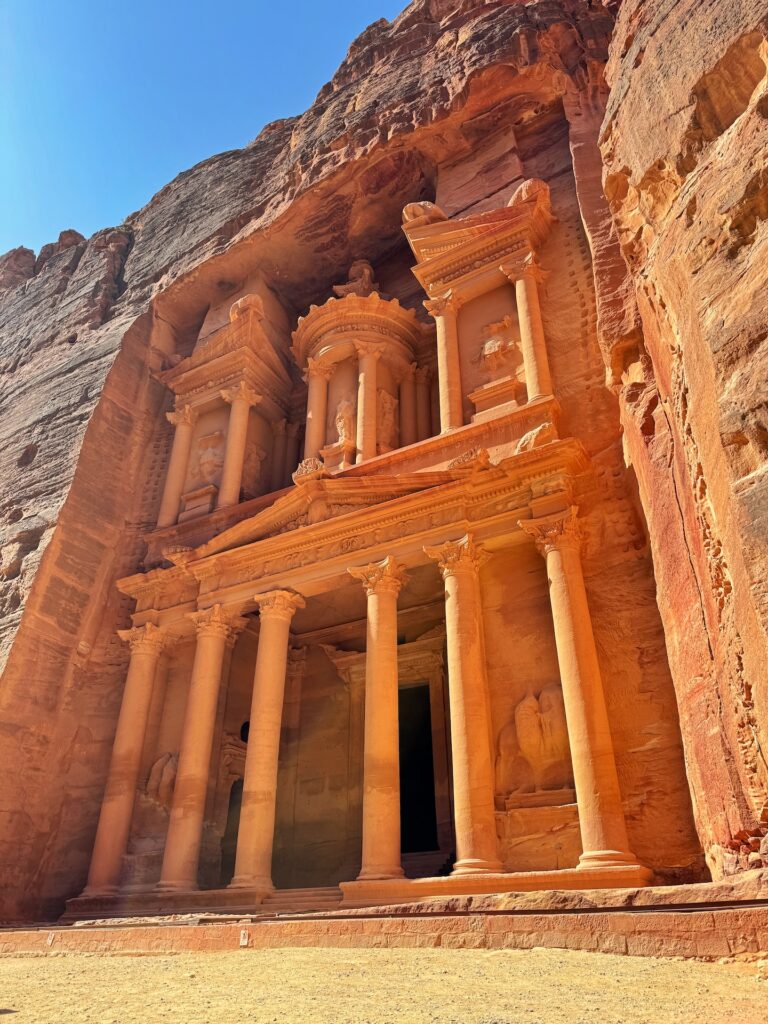
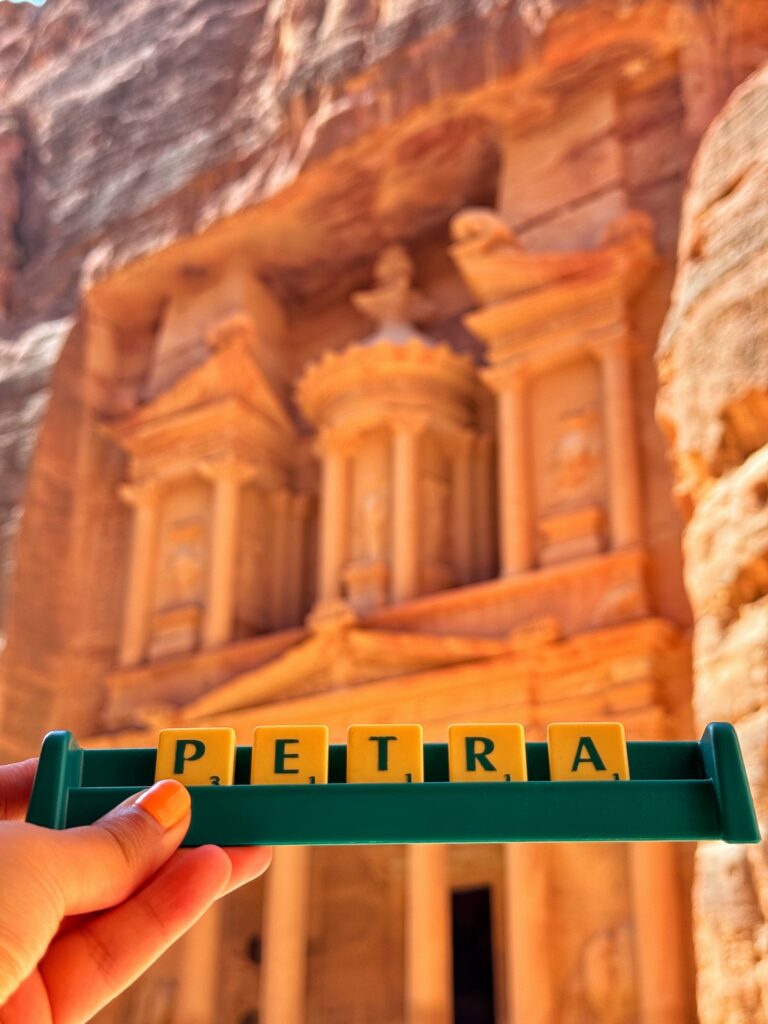
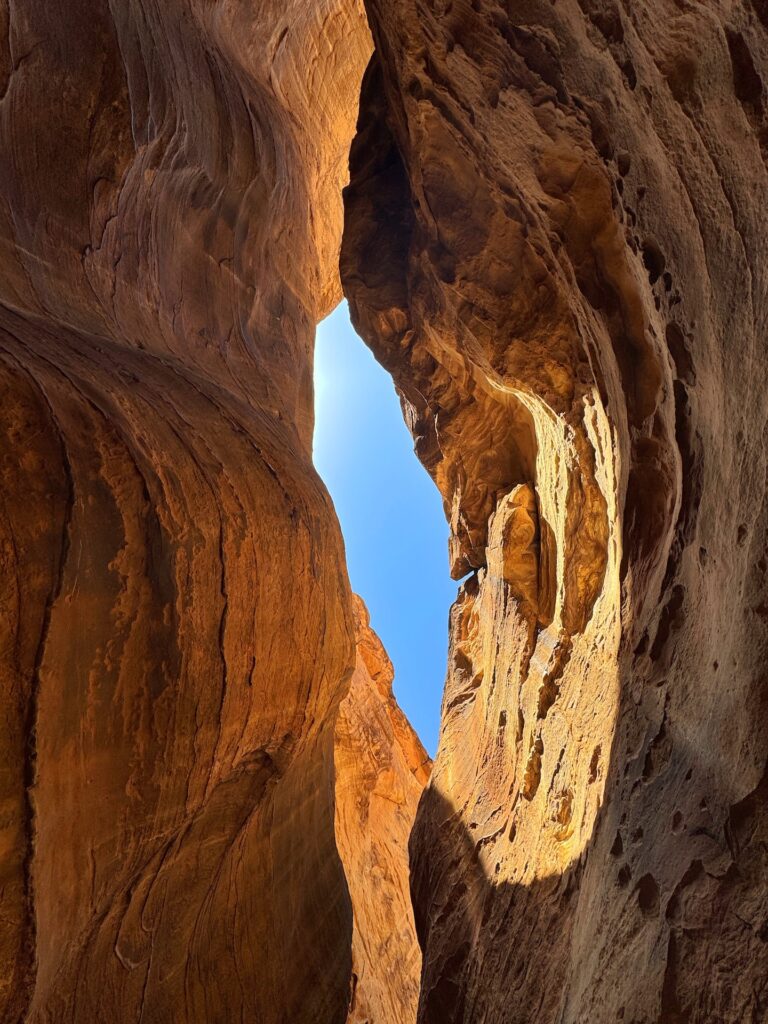
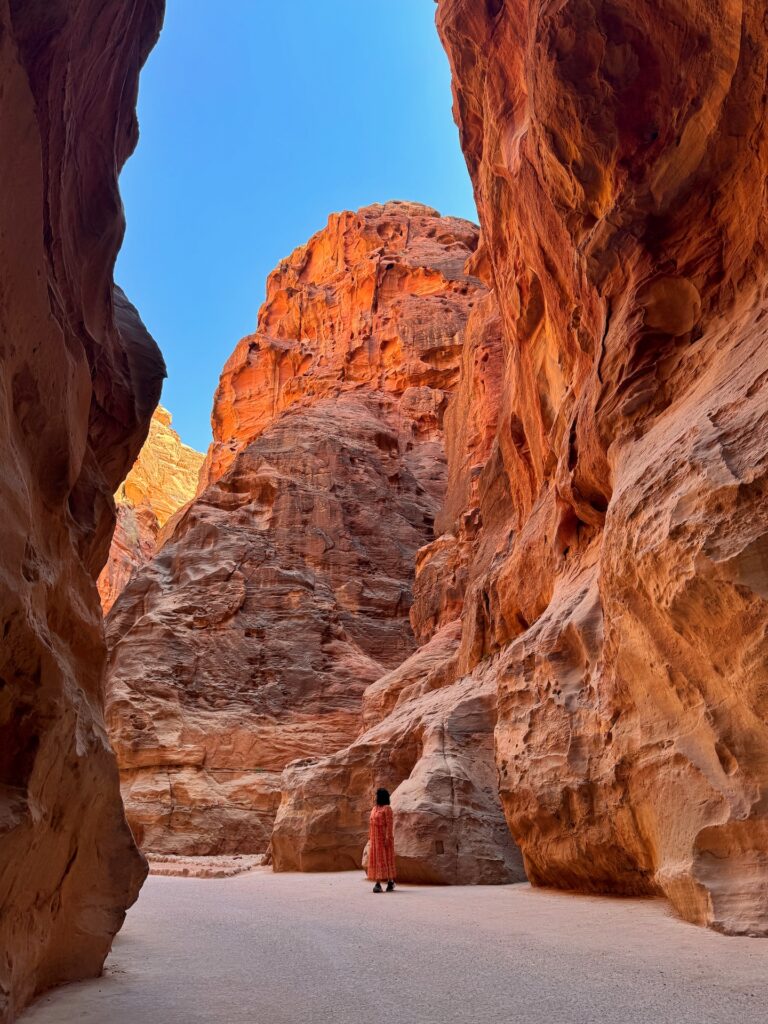
A UNESCO World Heritage Site and one of the New Seven Wonders of the World, Petra is Jordan’s crown jewel. The narrow Siq leads dramatically to the Treasury, its carved façade glowing in the desert light. Beyond it, a vast city unfolds with tombs, temples, pathways, and monumental structures.

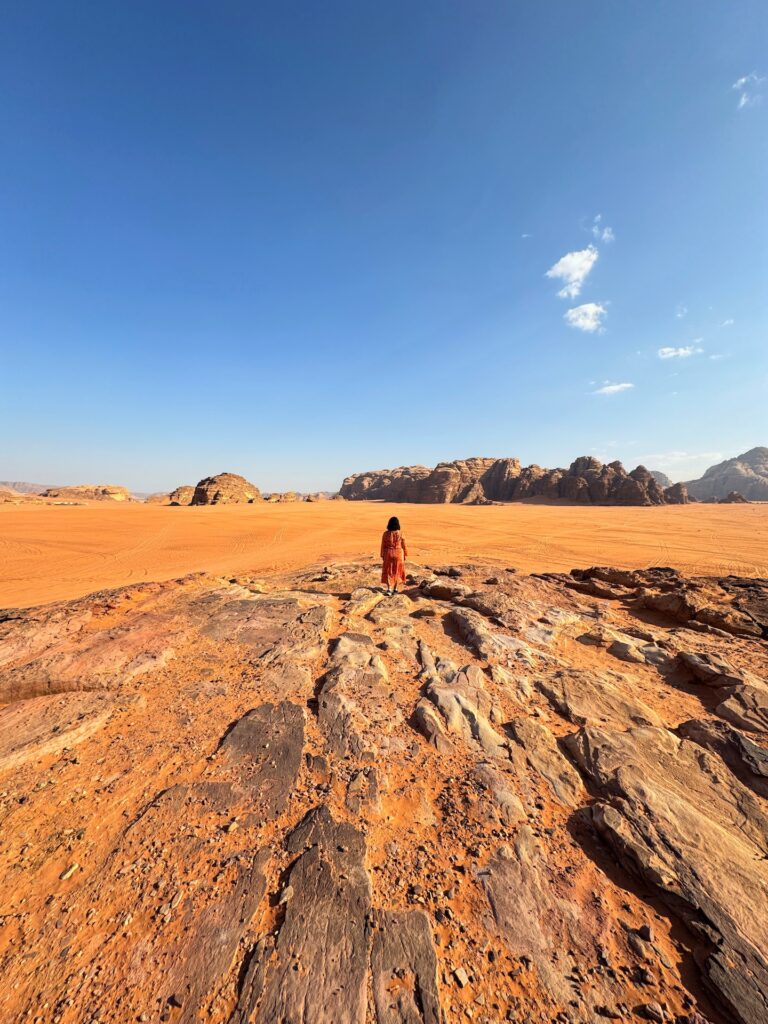
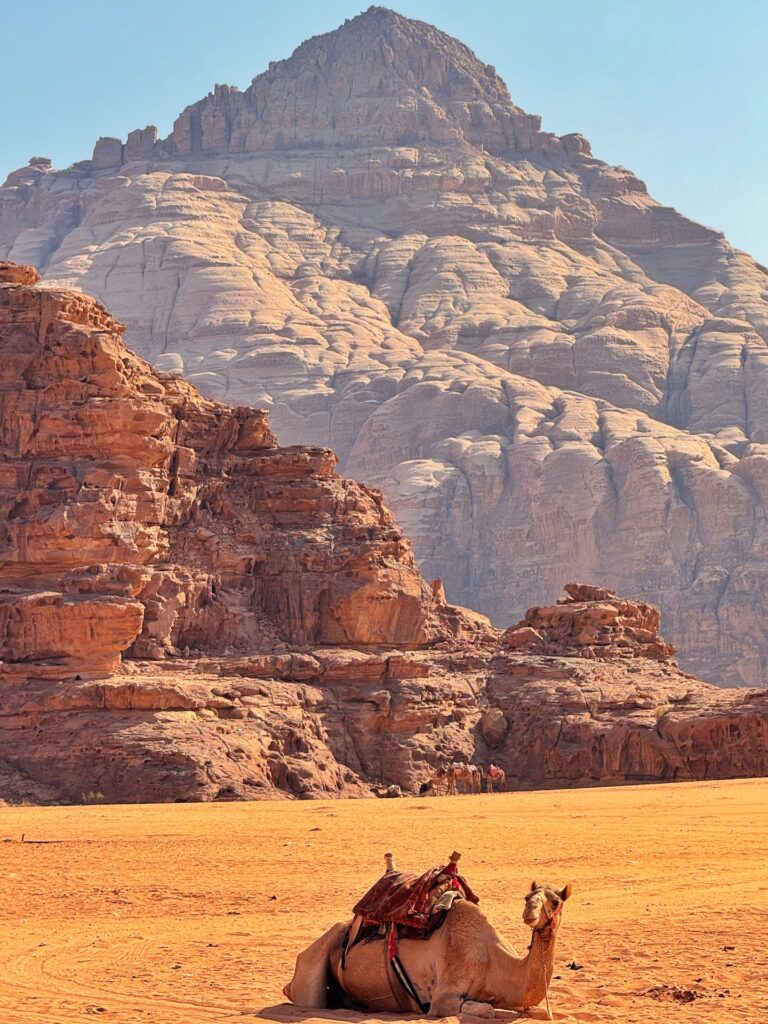
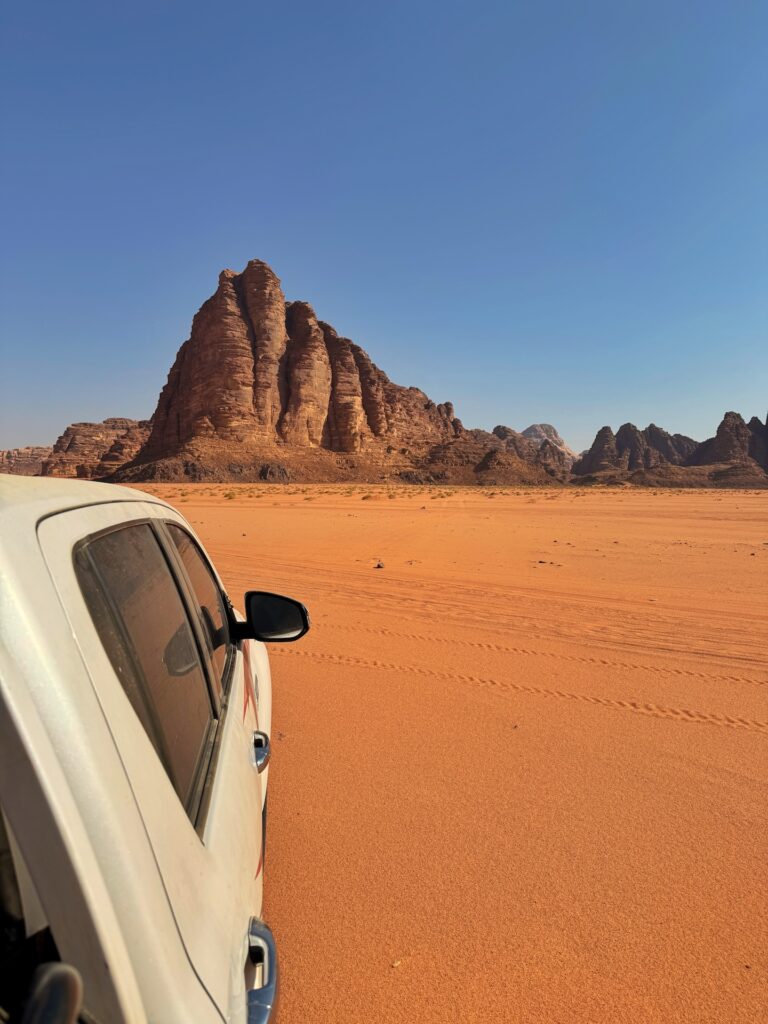
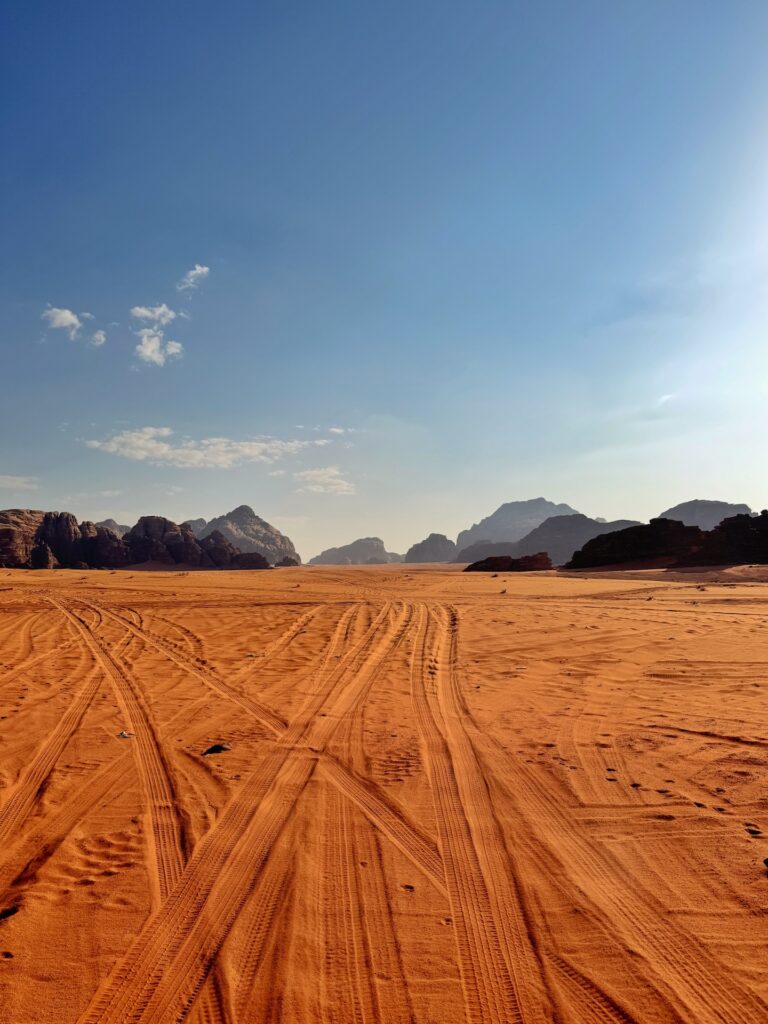
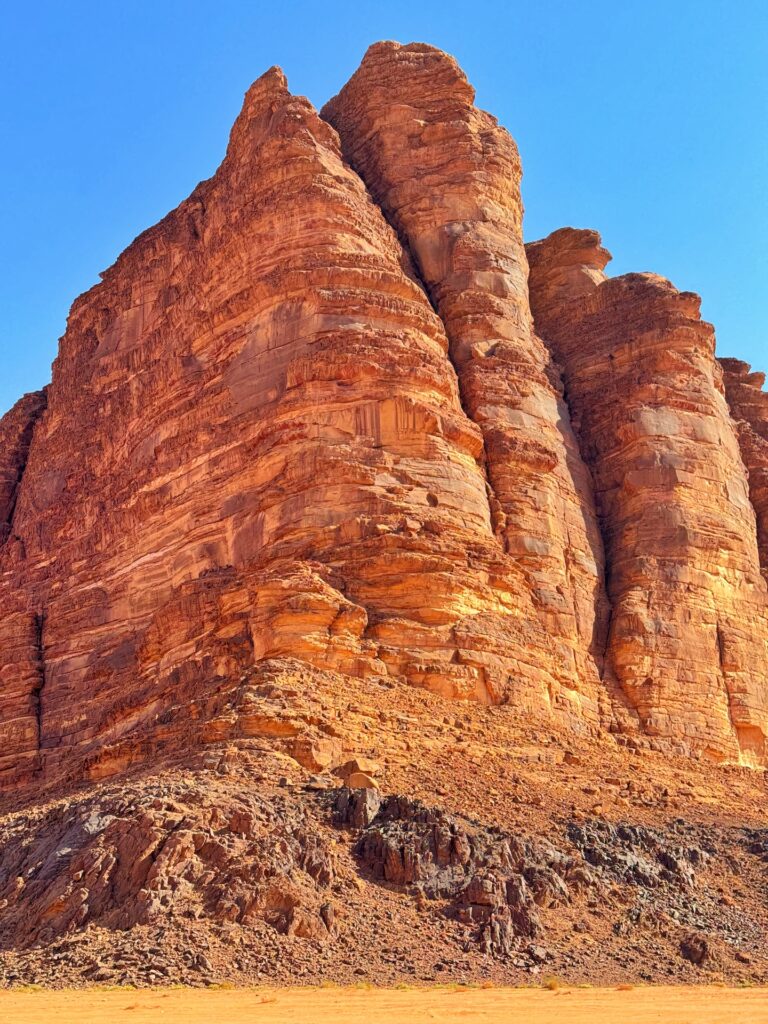
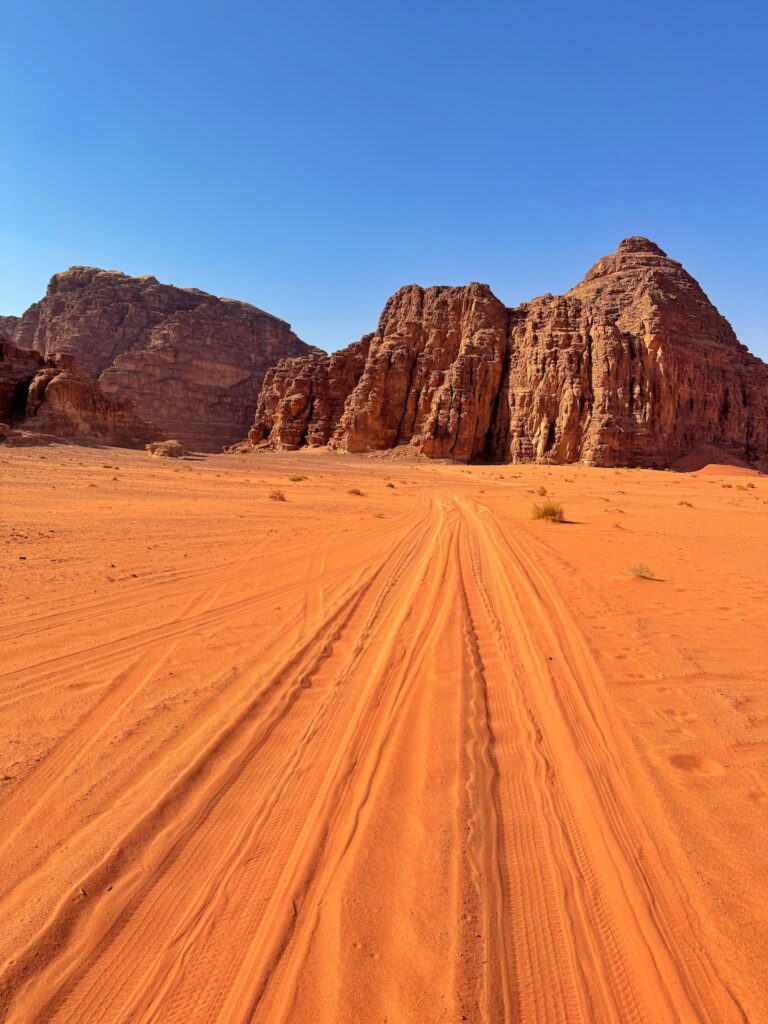
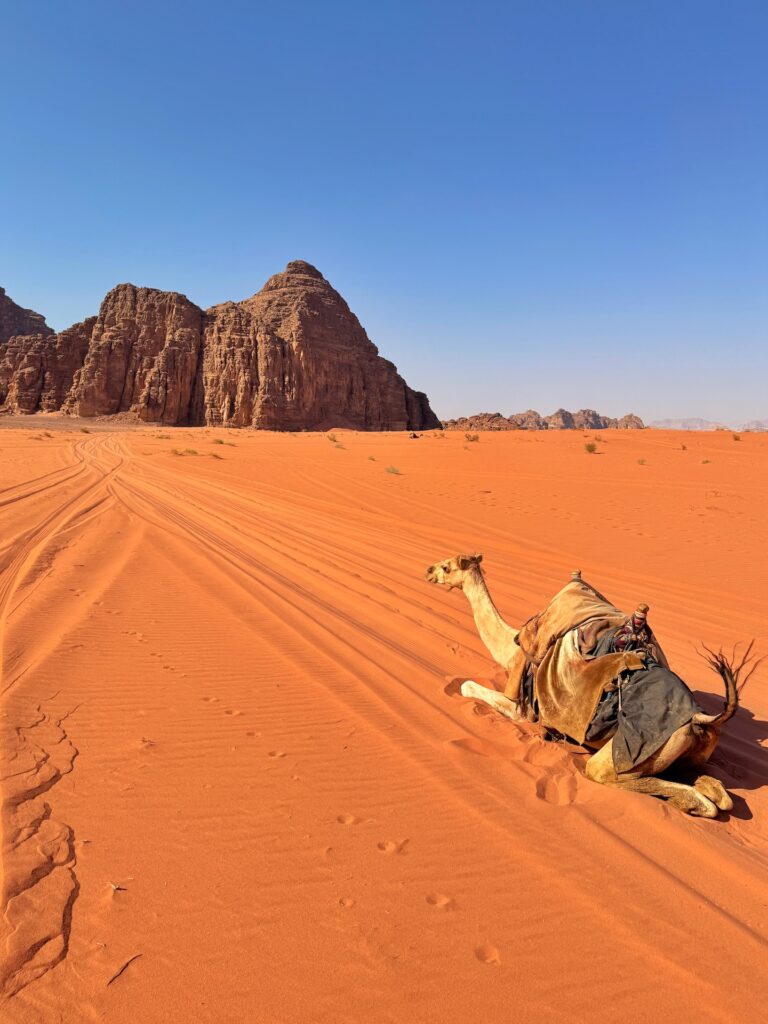
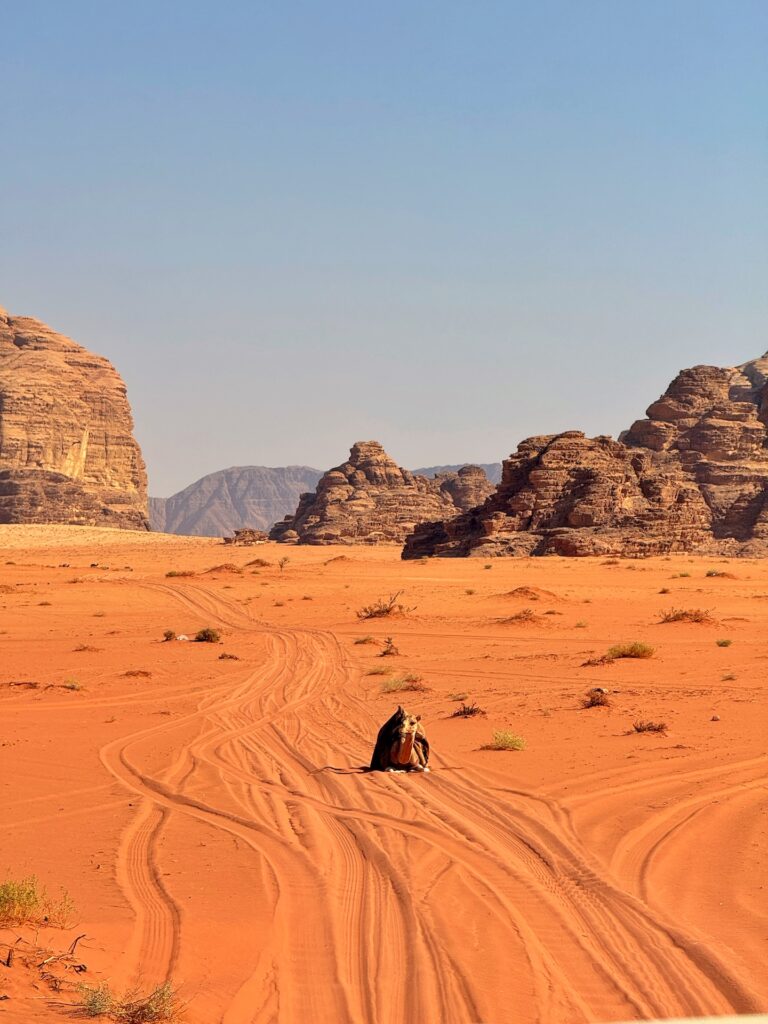
Sweeping red sand, towering sandstone cliffs, surreal desert landscapes, and endless skies define Wadi Rum. The Valley of the Moon is rich with natural arches, canyons, and ancient petroglyphs, creating a scene that feels otherworldly both by day and under the stars.

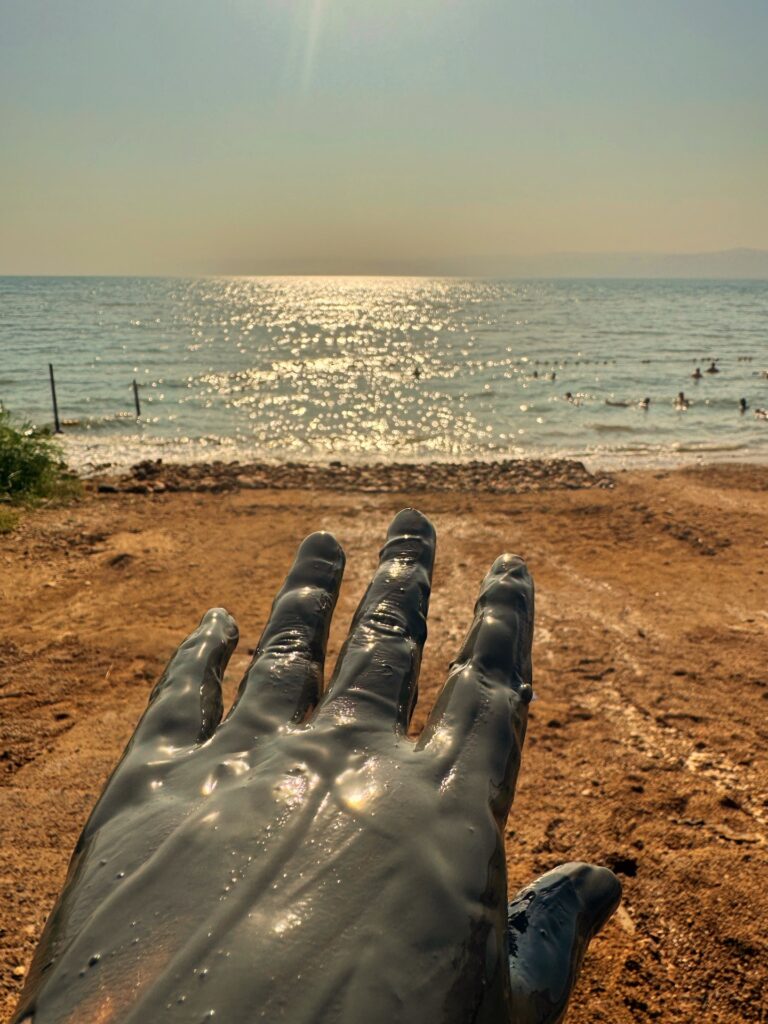
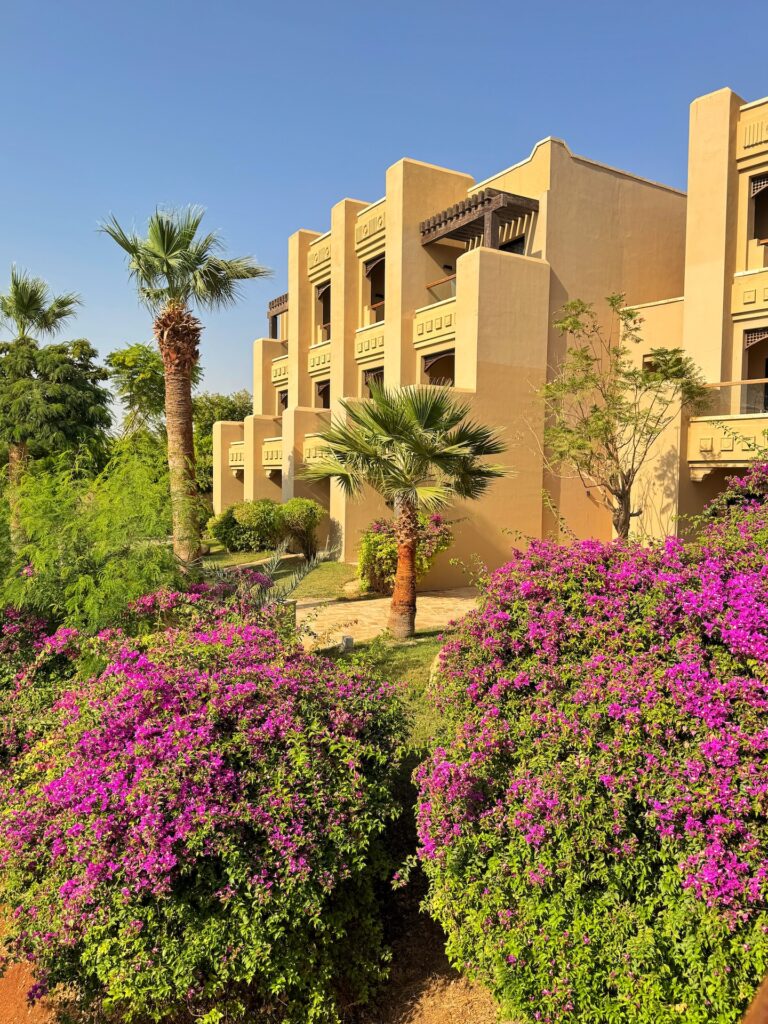
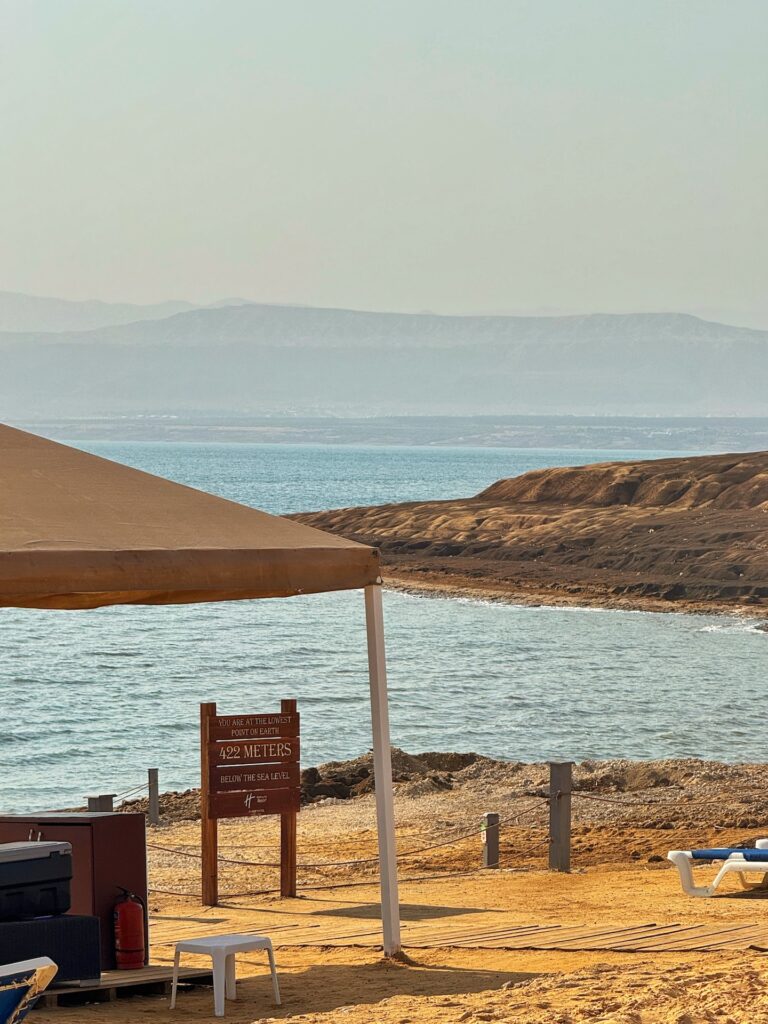
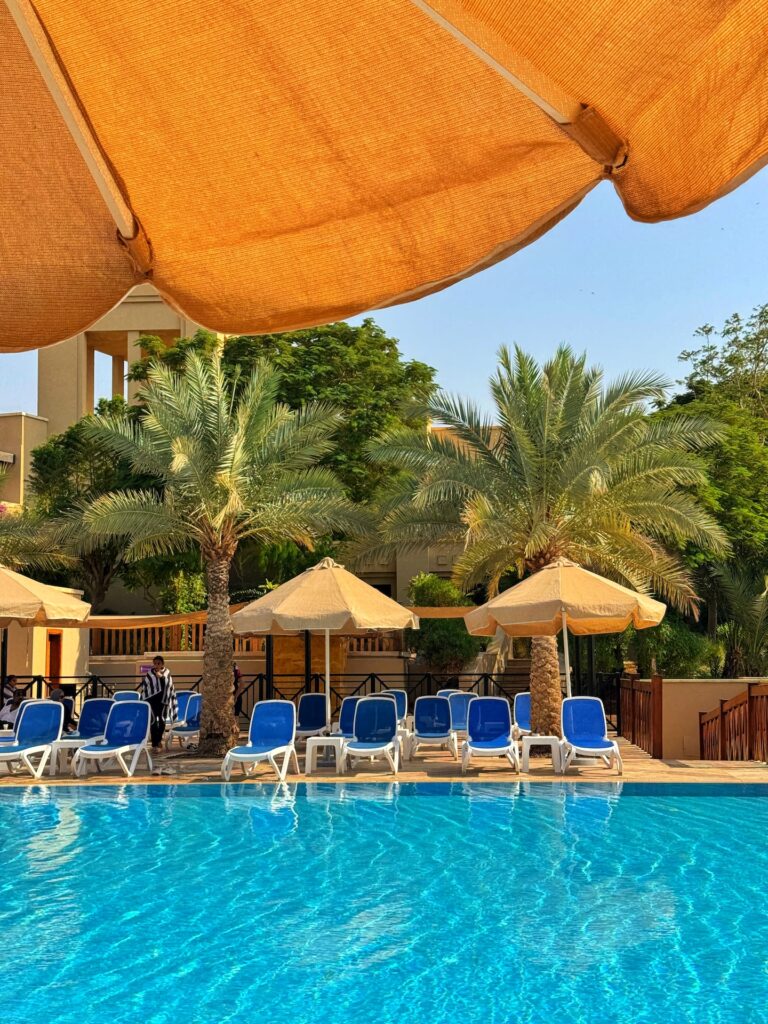
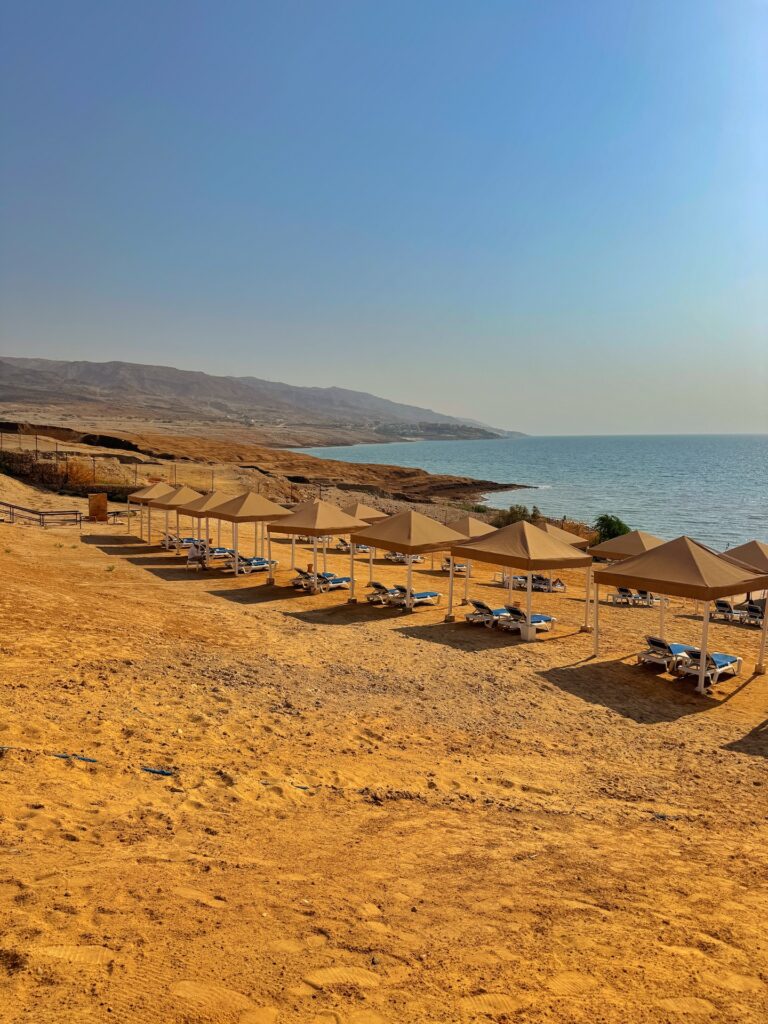
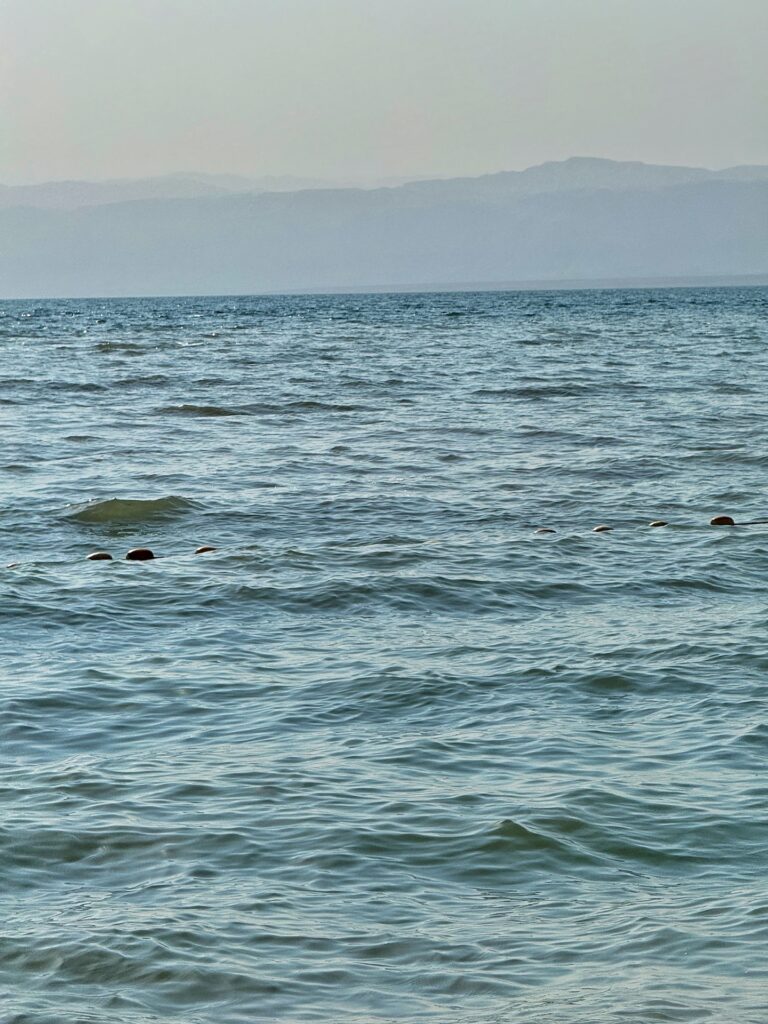
The Dead Sea, officially the lowest point on Earth, is a striking natural wonder. Its dense, mineral-rich waters and black mud are famously known for their therapeutic qualities.
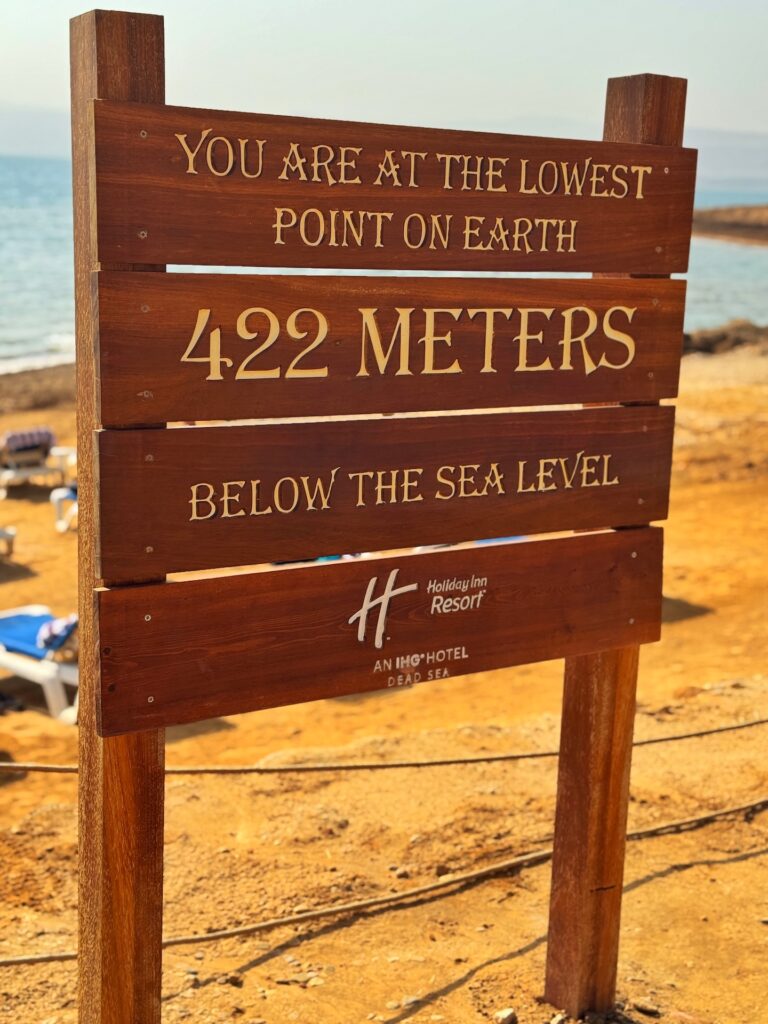
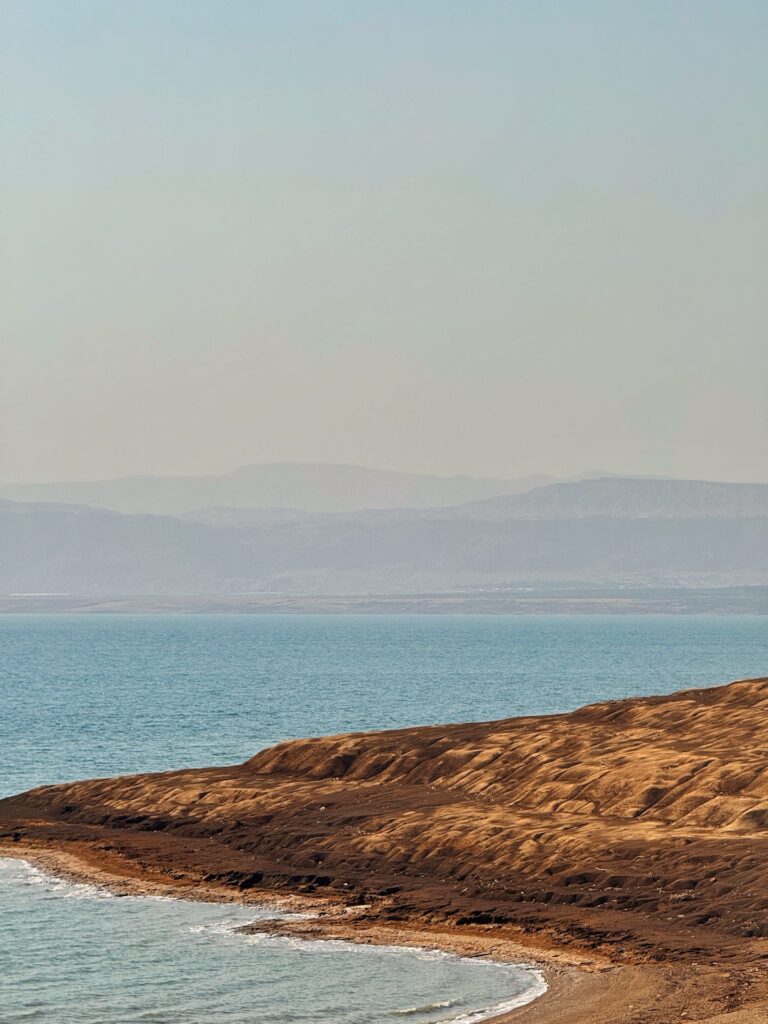
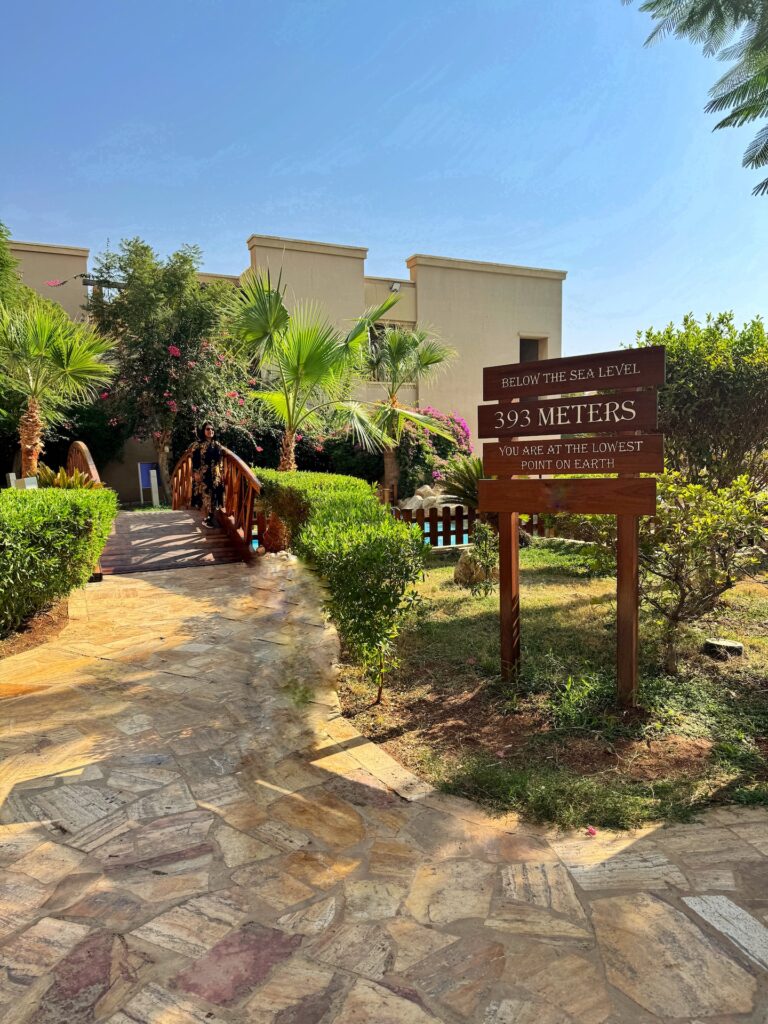
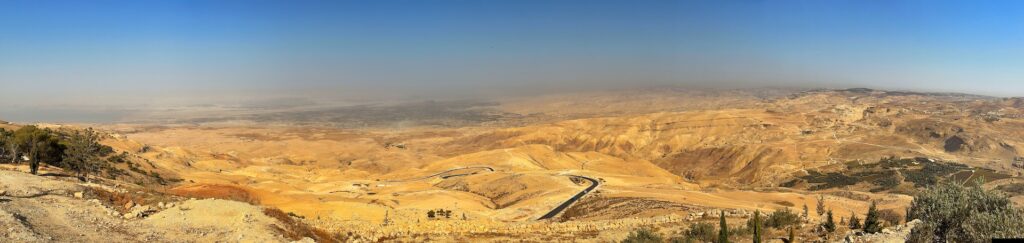
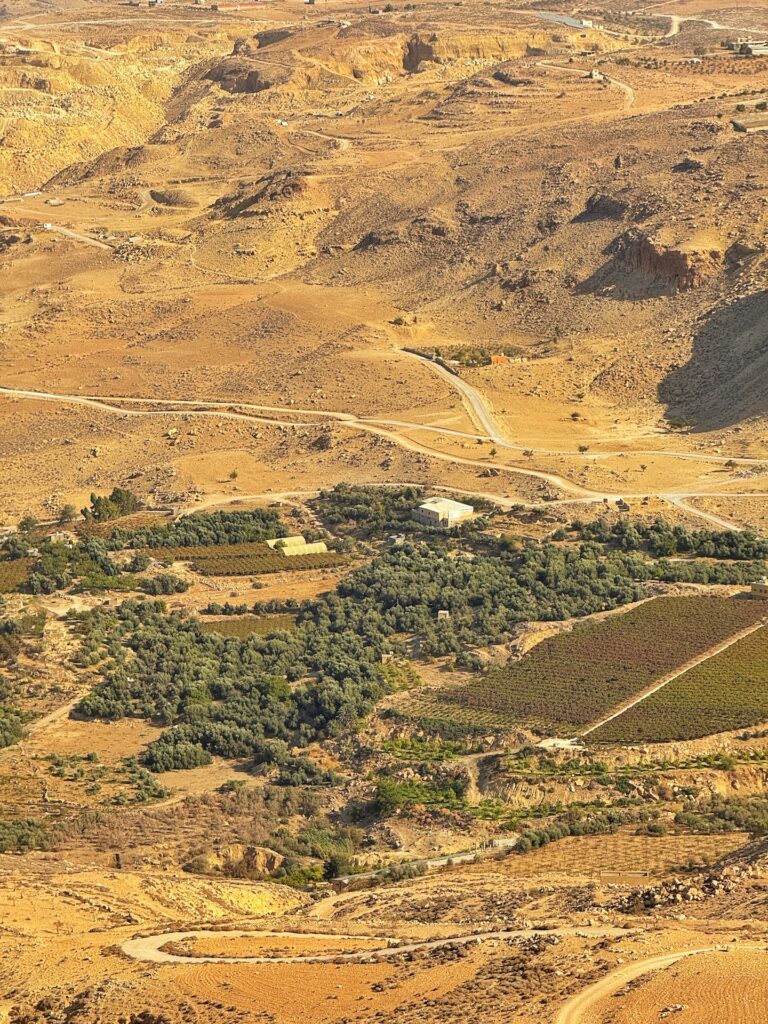
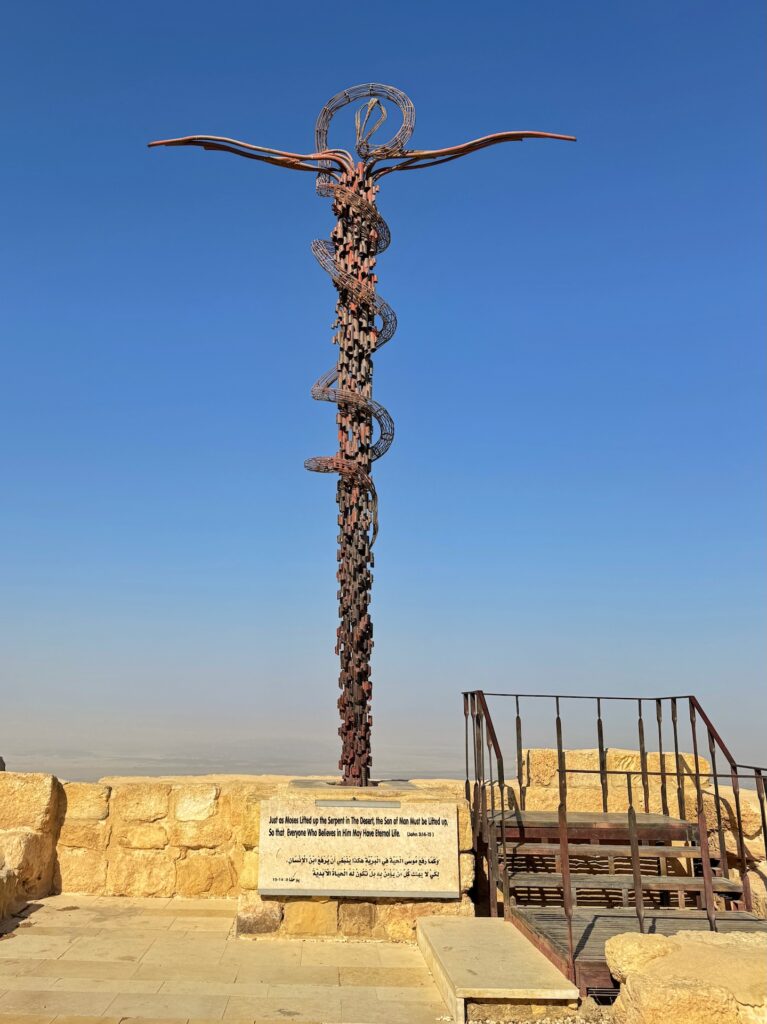
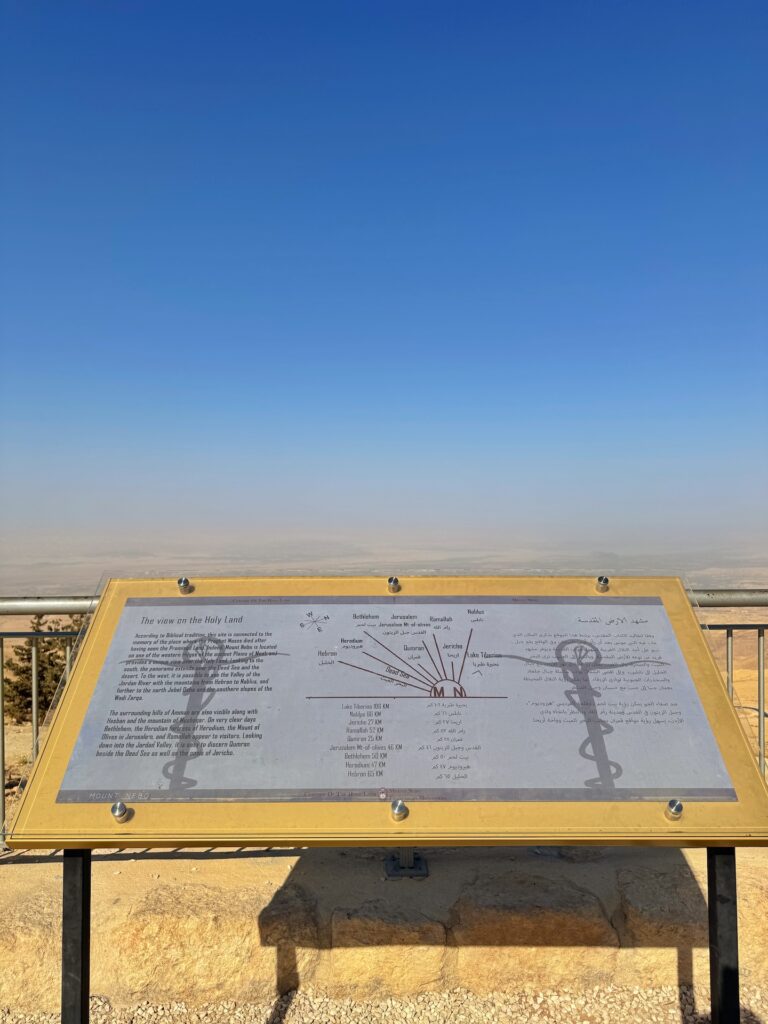
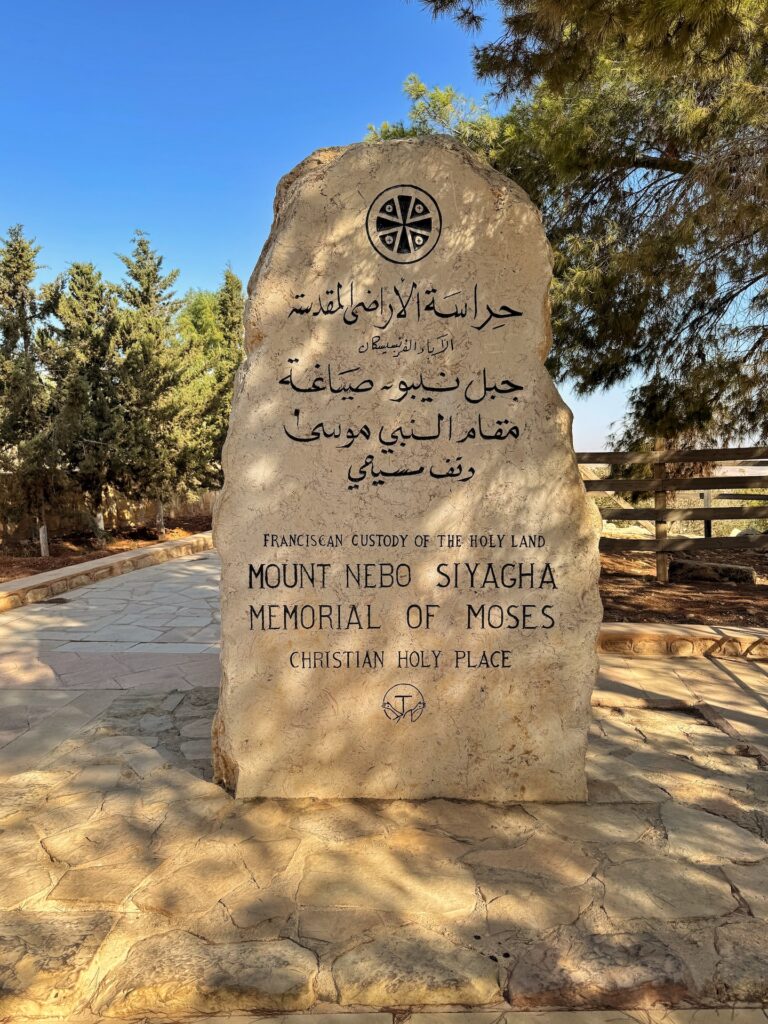
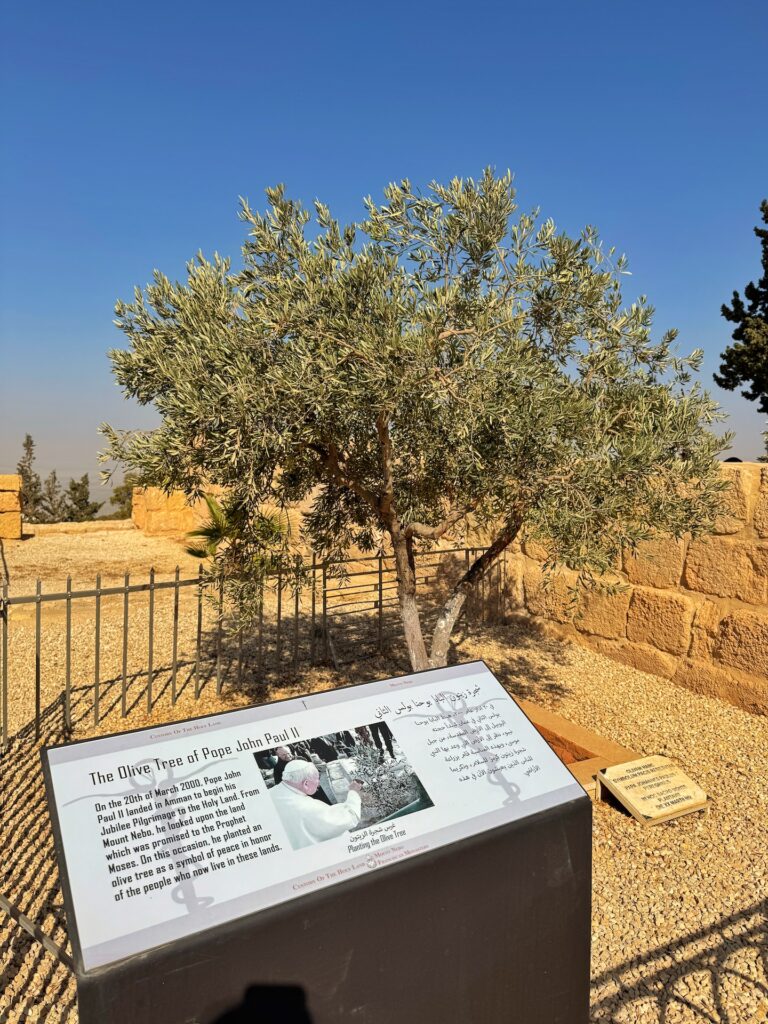
Mount Nebo is traditionally identified as the place where Moses viewed the Promised Land and is the location of Moses’ memorial. From its summit stretch wide vistas across the Jordan Valley, the Dead Sea, and even Jerusalem on a clear day.
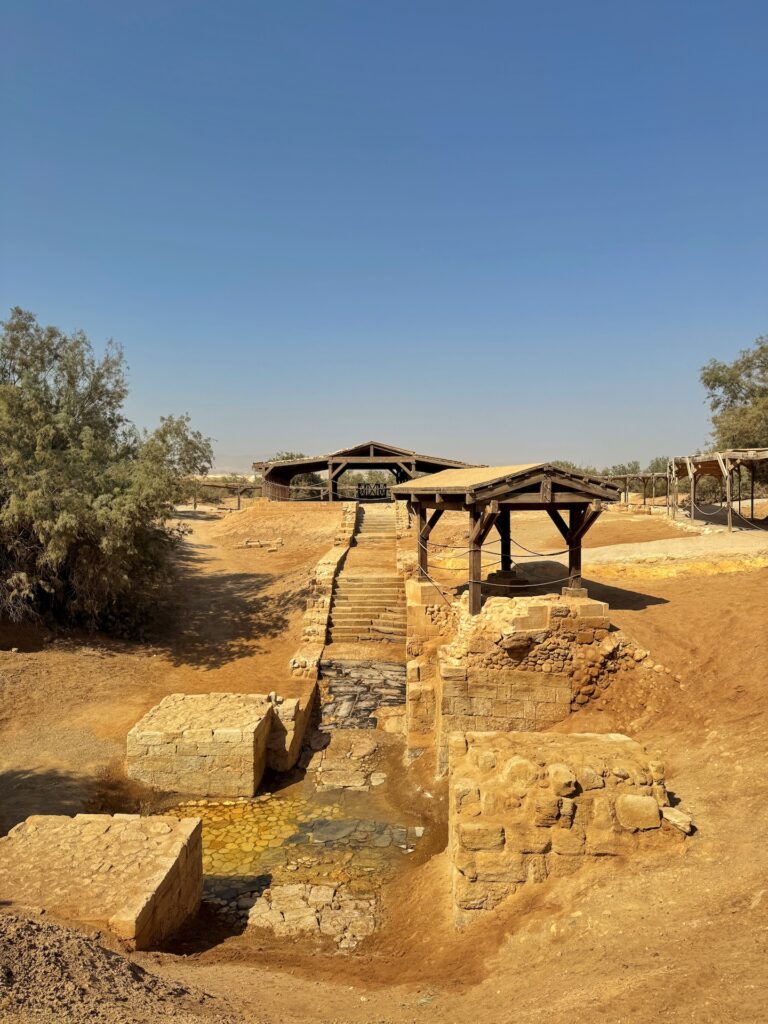
On the eastern banks of the Jordan River lies the site believed to be where Jesus was baptised by John the Baptist. Recognised as a UNESCO World Heritage Site, it contains remains of ancient churches, baptismal pools, and sacred water channels, surrounded by serene landscapes that speak to its spiritual significance.
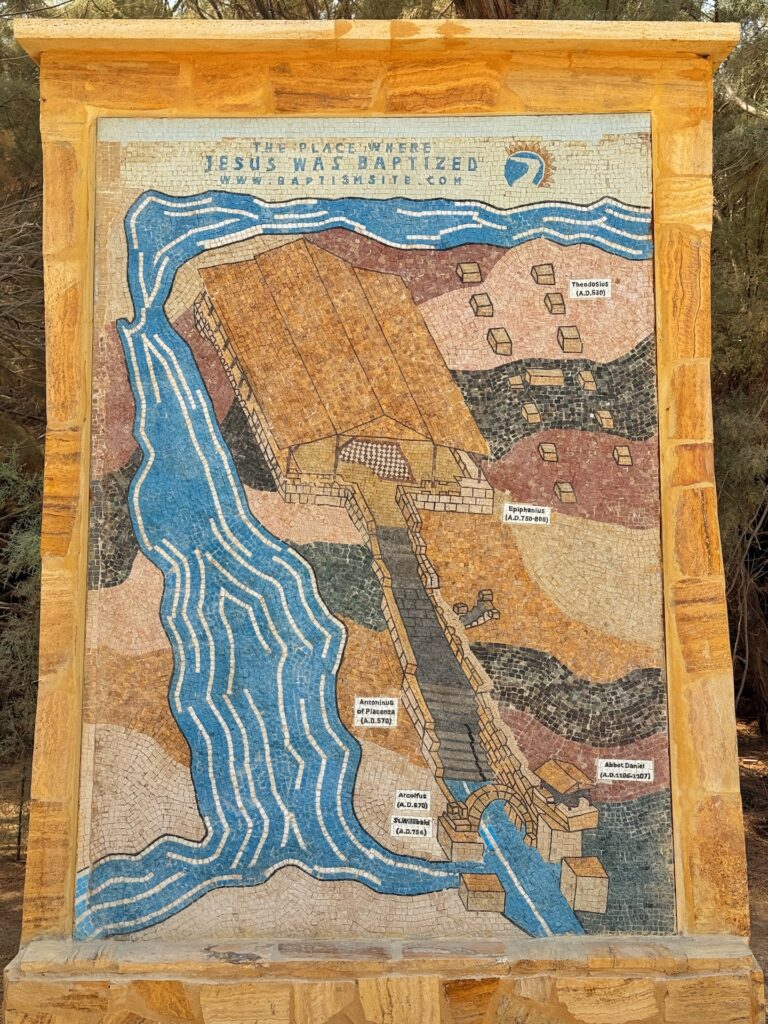
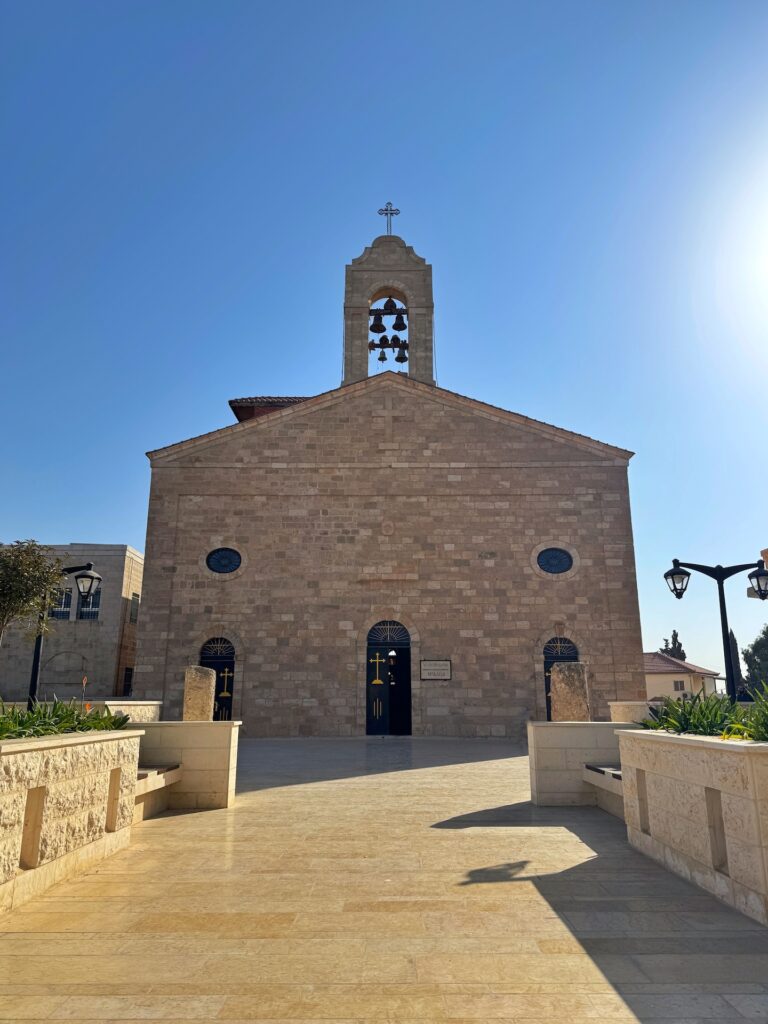
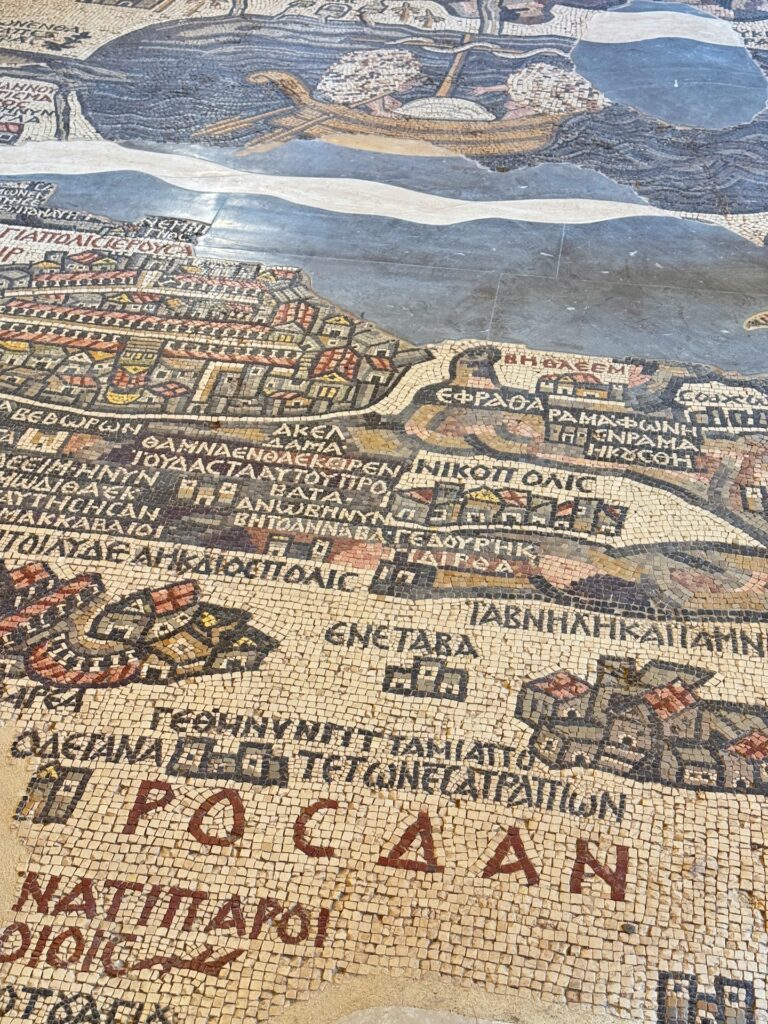
Madaba is famed for its Byzantine and Umayyad mosaics. The most celebrated is the 6th-century mosaic map of the Holy Land in the Greek Orthodox Church of St. George. Throughout the city, vivid mosaics decorate churches and archaeological sites, reflecting the artistry and faith of past generations.
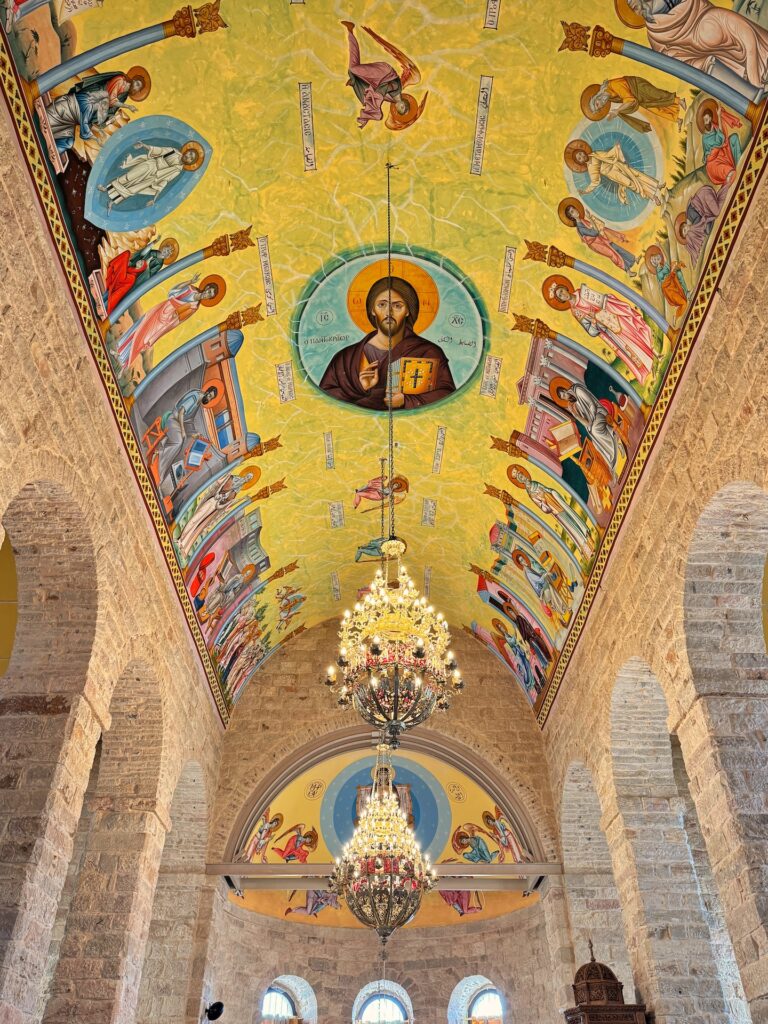
Jerash ranks among the world’s best-preserved Greco-Roman cities. Colonnaded streets, grand plazas, temples, and theaters create the impression of a city still alive with history. Highlights include the Oval Plaza, Hadrian’s Arch, and the remnants of a hippodrome once used for chariot races.
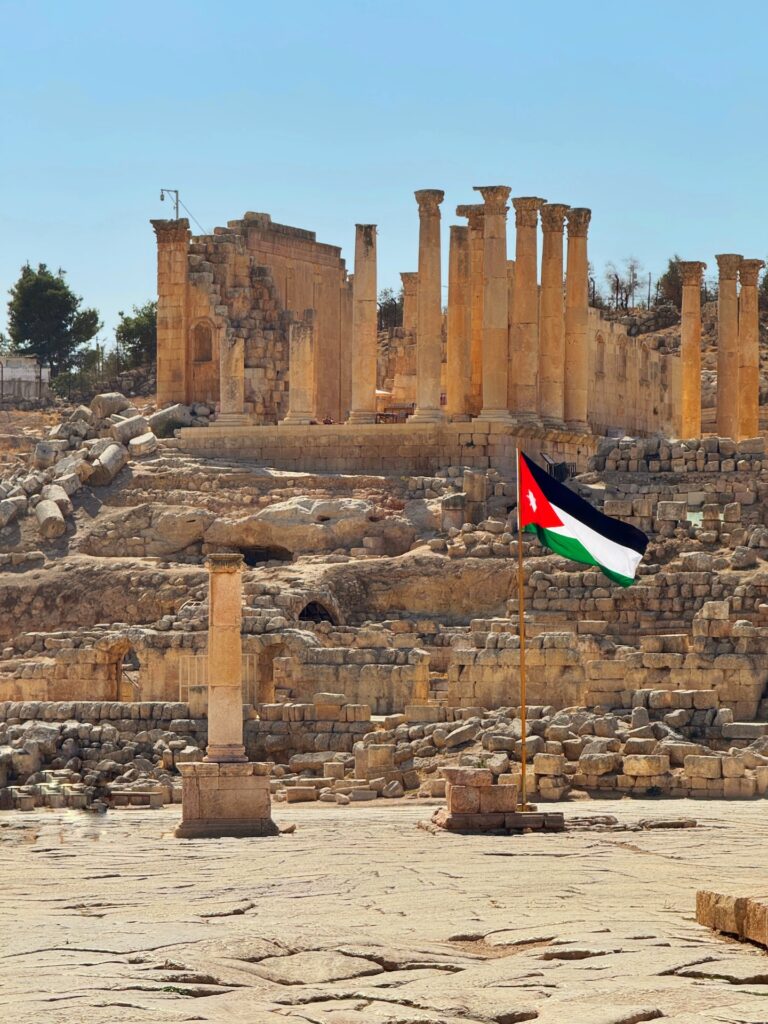
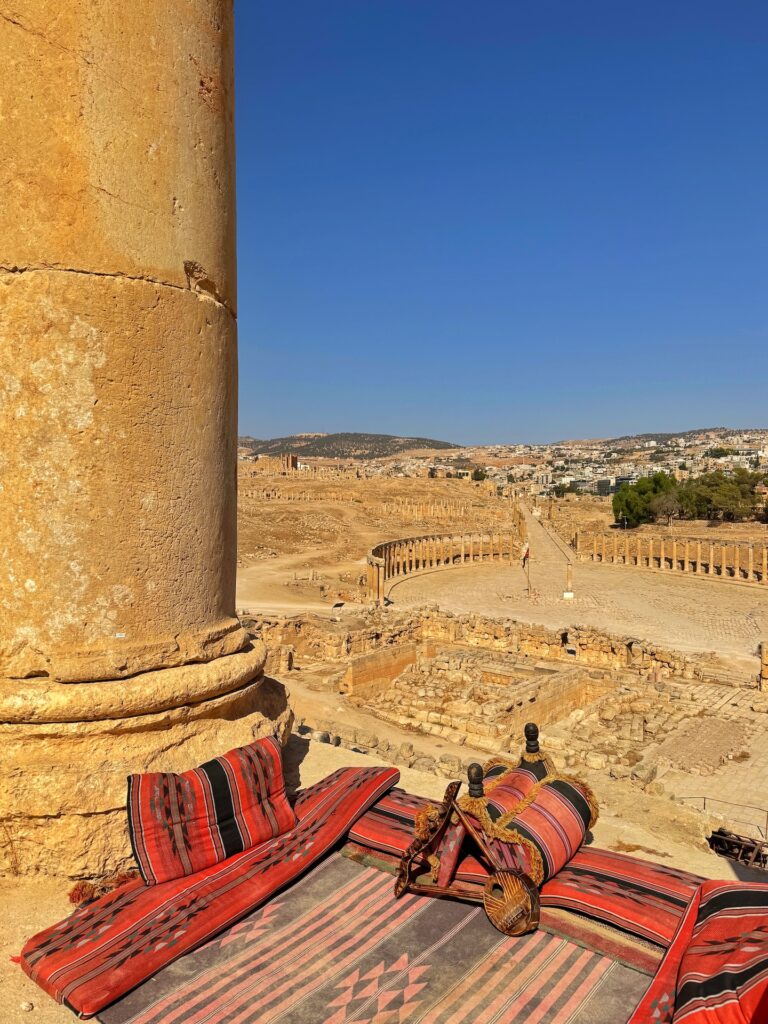
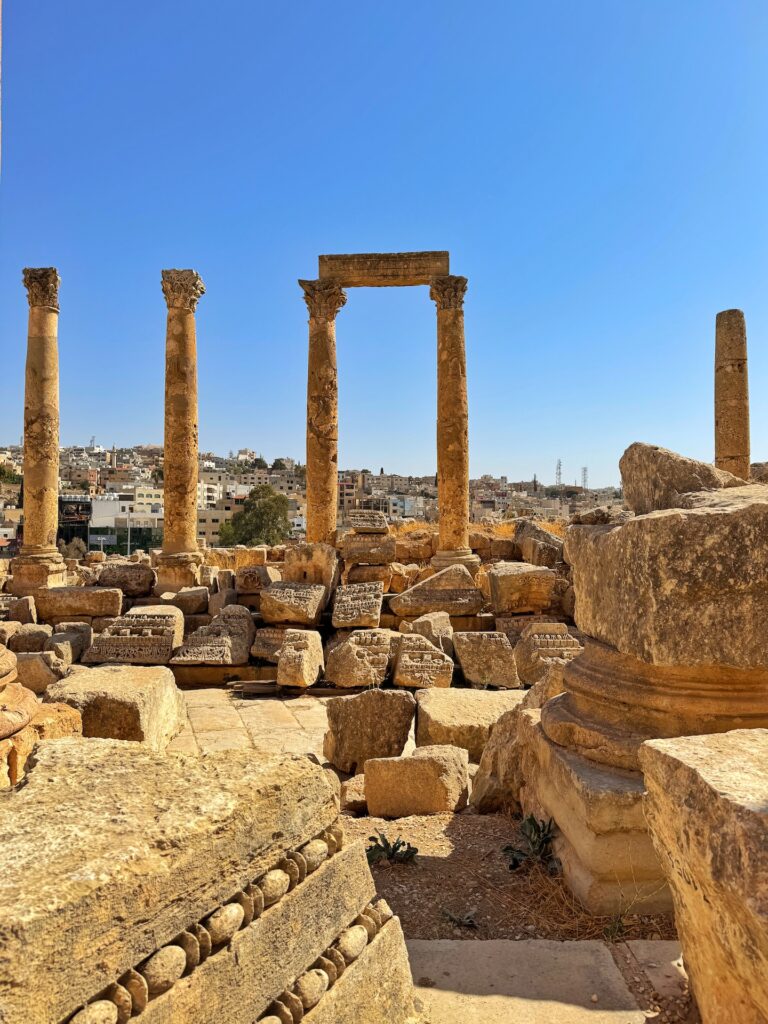
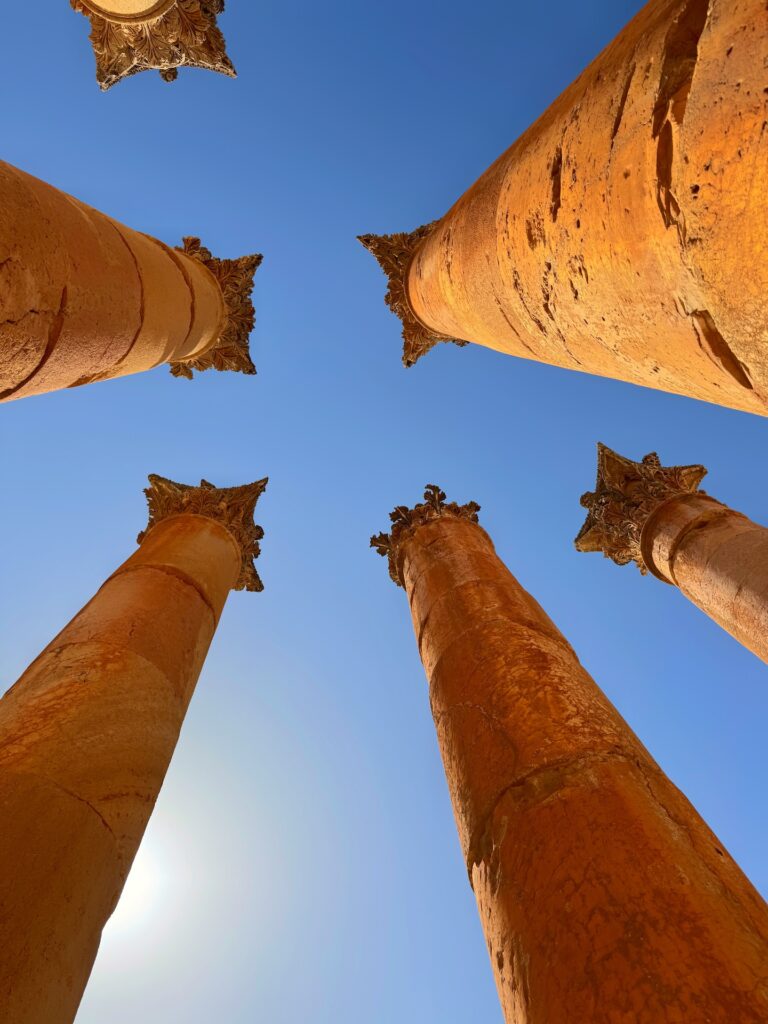
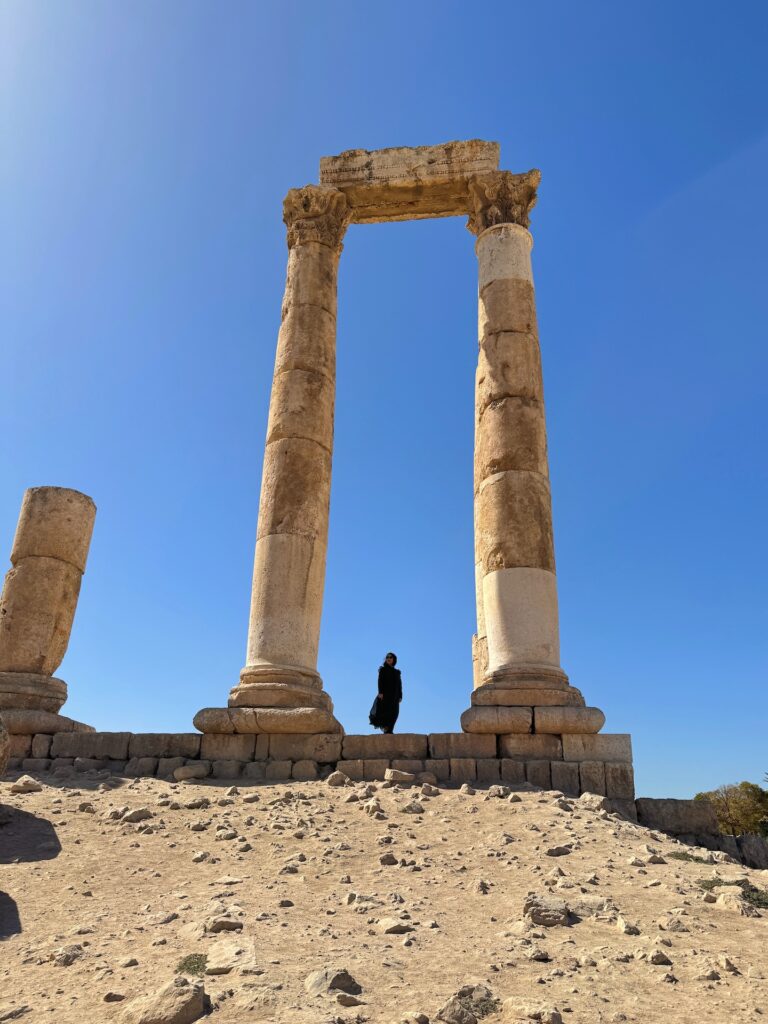
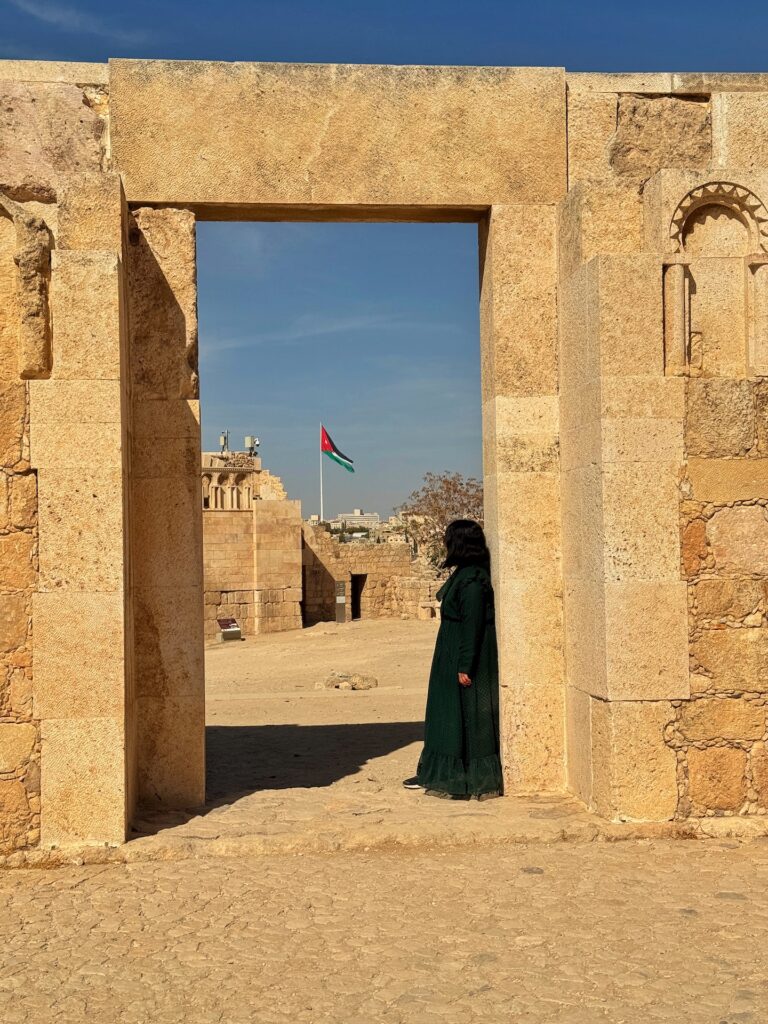
On one of Amman’s highest hills sits the Citadel, layered with centuries of history. The Temple of Hercules, the Umayyad Palace, and Roman fortifications dominate the site. From here, the capital stretches out in all directions, echoing the city’s past and present.
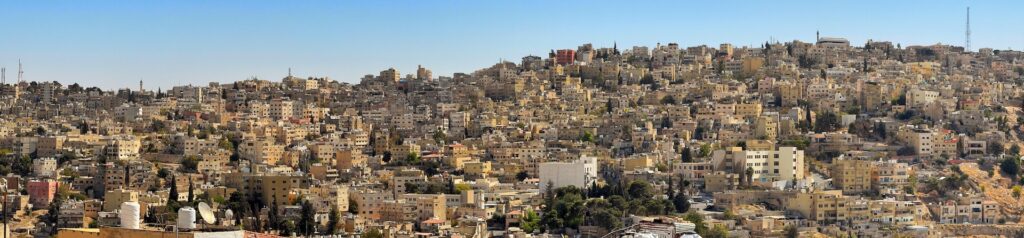
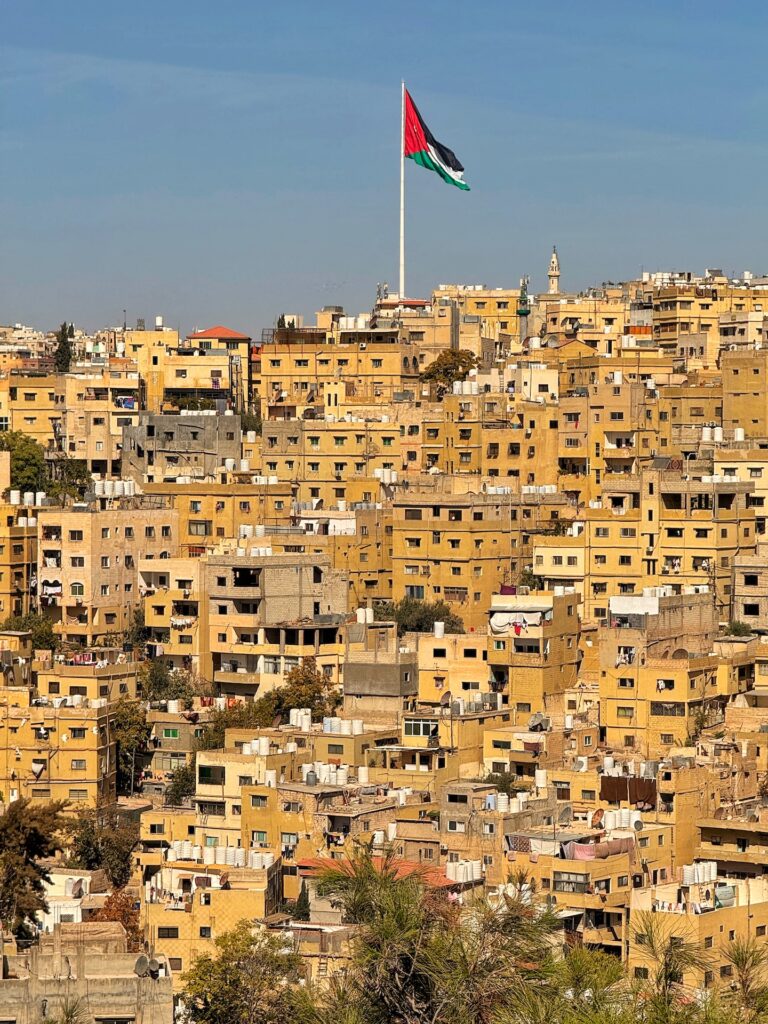
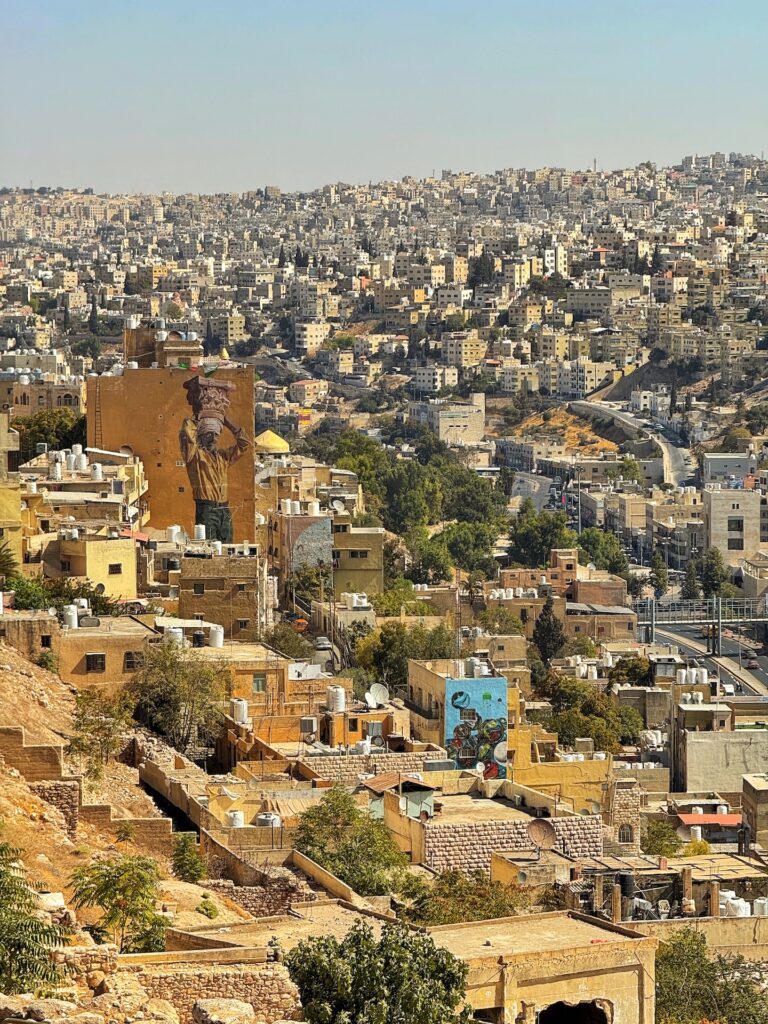
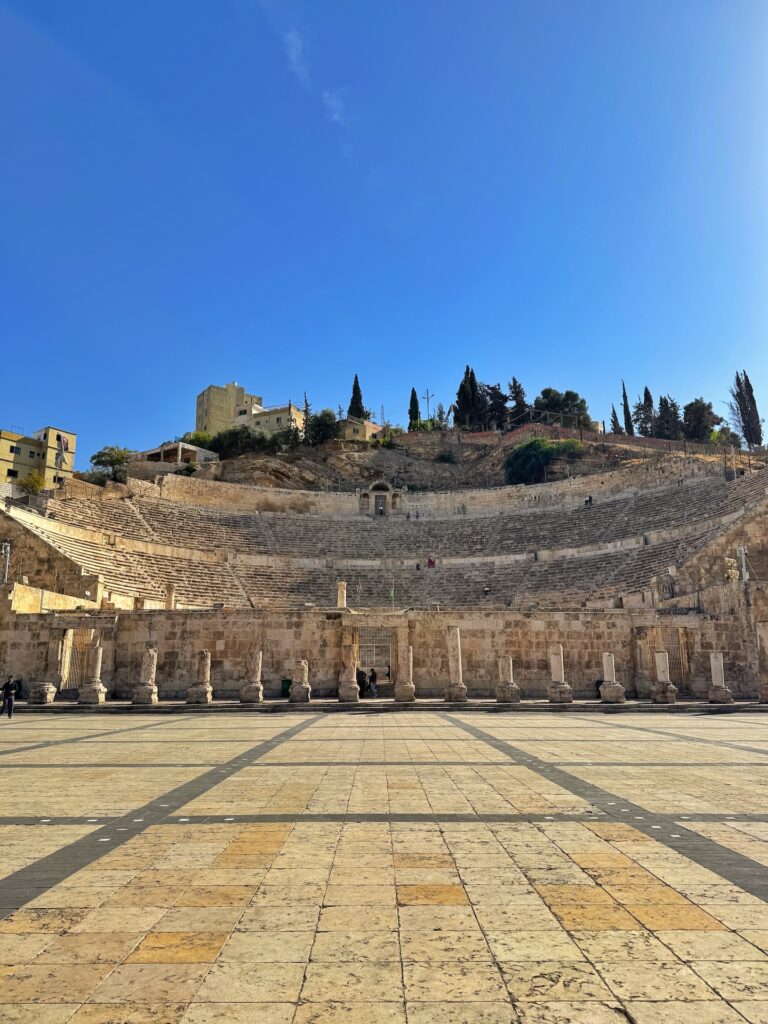
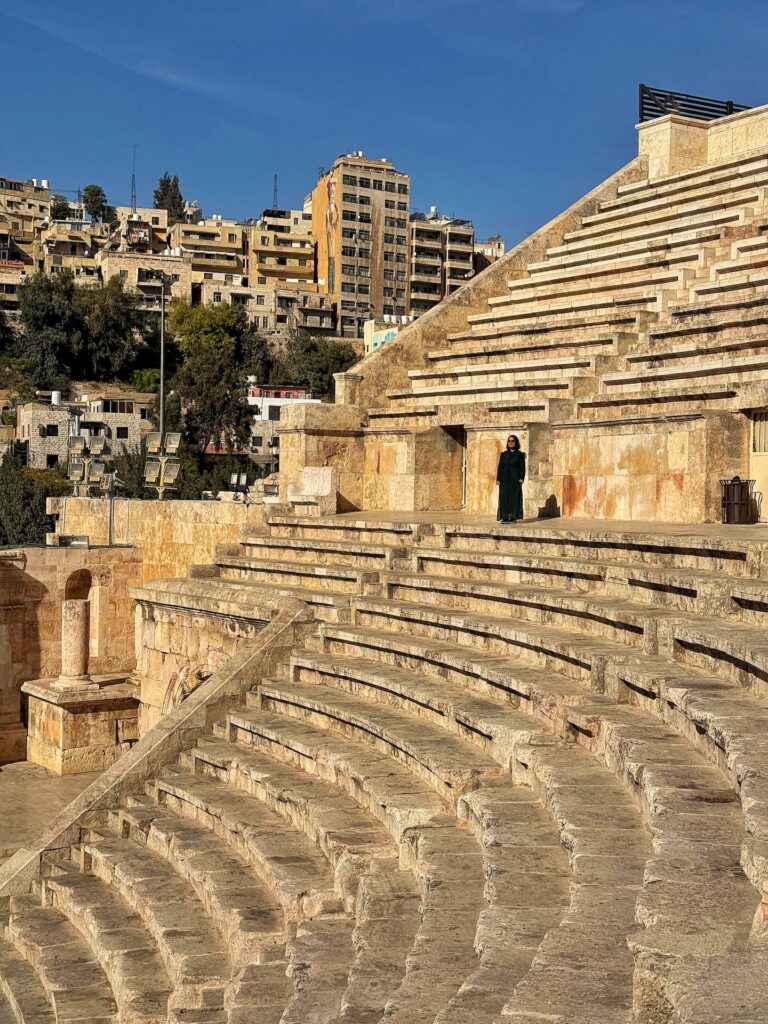
Carved into a hillside in the 2nd century, the Roman Theatre once seated 6,000 people. Its stone steps, still imposing, open to sweeping views of downtown Amman. The theatre remains a striking reminder of the city’s ancient roots.






Leave a Reply