
Roam the world, record the moments, relive the memories!


Berlin is a city where history and modern life come together in a powerful way. Around every corner, you’ll find important landmarks, moving memorials, grand buildings, and lively public squares. From standing beneath the famous Brandenburg Gate to seeing the colourful murals at the East Side Gallery, Berlin offers something for every type of traveller. Whether you’re interested in history, art, architecture, or simply exploring a vibrant European capital, these are the top things to see and do in Berlin.
Brandenburg Gate
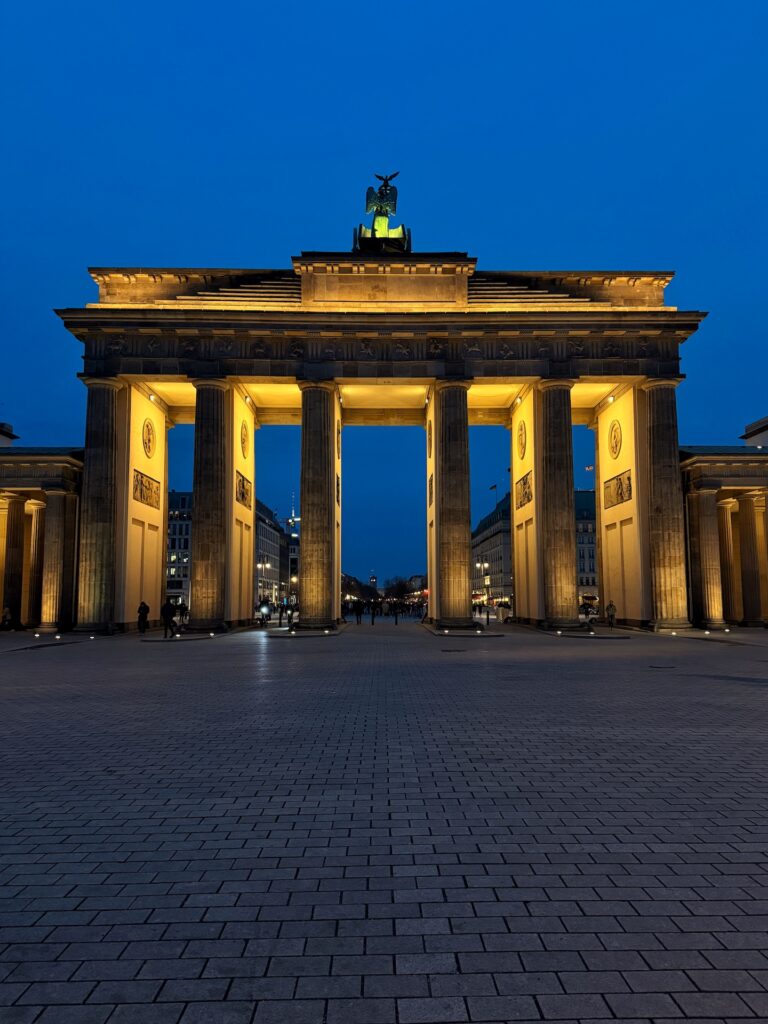
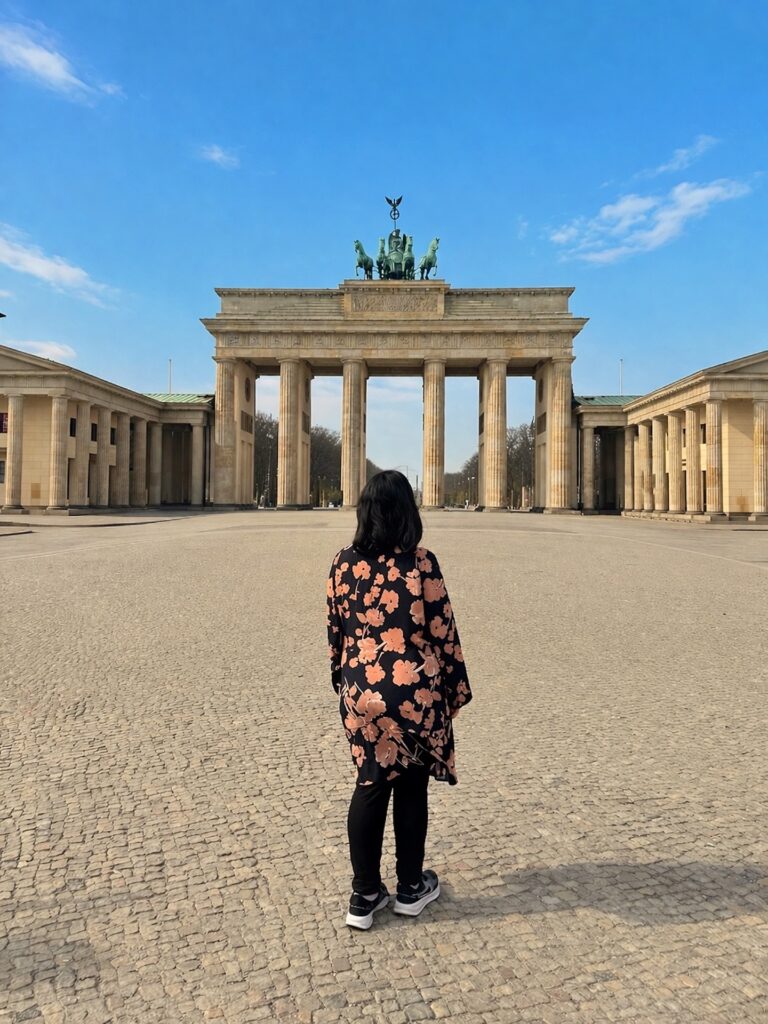
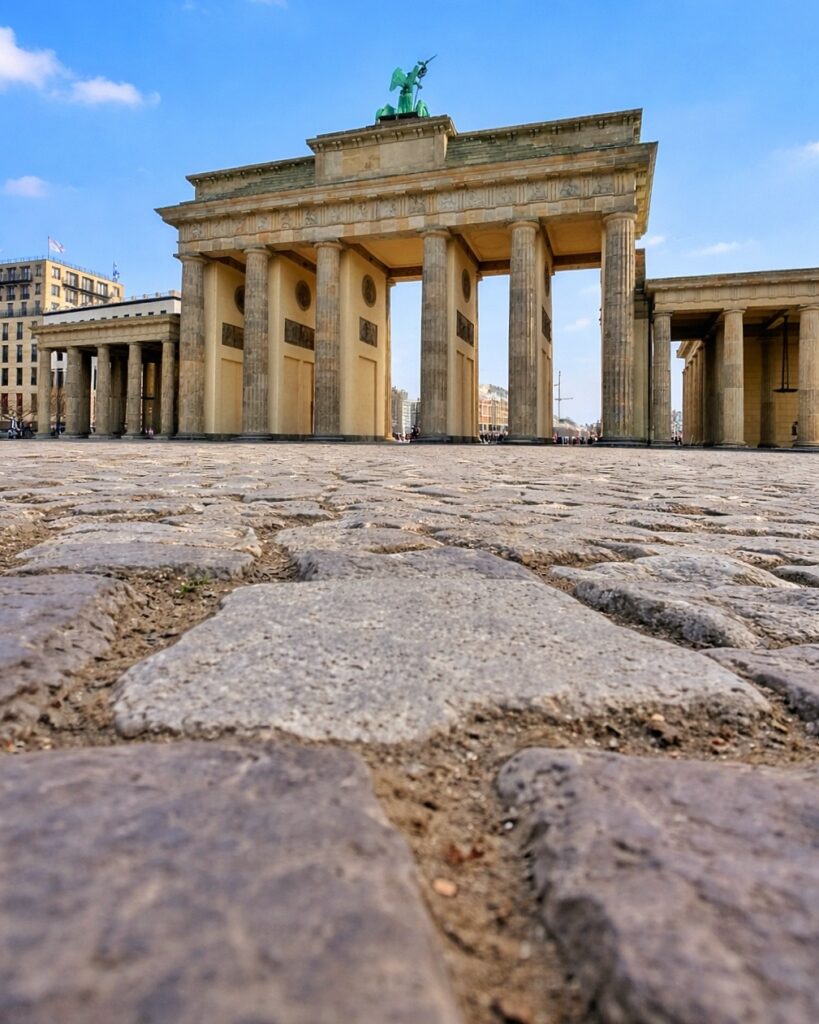
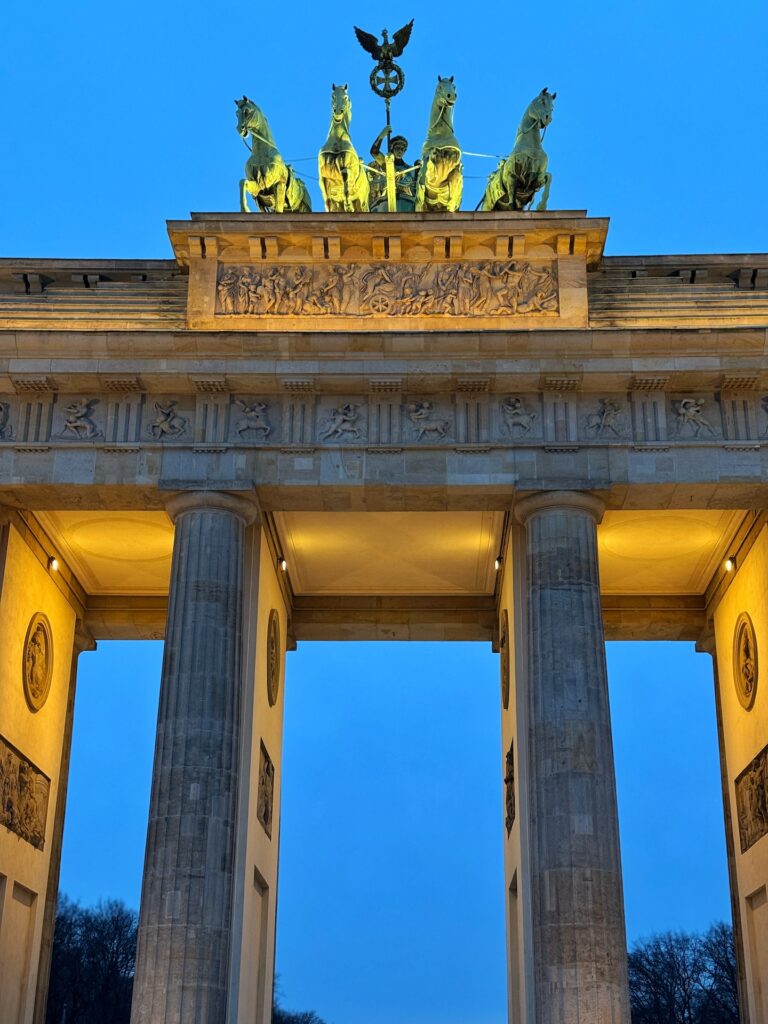
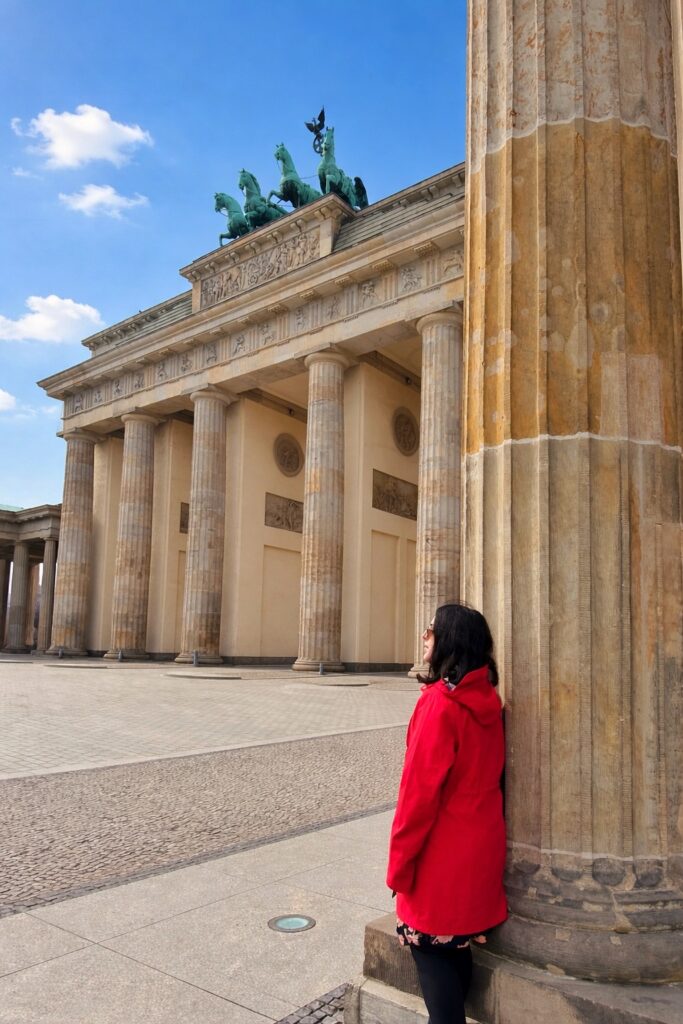
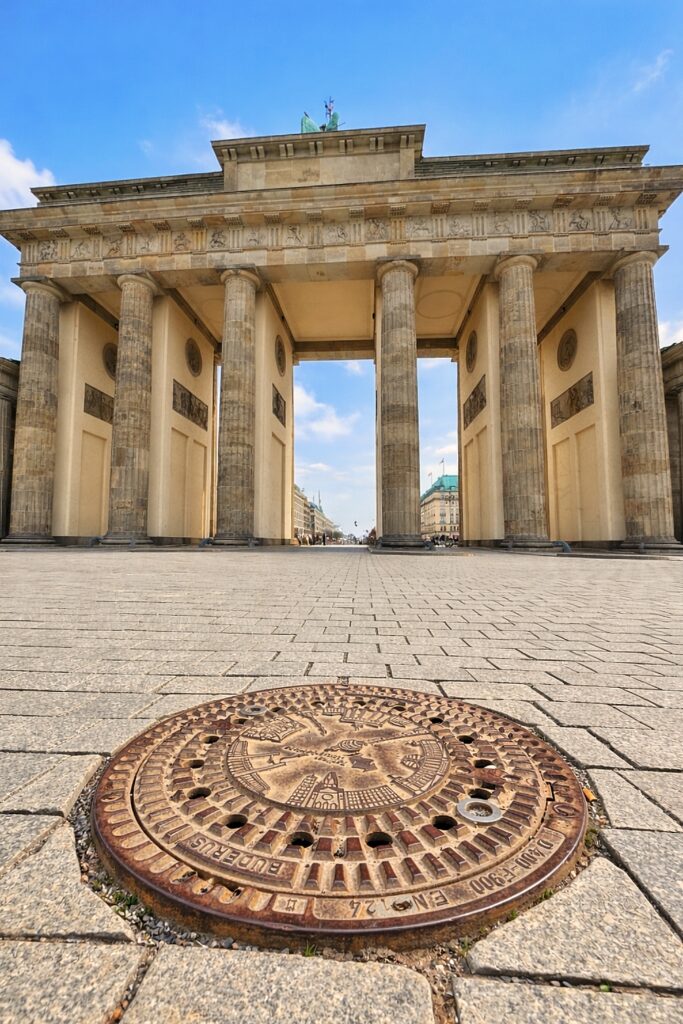
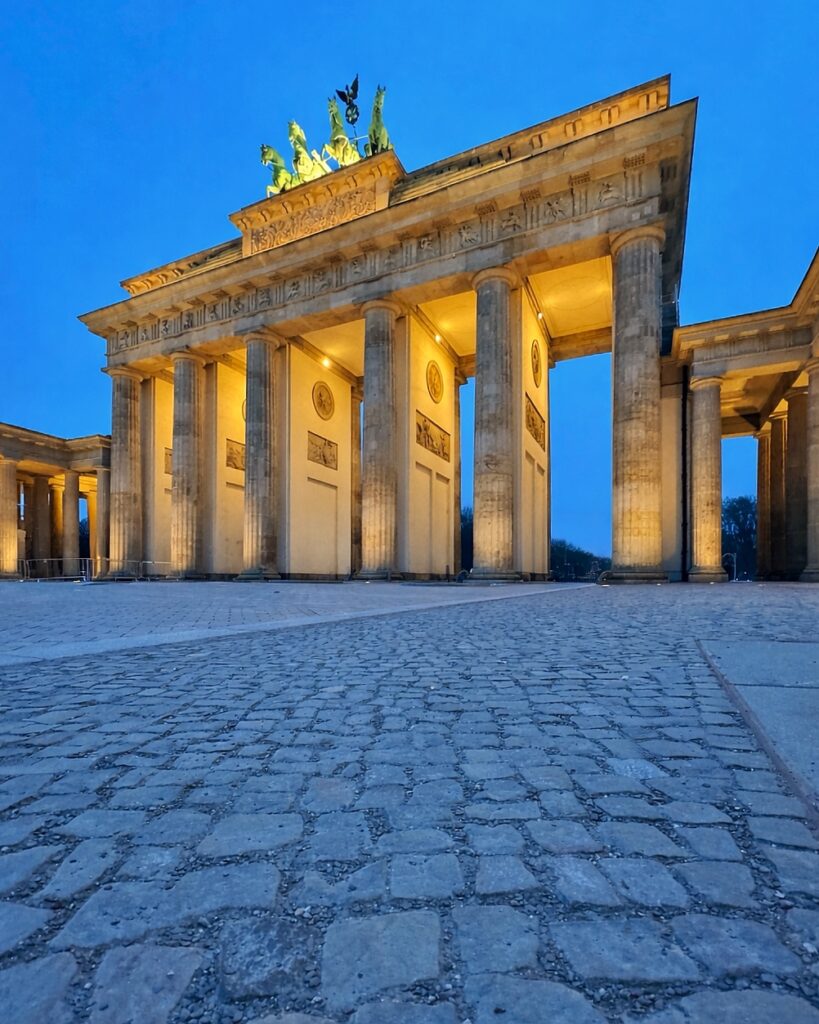
Standing tall at the end of Unter den Linden, the Brandenburg Gate is more than just Berlin’s most recognisable landmark, it’s a powerful witness to history. Built in the 18th century as a symbol of peace, it later stood trapped between East and West during the Cold War, inaccessible and isolated in the shadow of the Wall. Today, as crowds gather beneath its neoclassical columns and the Quadriga statue glows at sunset, it represents unity, resilience, and the reunification of Germany.
Holocaust Memorial
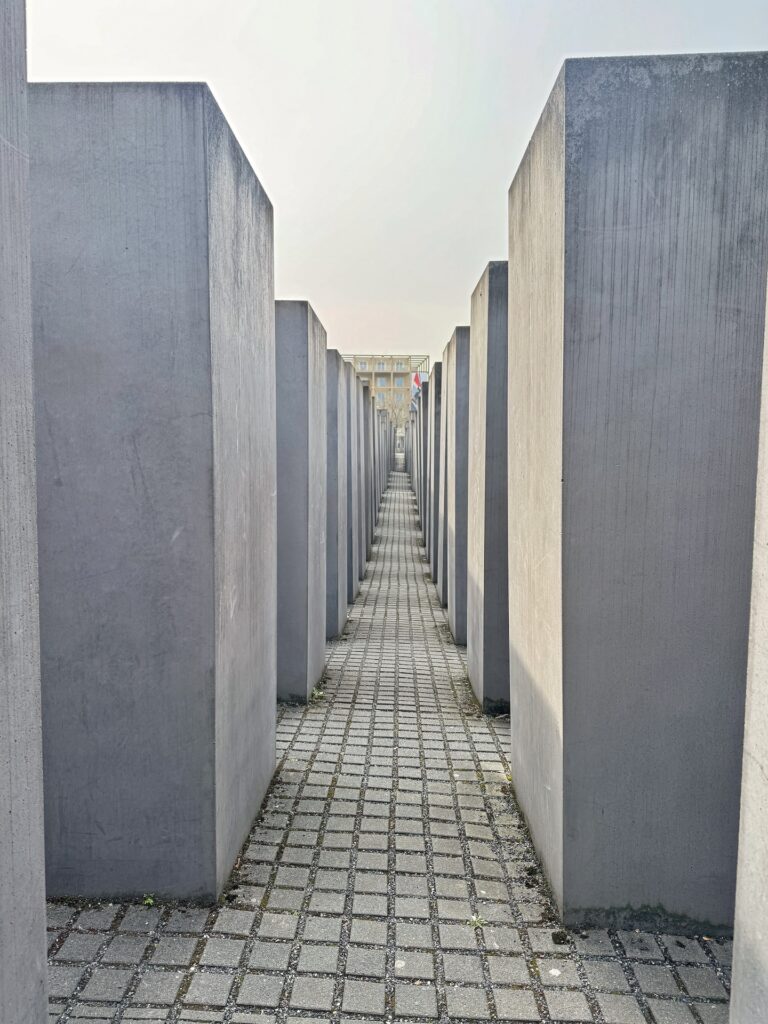
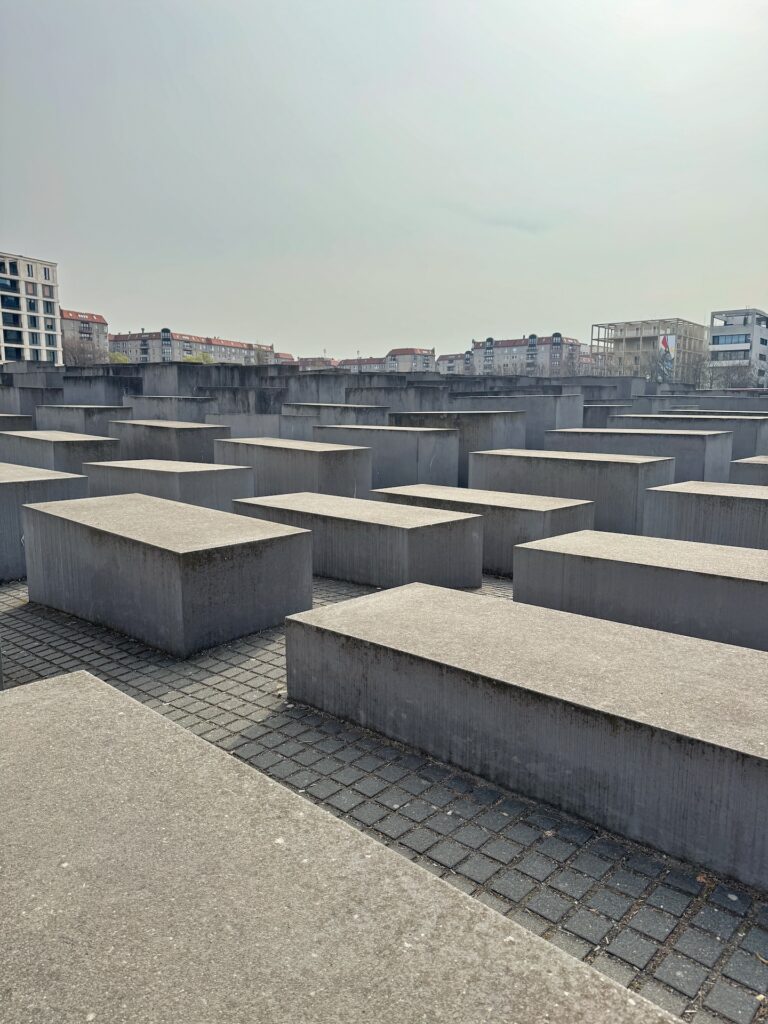
The Holocaust Memorial is a vast field of 2,711 concrete slabs that stretches across a full city block near the Brandenburg Gate. Walking through the uneven ground and towering grey pillars is intentionally disorienting – a powerful architectural experience designed to evoke reflection.
Berlin Wall Memorial
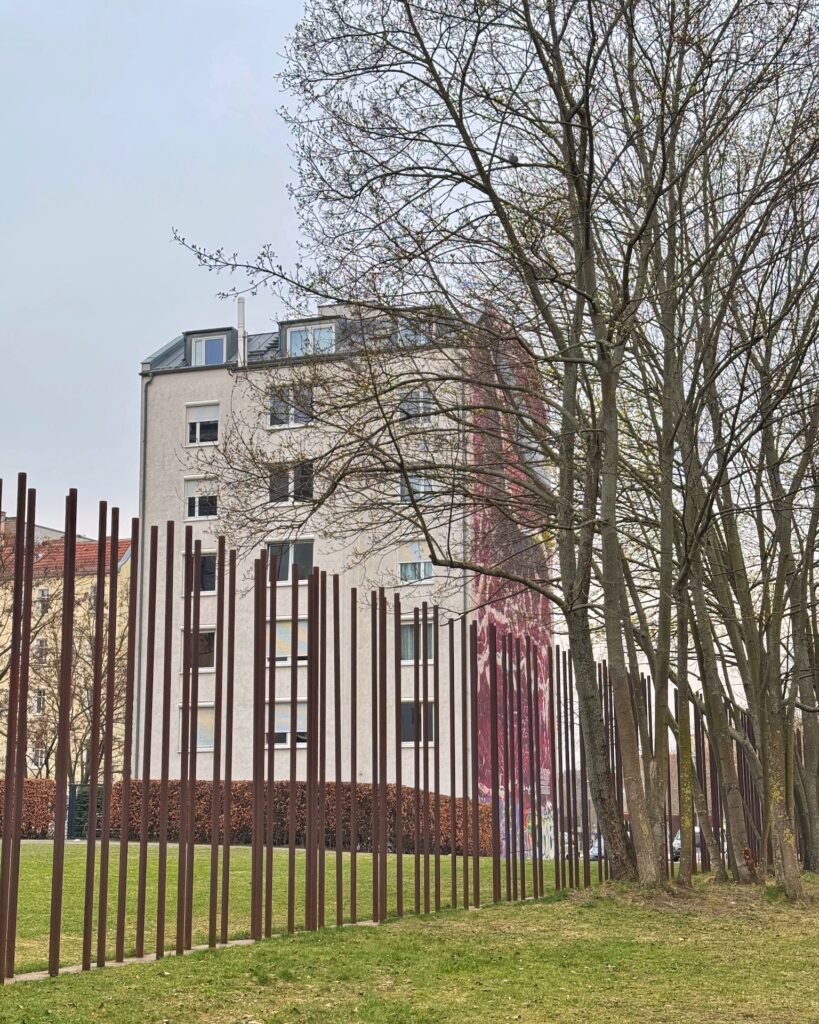
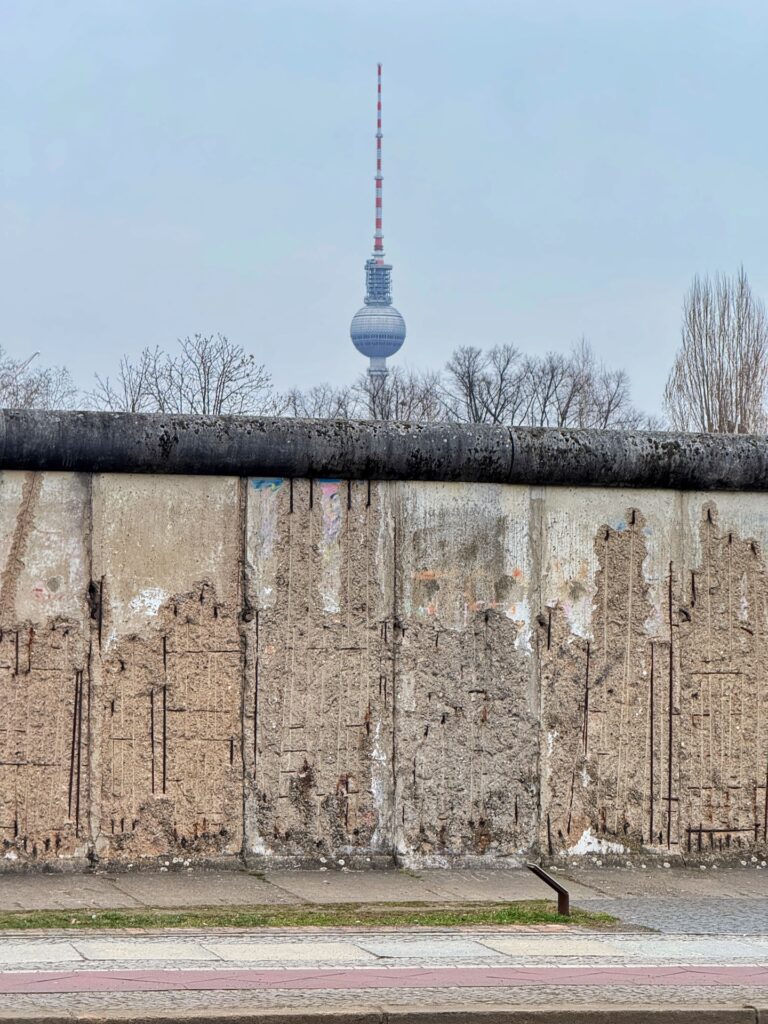
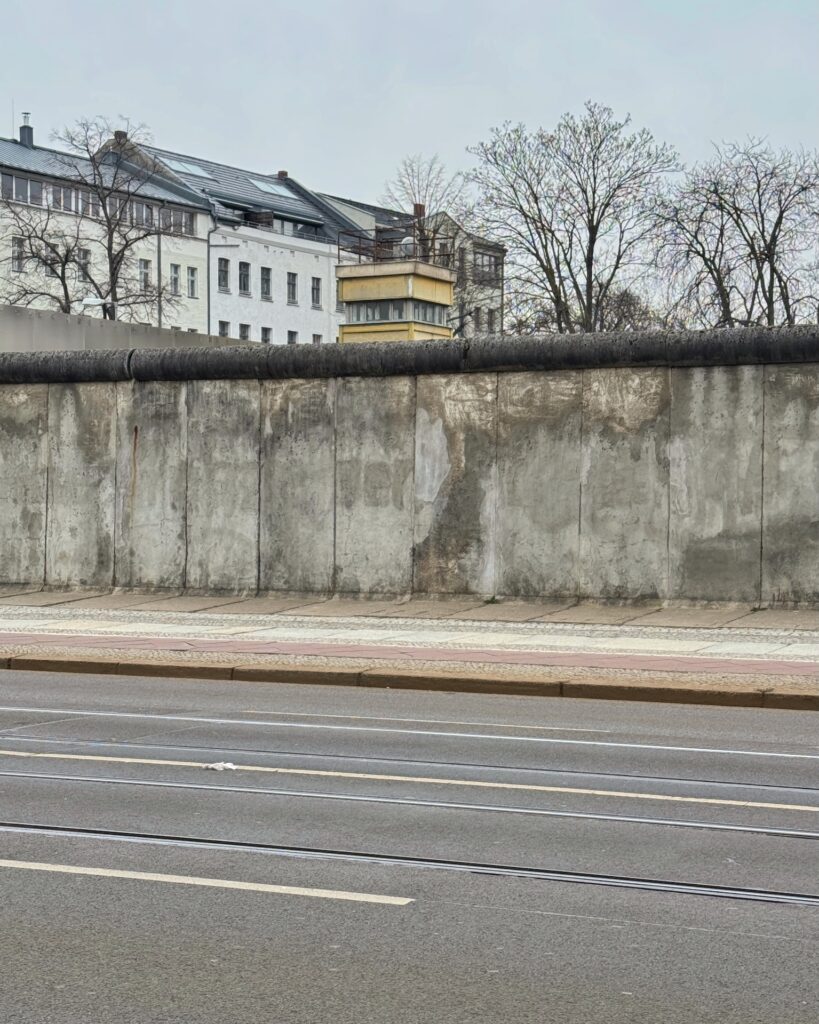
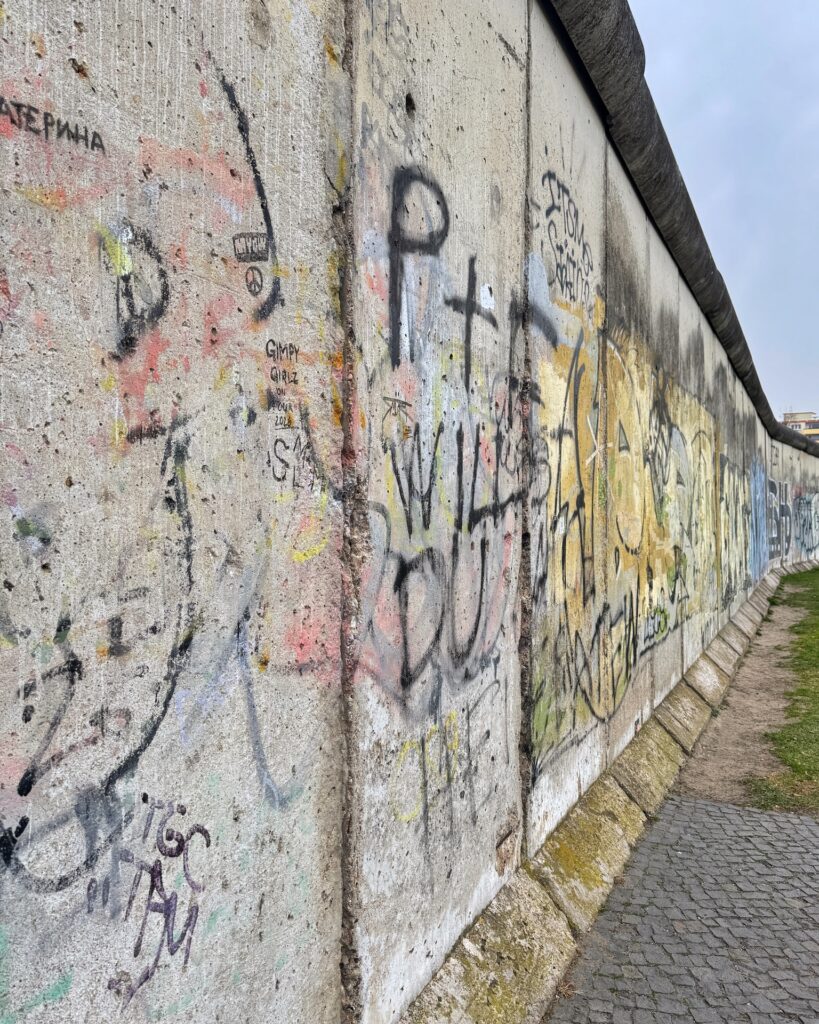
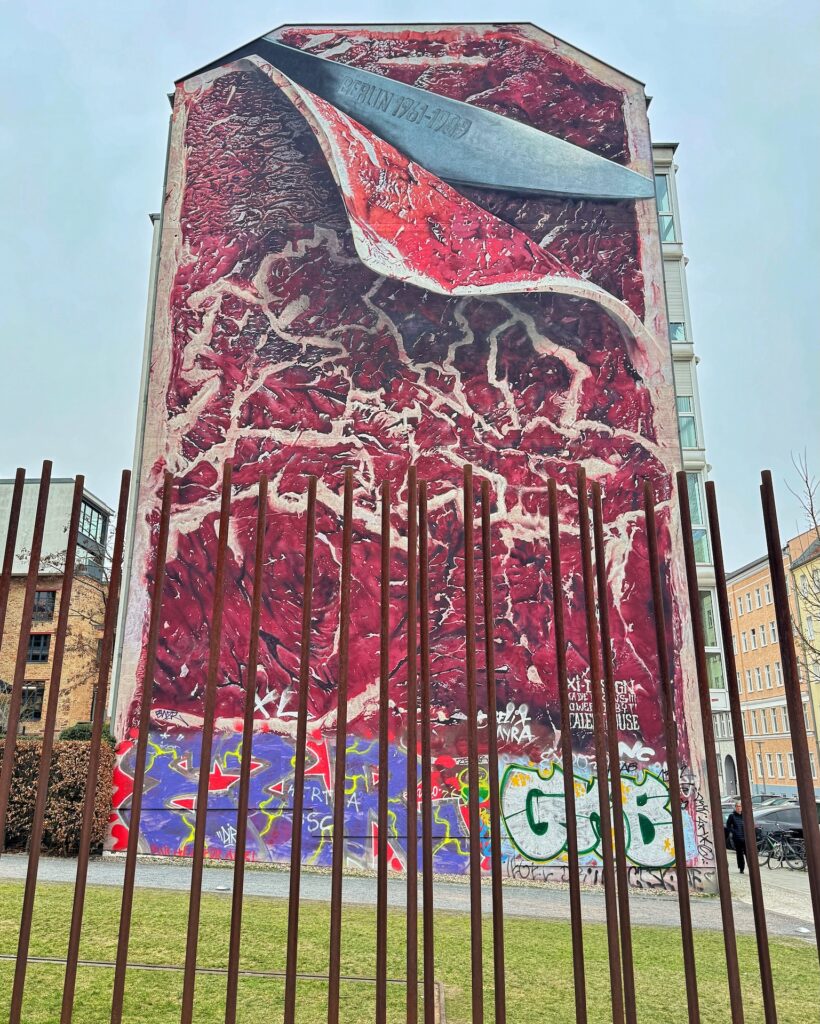
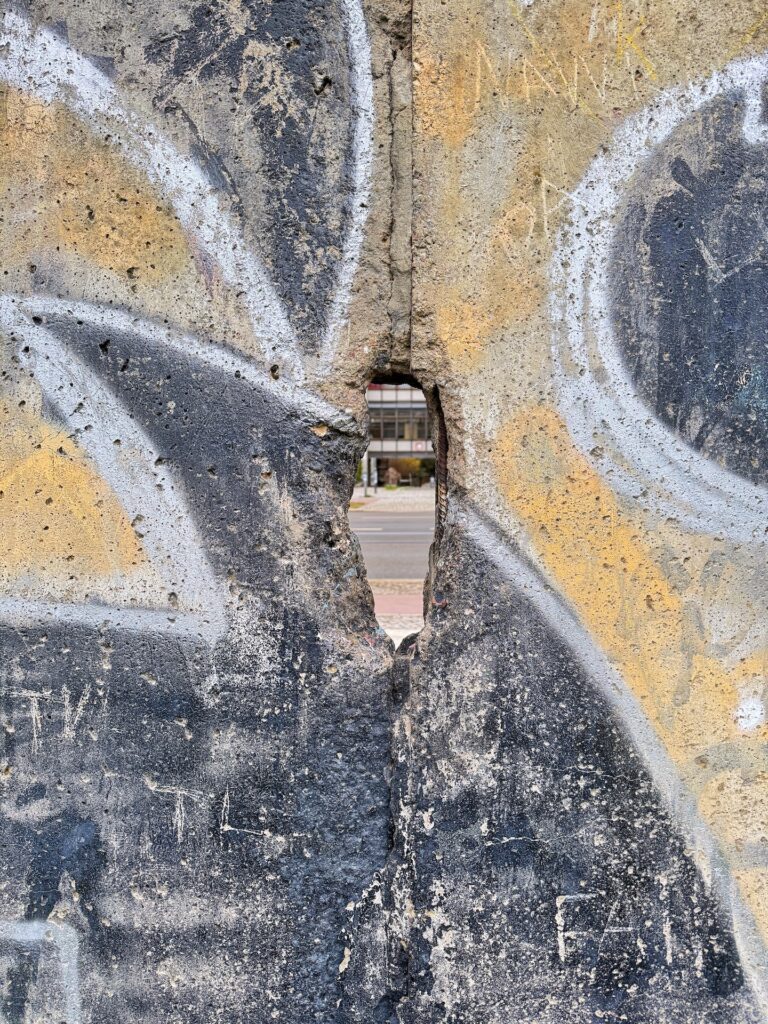
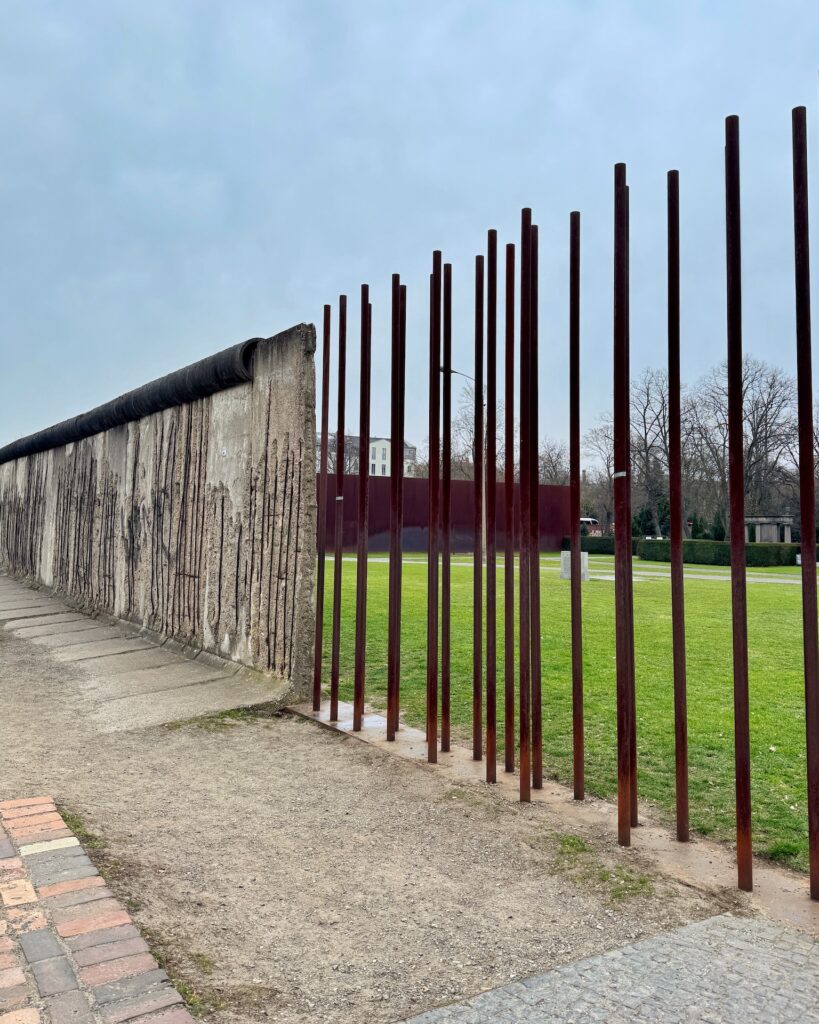
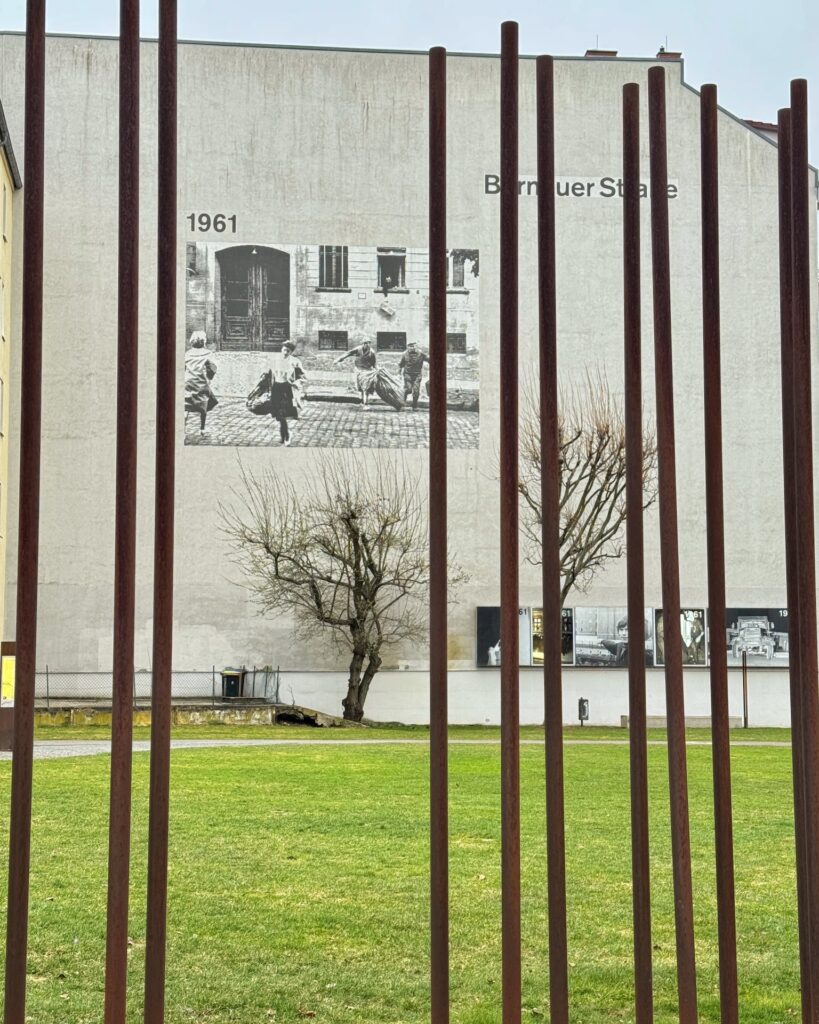
Located along Bernauer Strasse, the Berlin Wall Memorial preserves one of the last remaining sections of the original border fortifications. Here, you can see the “death strip,” guard towers, and preserved segments of the Wall, offering a stark, physical reminder of the division that once cut through the city. The open-air exhibition and documentation centre tell the stories of escape attempts, loss, and the courage of those who lived through Berlin’s divided decades.
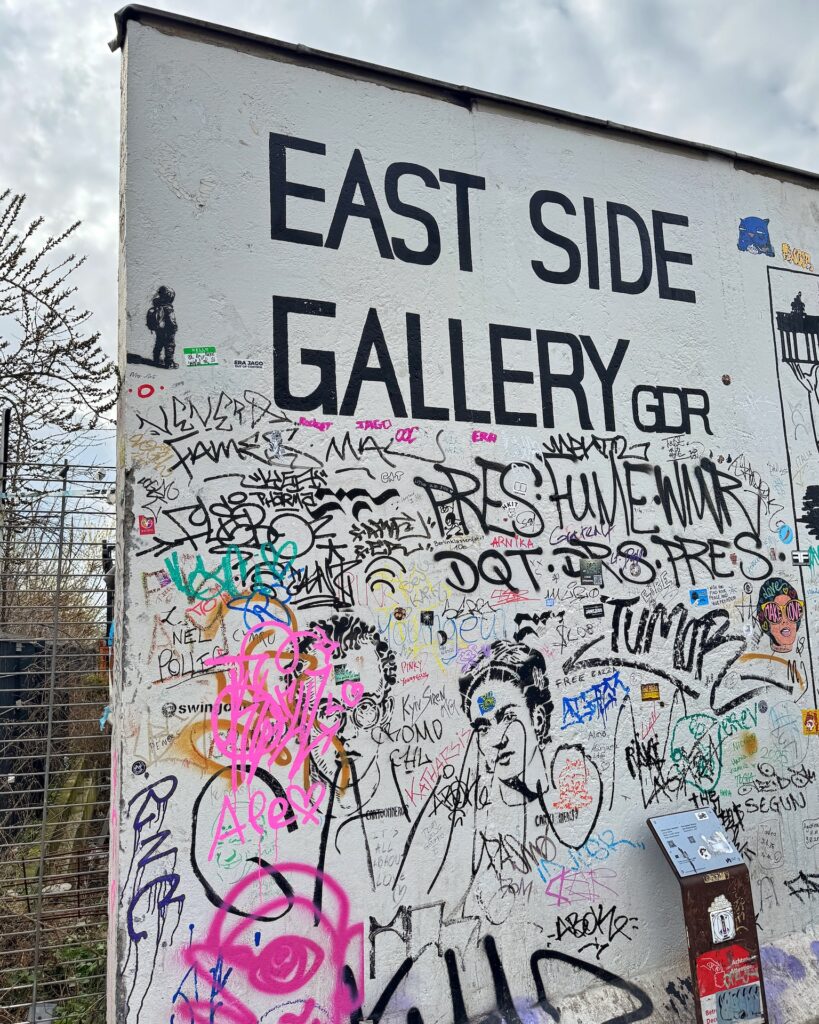
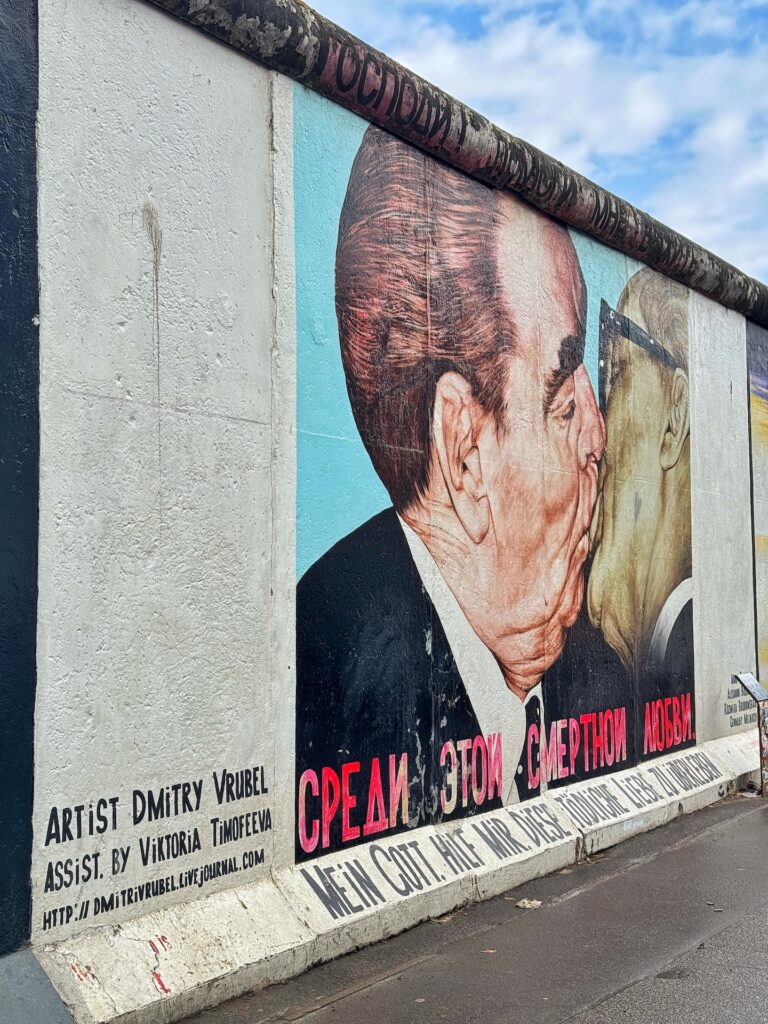
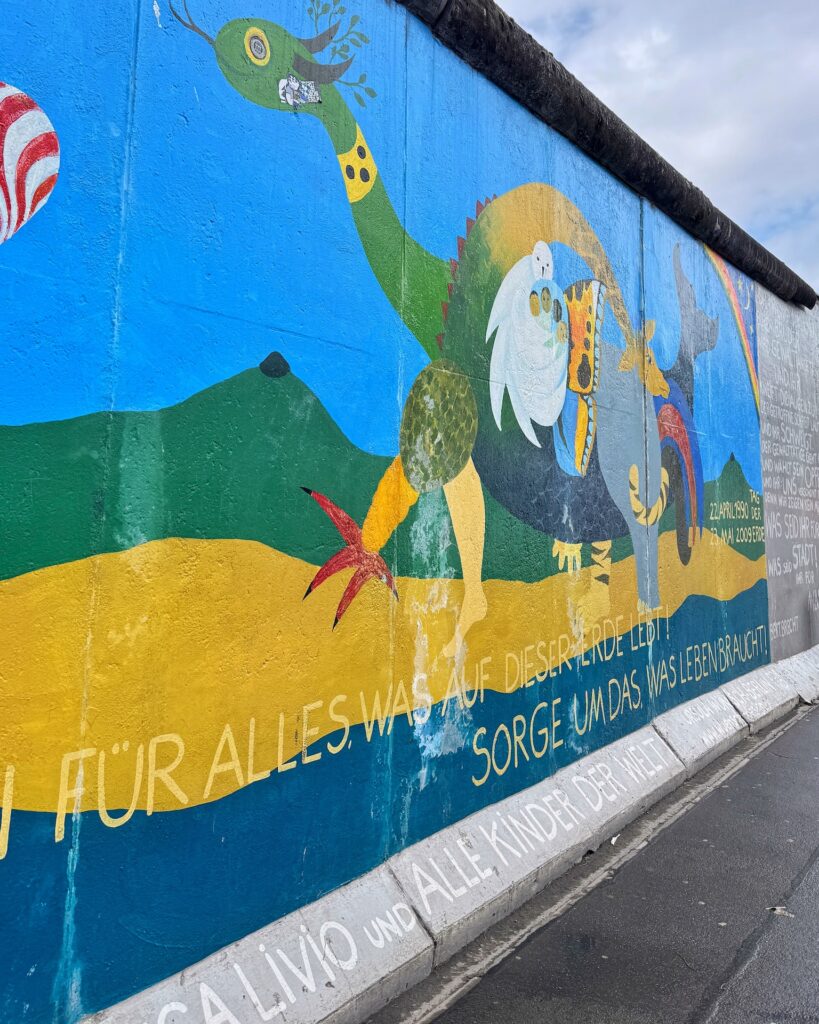
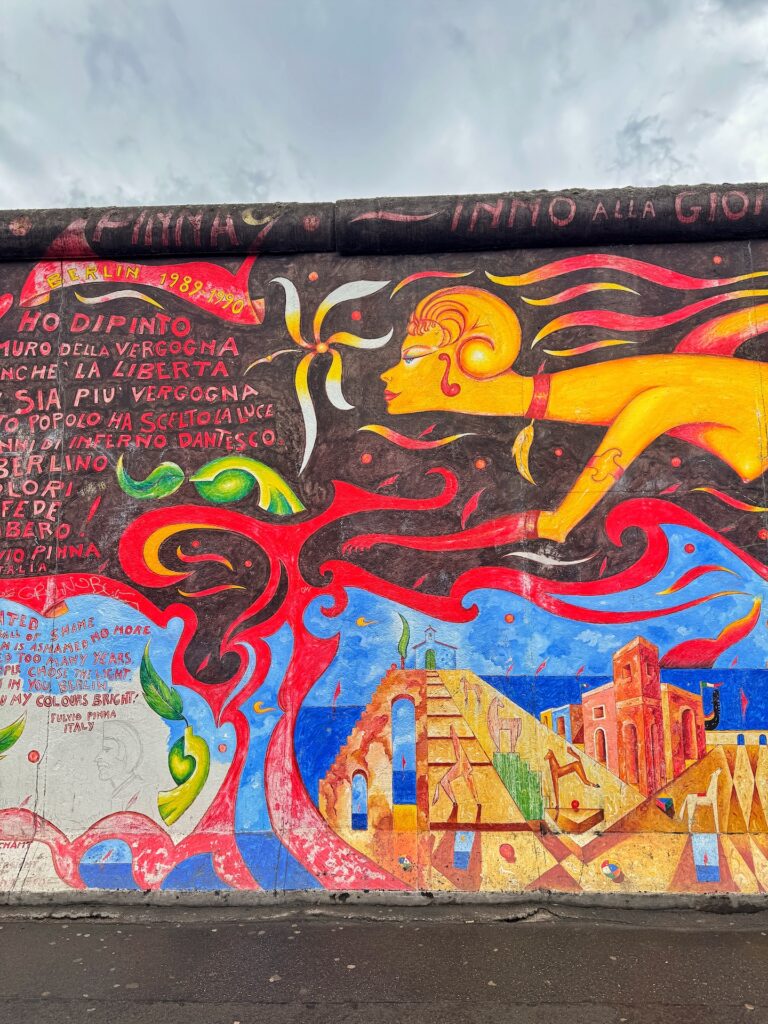
East Side Gallery
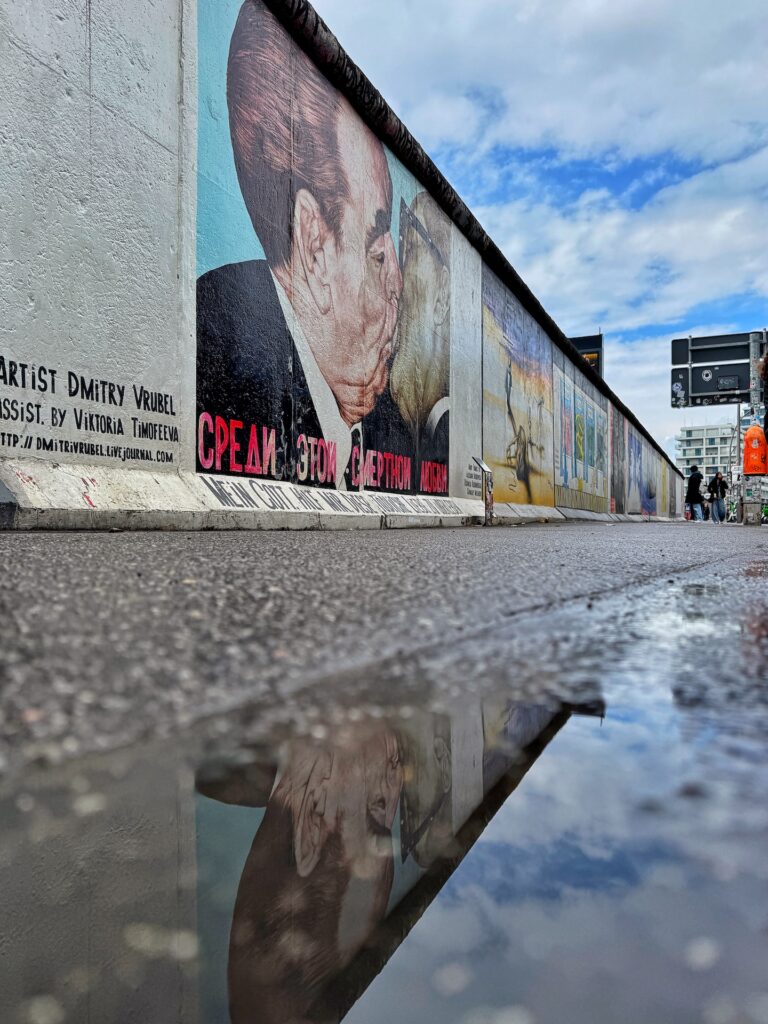
Stretching for 1.3km along the River Spree, the East Side Gallery is the longest remaining open-air section of the Berlin Wall, transformed into a vibrant canvas of over 100 murals by artists from around the world. Painted in 1990 after the Wall fell, the artwork captures themes of freedom, political change, and hope. It’s where Berlin’s turbulent past meets its creative, expressive present.
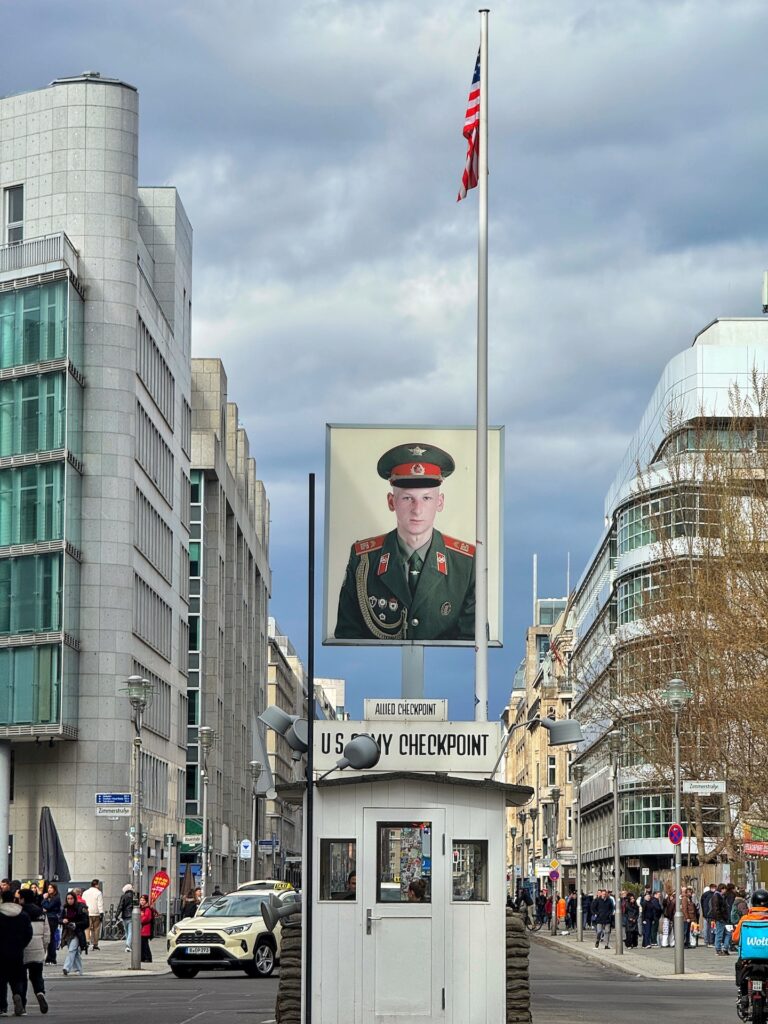
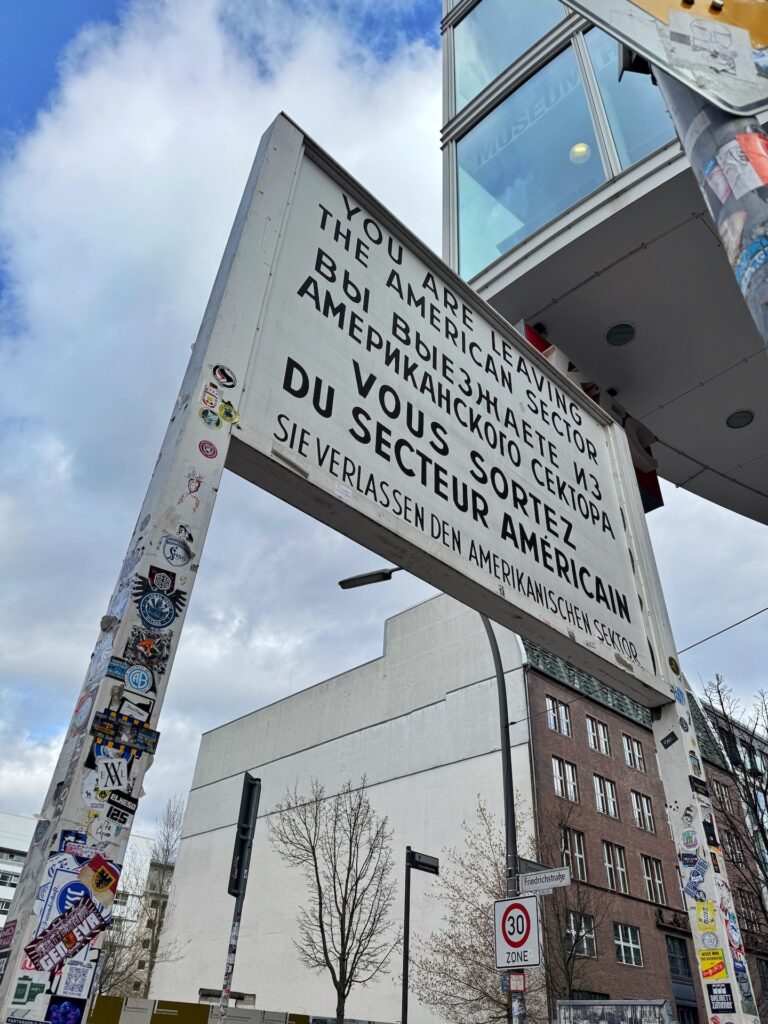
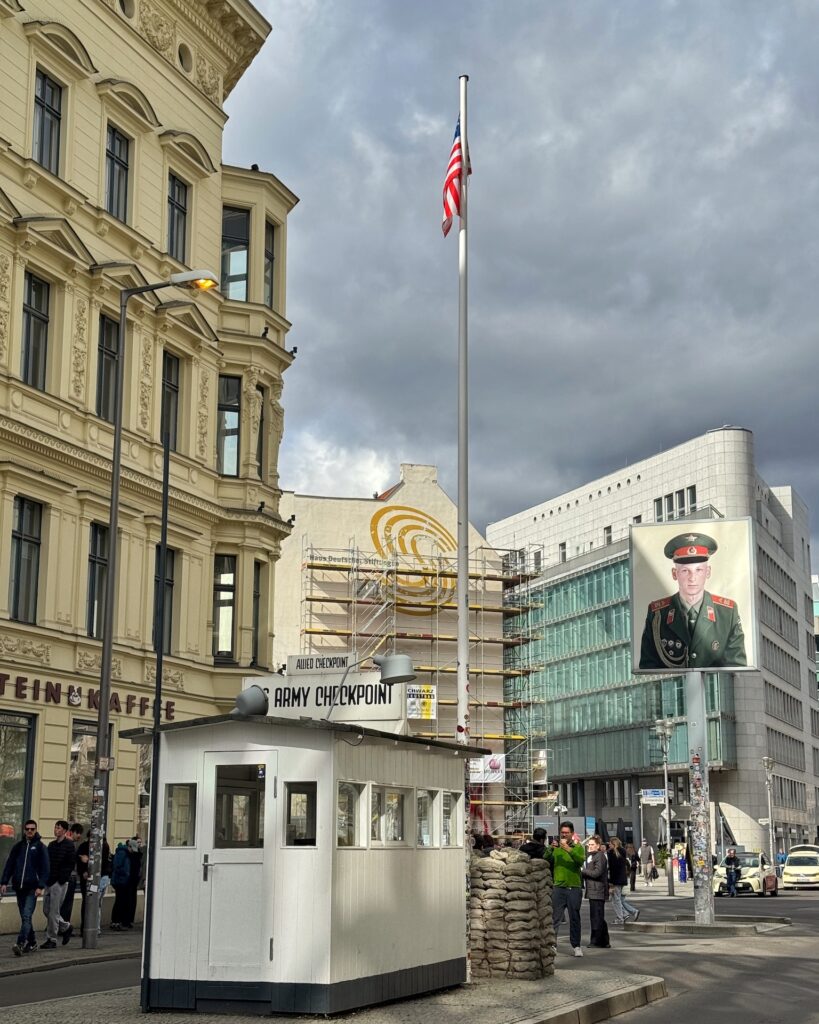
Checkpoint Charlie
Once the most famous border crossing between East and West Berlin, Checkpoint Charlie was a focal point of Cold War tensions. Today, a replica guardhouse stands where diplomats, soldiers, and foreigners once crossed between two opposing worlds. Nearby exhibits and displays recount dramatic escape attempts and the everyday realities of a city split in two.
Berlin Cathedral
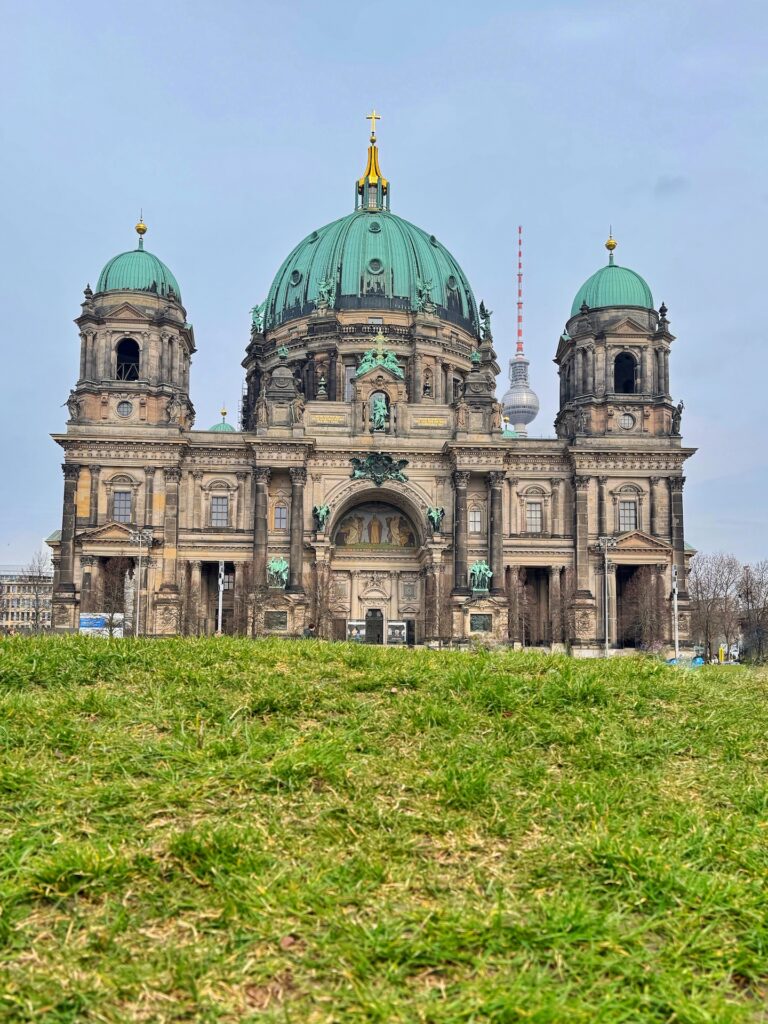
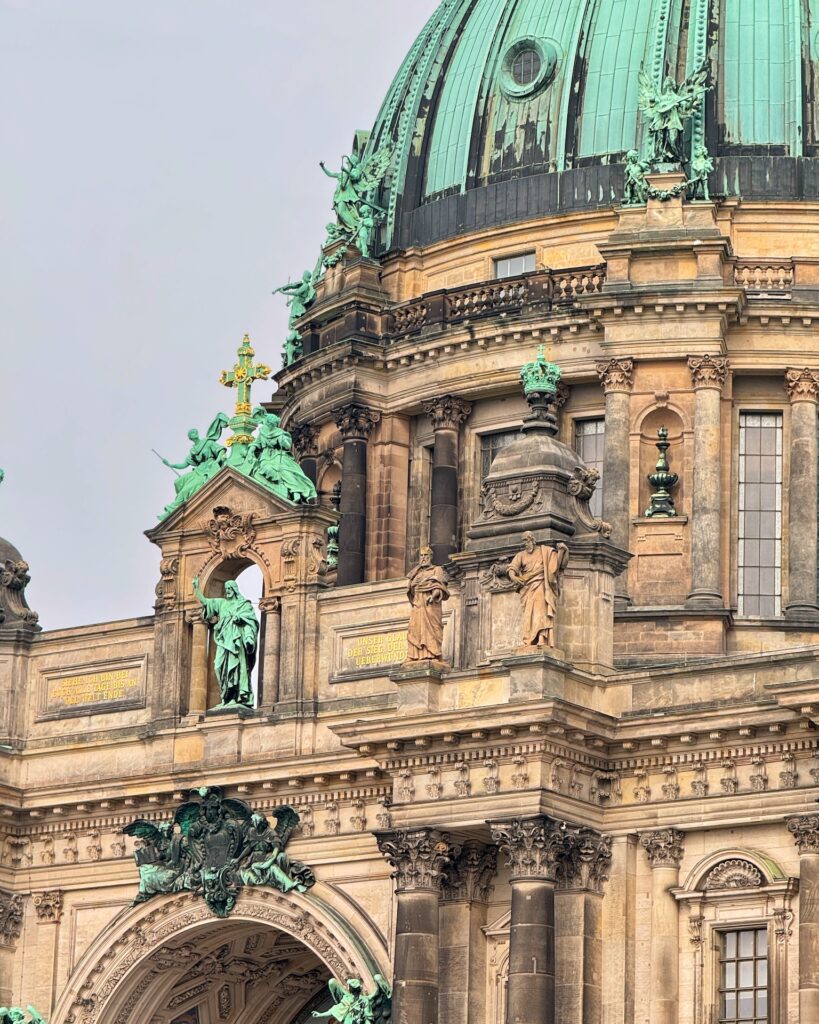
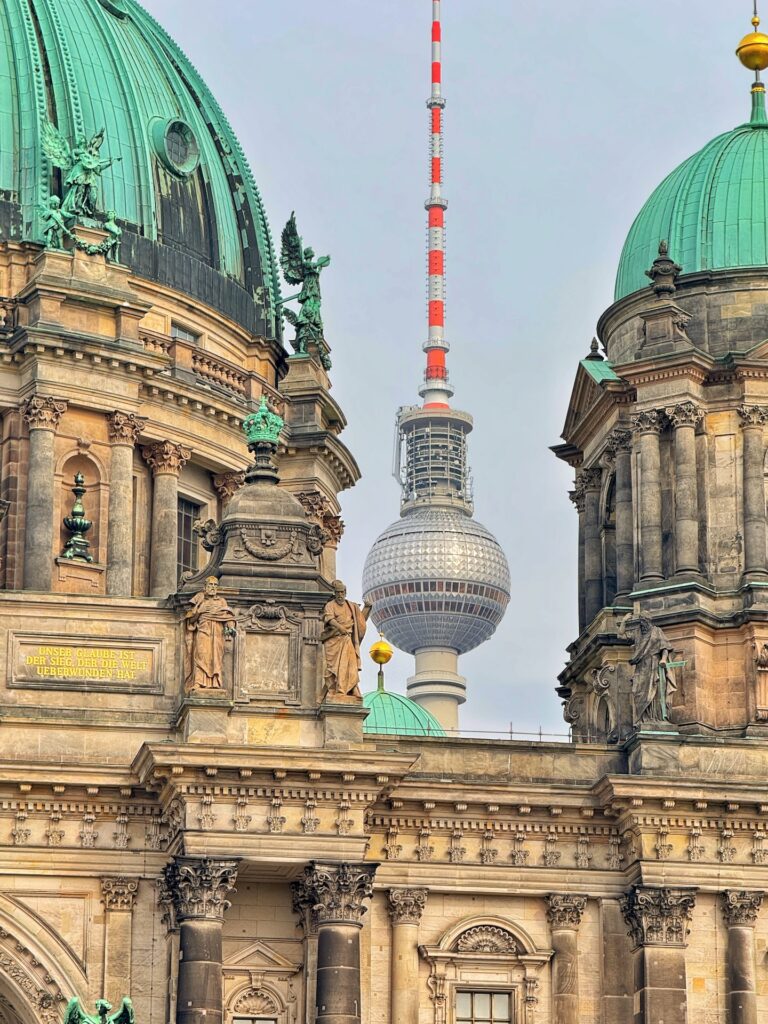
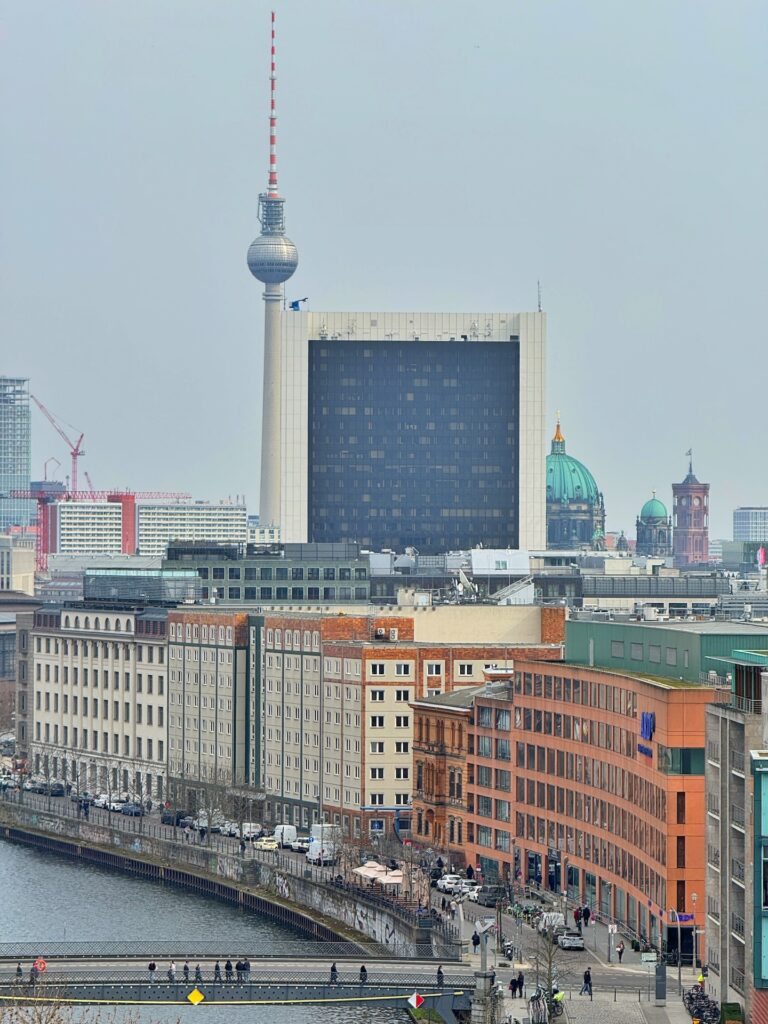
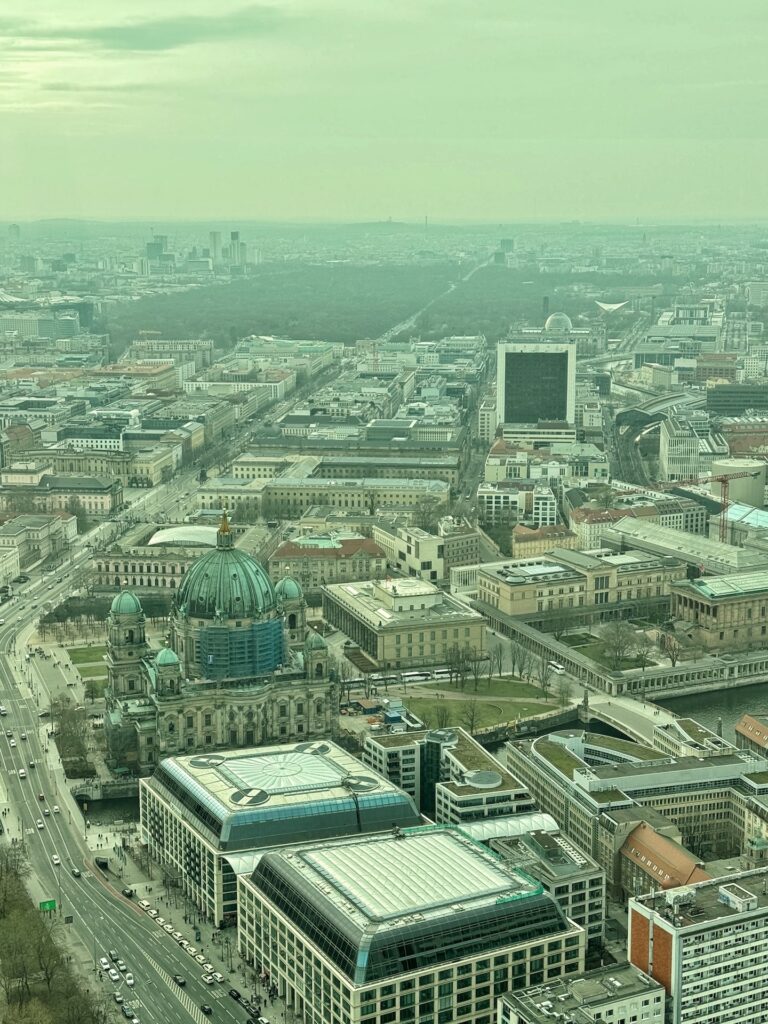
Dominating the skyline of Museum Island, Berlin Cathedral is a masterpiece of imperial grandeur. Its massive green dome, ornate interiors, and richly decorated altar reflect the ambitions of the Prussian monarchy. Inside, you’ll find royal crypts and breathtaking mosaics; outside, climbing the 270 steps to the dome rewards you with sweeping views over the River Spree, Museum Island, and the Fernsehturm rising in the distance.
Reichstag Dome rooftop
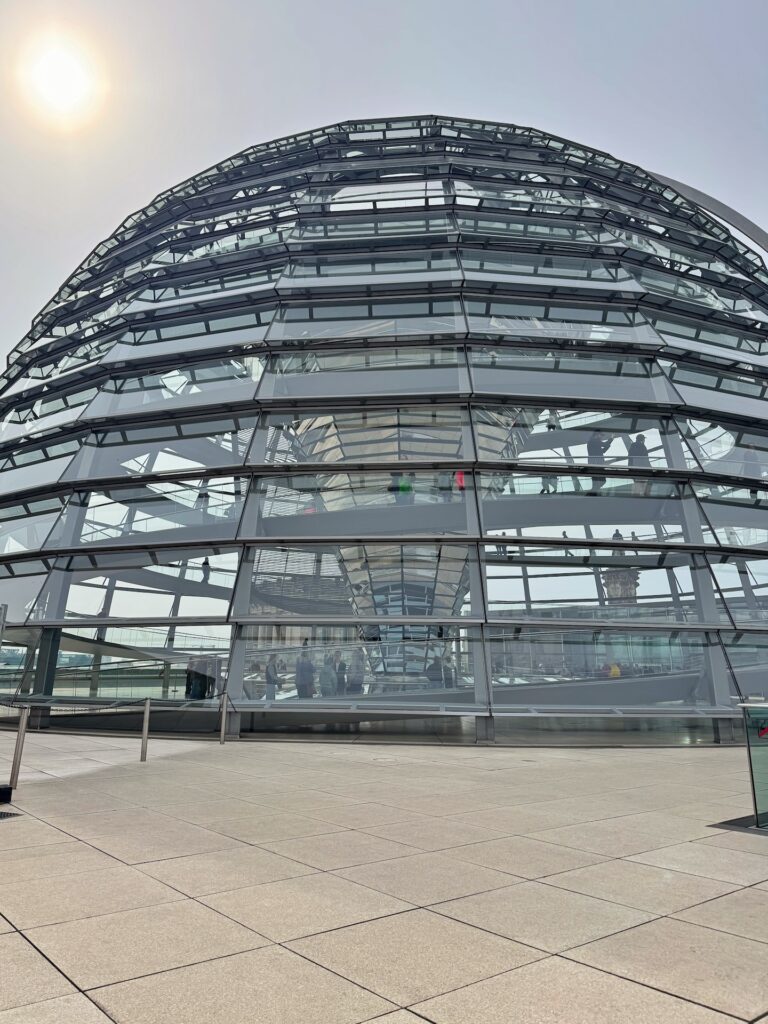
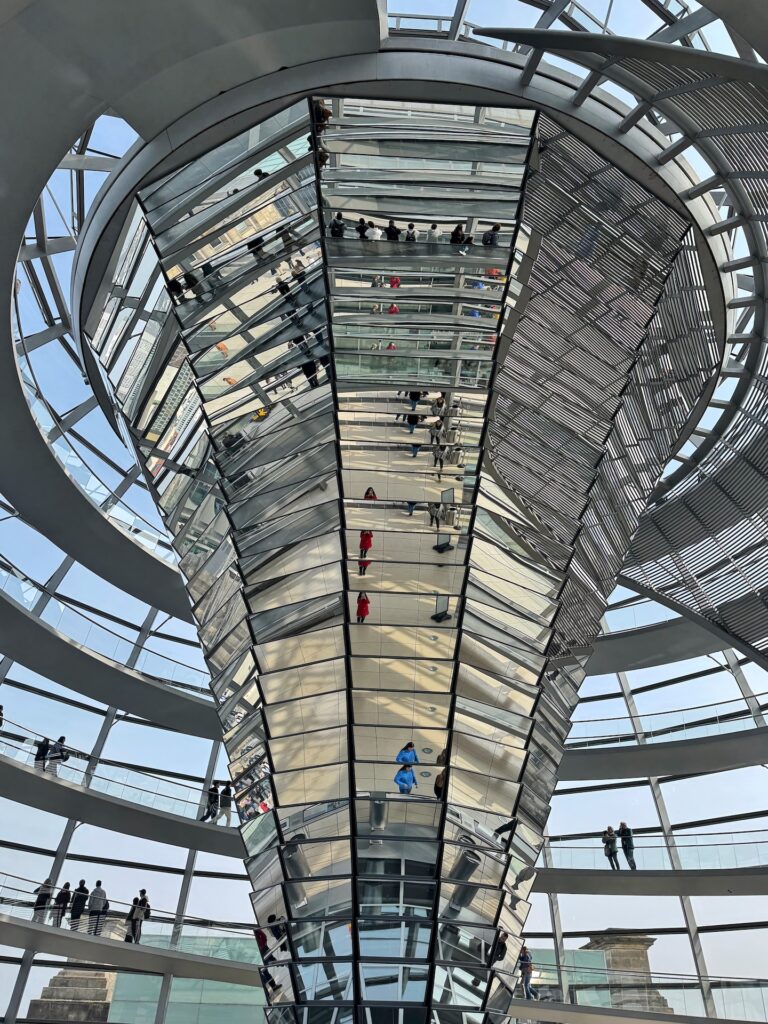
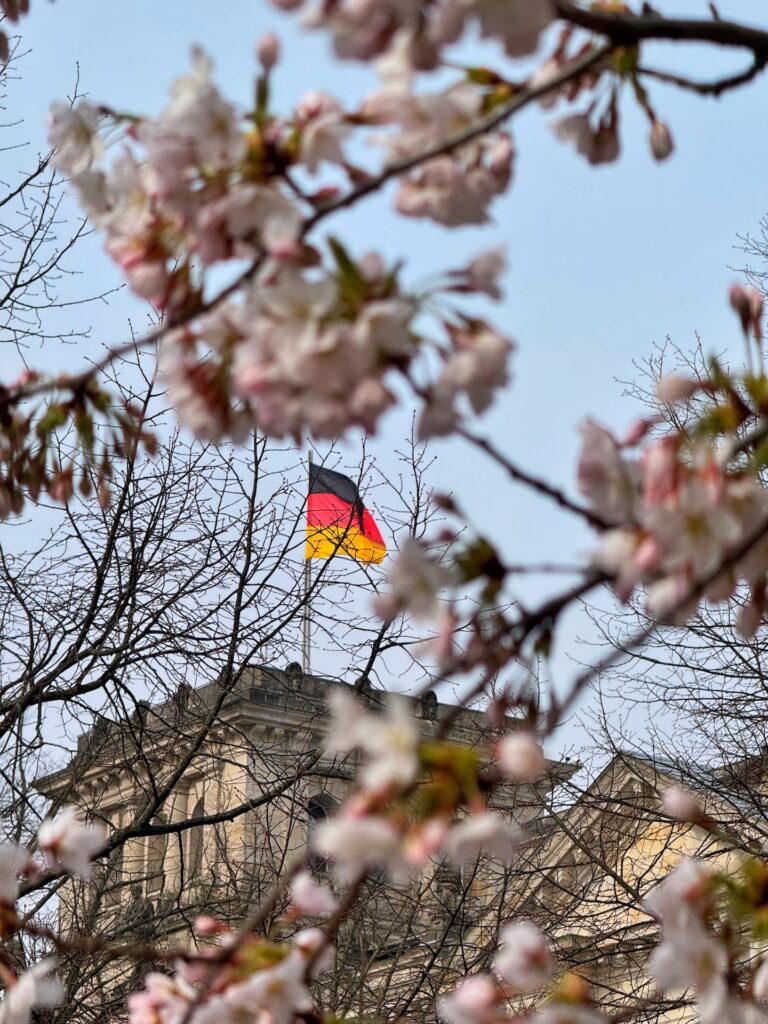
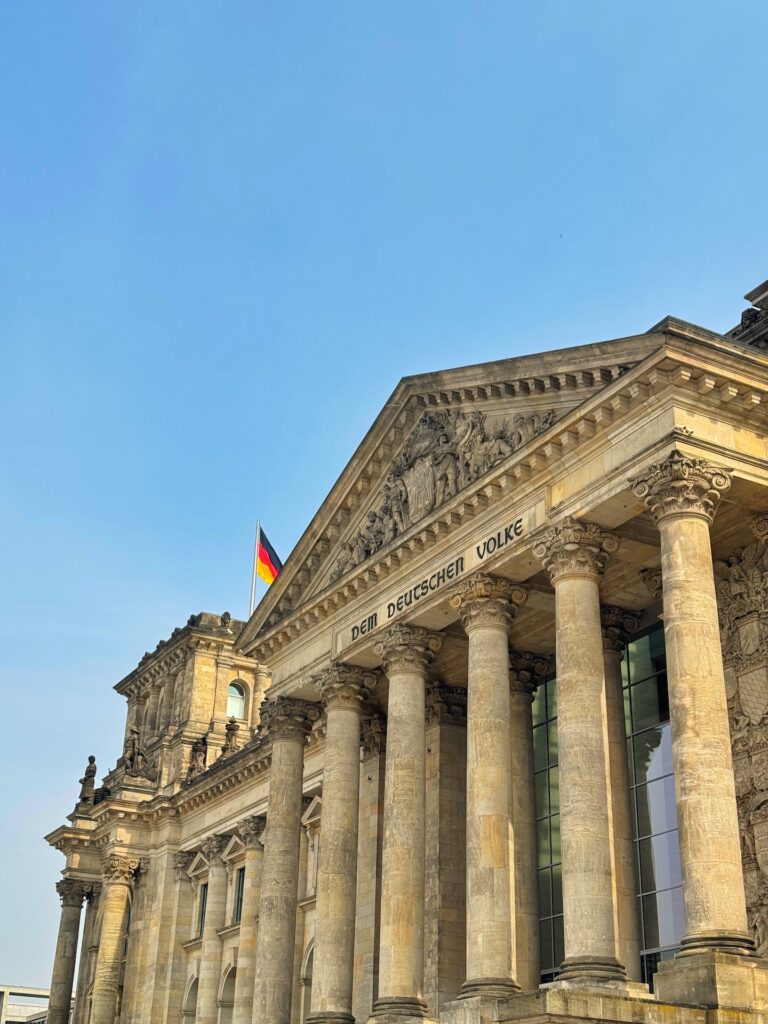
The modern glass dome atop the historic Reichstag building is one of Berlin’s most symbolic spaces. Designed by architect Norman Foster, the structure allows visitors to spiral upward while looking down into the parliamentary chamber below. From the rooftop terrace, you’re treated to panoramic views across Berlin’s layered skyline, where old and new architecture stand side-by-side.
Berlin TV Tower
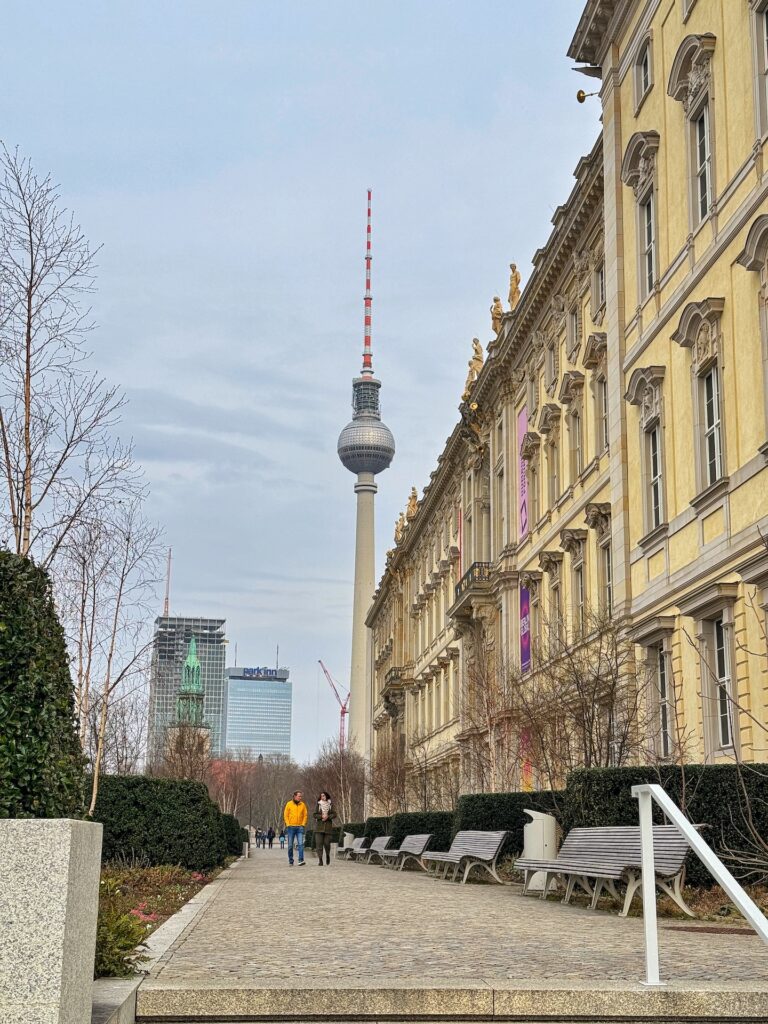
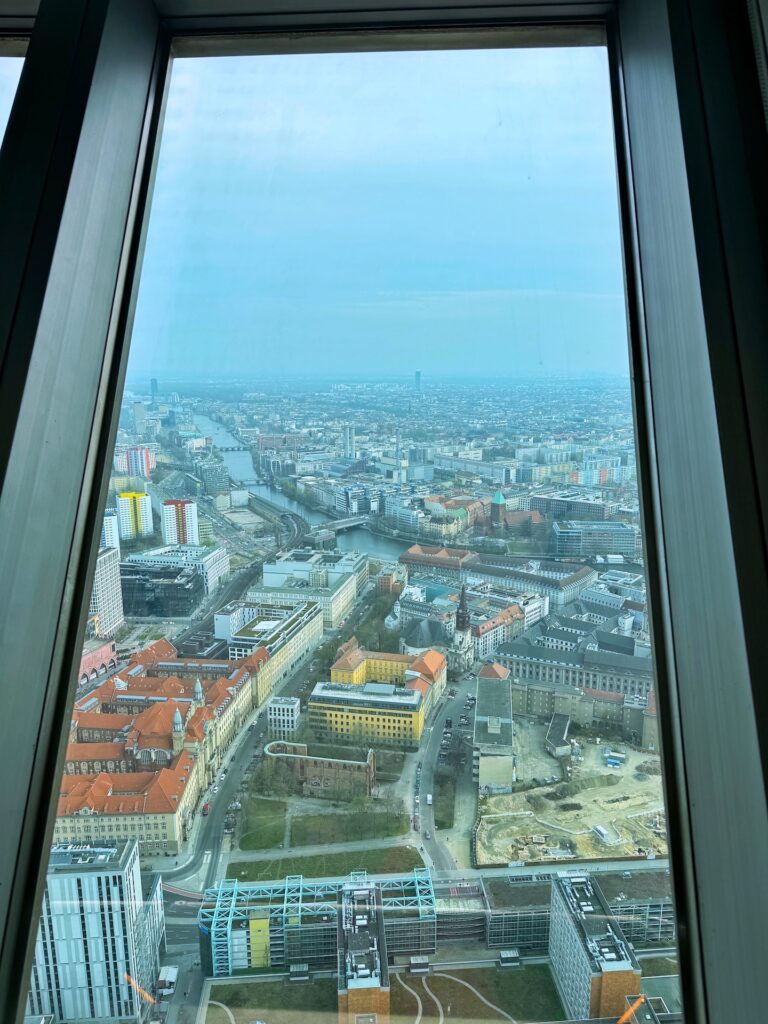
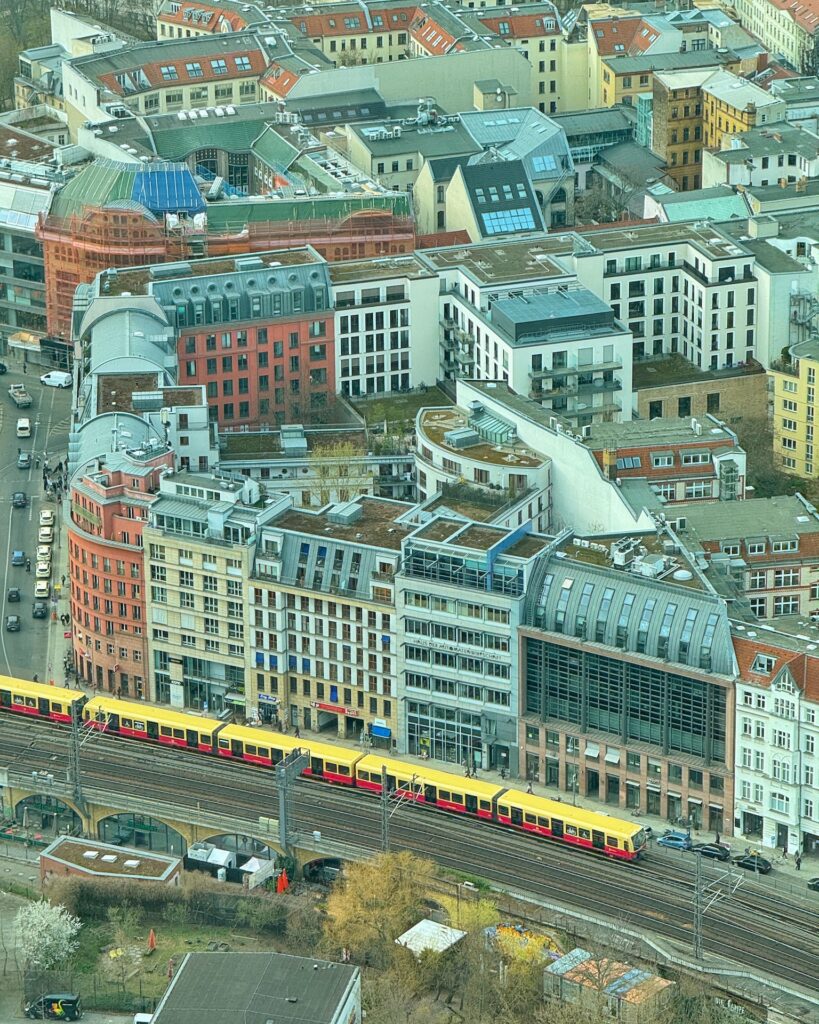
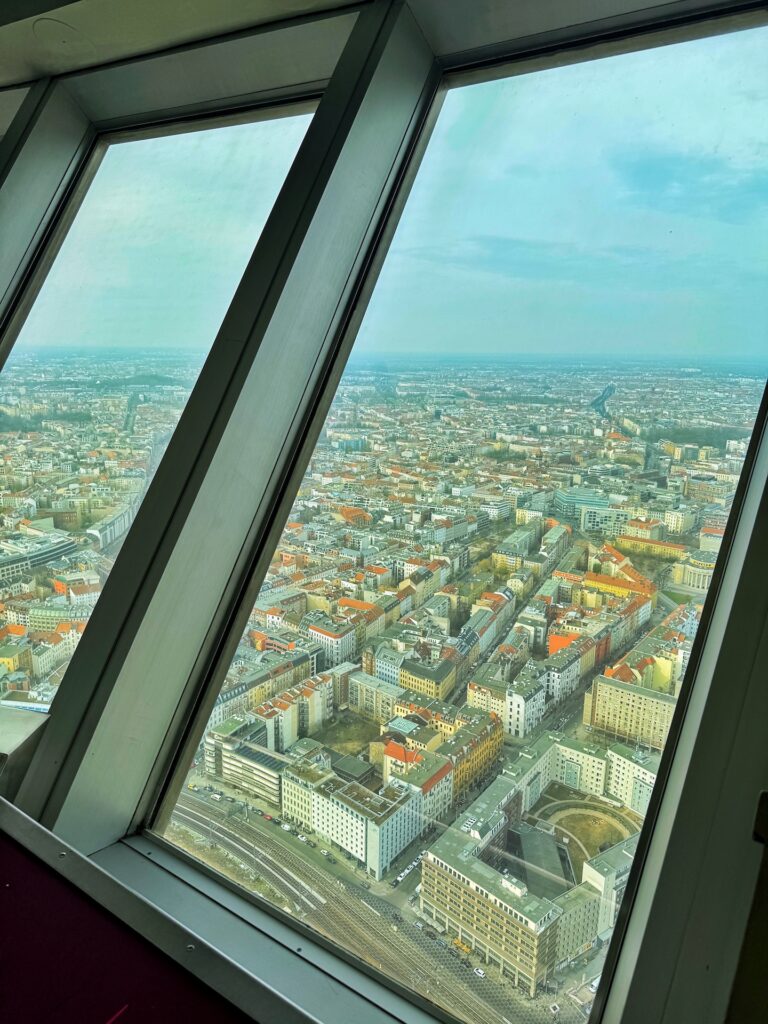
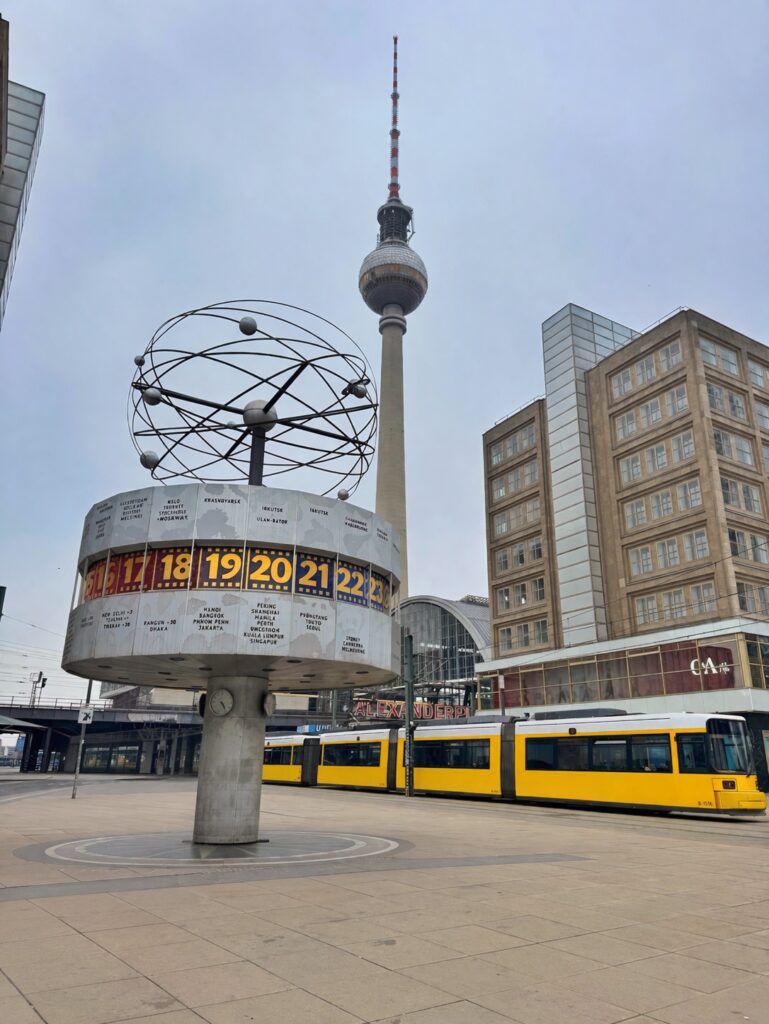
Rising 368m above Alexanderplatz, the TV Tower is Berlin’s tallest structure and an enduring symbol of the former East Germany. Built in the 1960s to showcase socialist power and modernity, it now offers visitors a 360-degree observation deck with sweeping views across the capital.
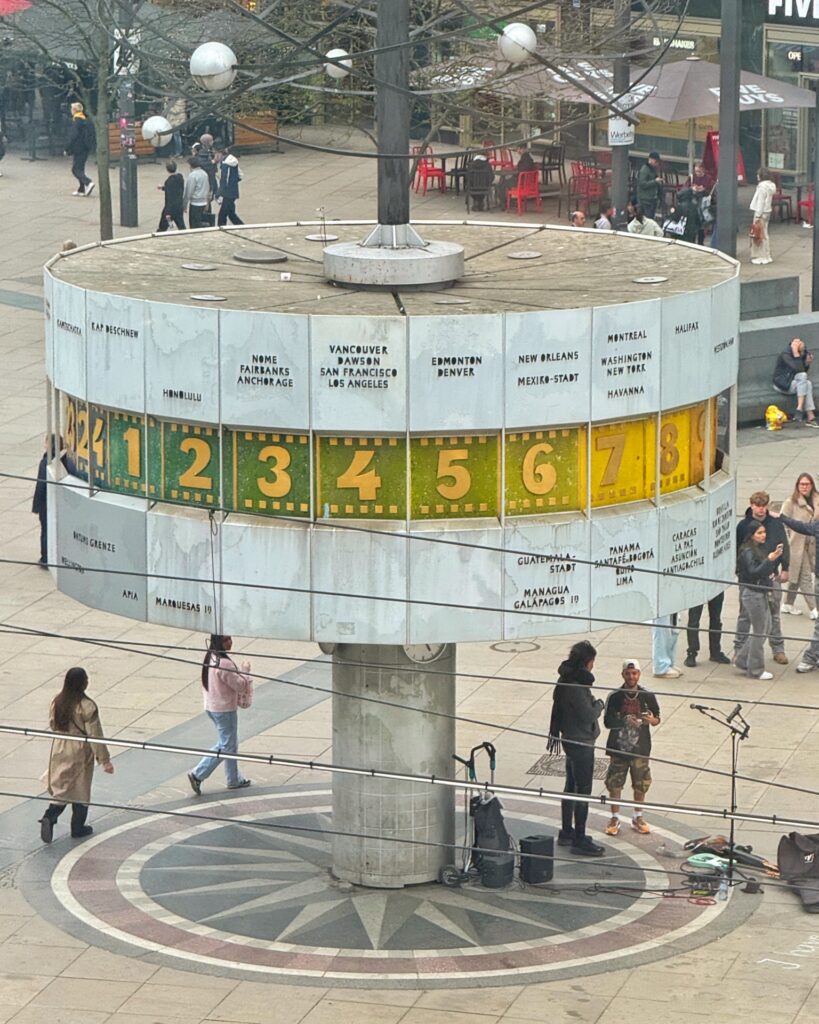
Alexanderplatz World Clock
Installed in 1969, the World Clock is a retro-futuristic timepiece that displays the current time in cities around the globe. Located in bustling Alexanderplatz, it has long served as one of Berlin’s most popular meeting points. Surrounded by street performers, trams, and the hum of city life, it captures the everyday rhythm of modern Berlin.
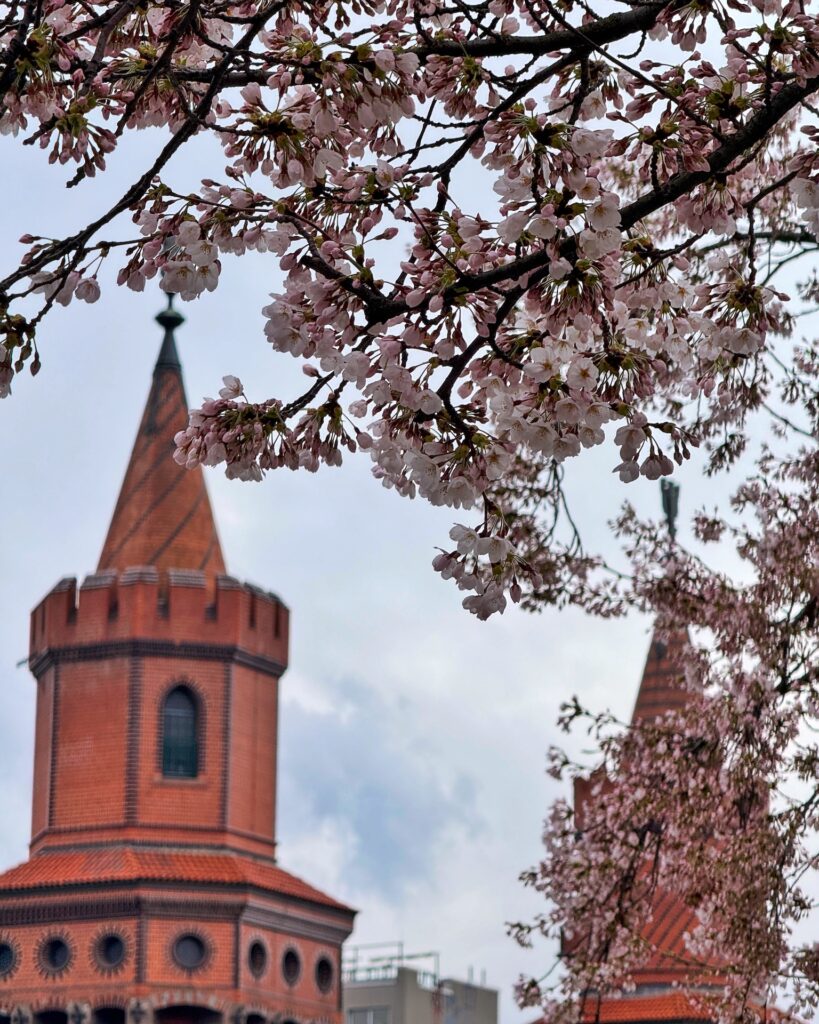
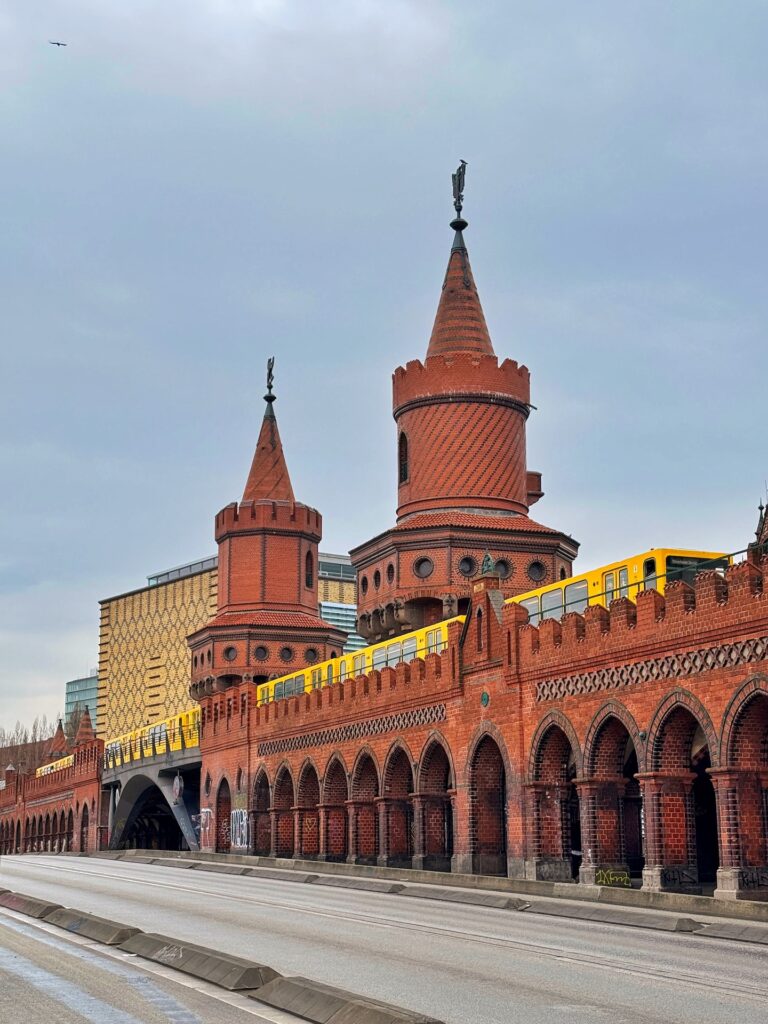
Oberbaum Bridge
Considered to be the most beautiful bridge in Berlin, this double-deck red brick structure links Friedrichshain and Kreuzberg, serving as a symbol of unity with U-Bahn trains crossing on the upper level.
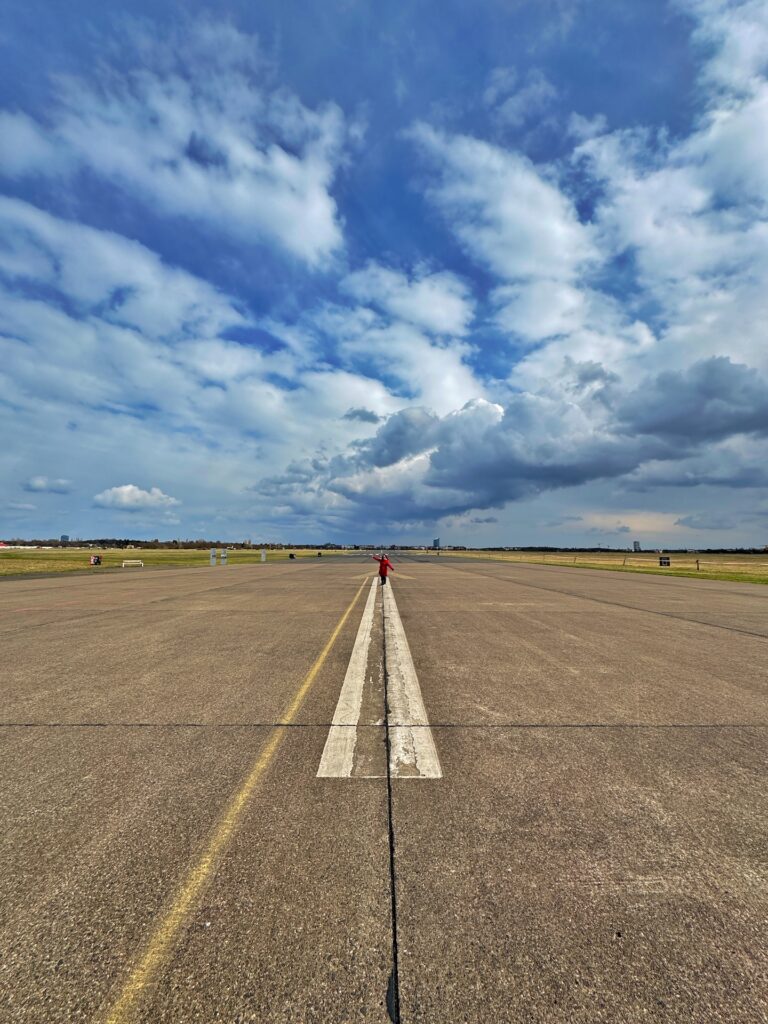
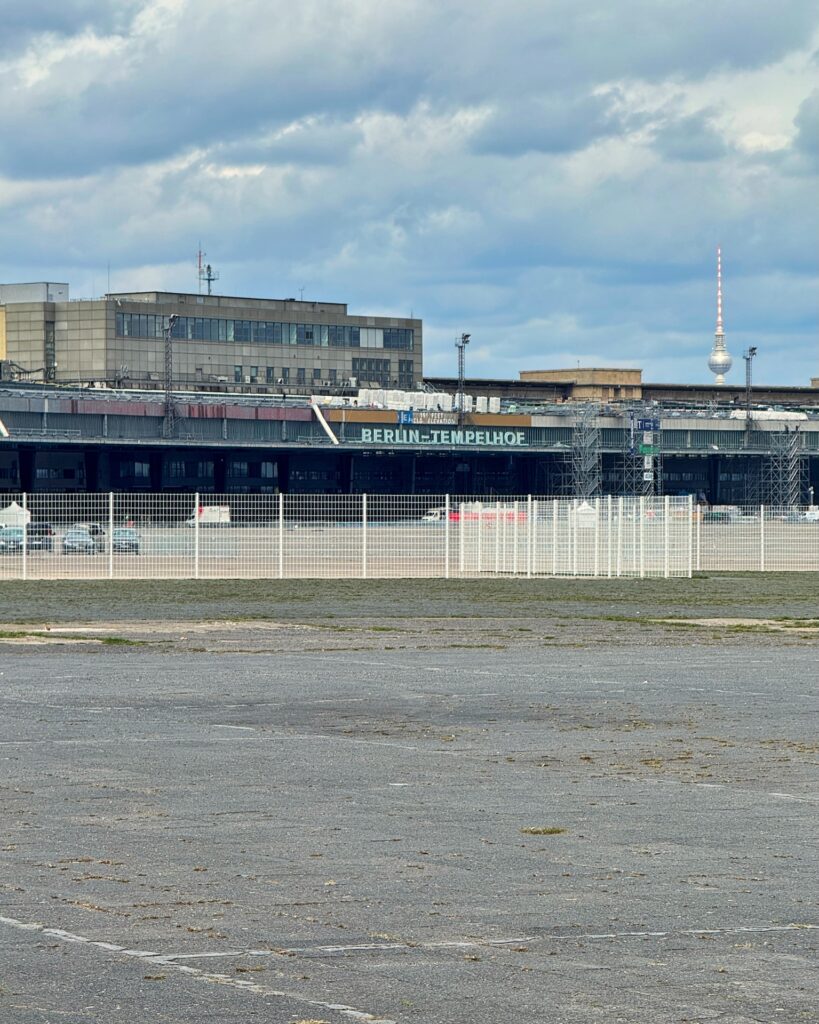
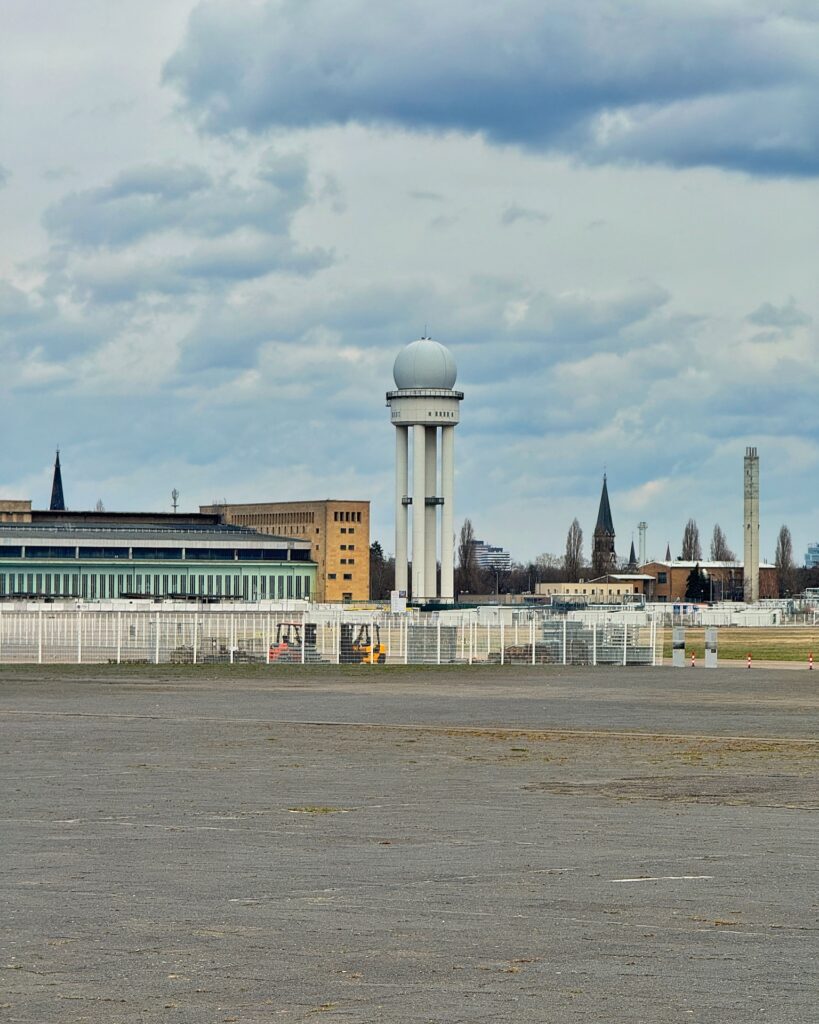
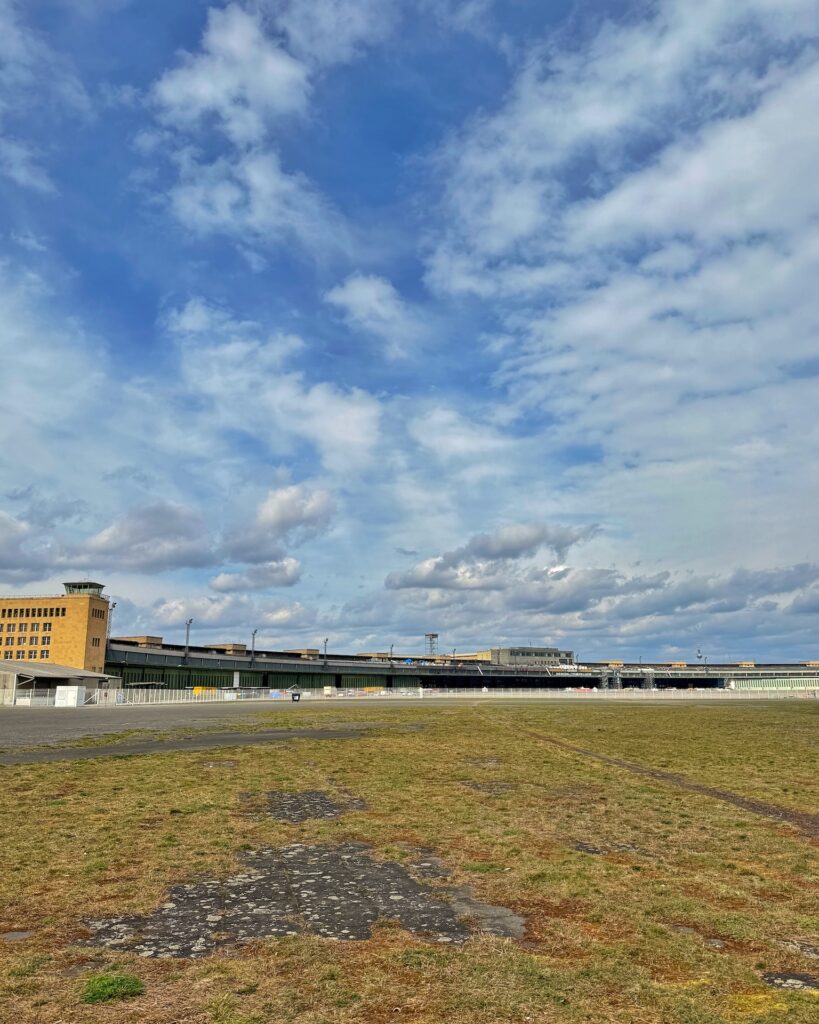
Tempelhof Airport
Berlin Tempelhof Airport was one of the first airports in Berlin, Germany. It was constructed between 1936 and 1941, and served as the city’s main airport during WWII, heavily used by military aircraft. Under Nazi rule, it was expanded into one of the largest buildings in the world, designed to project power and control.
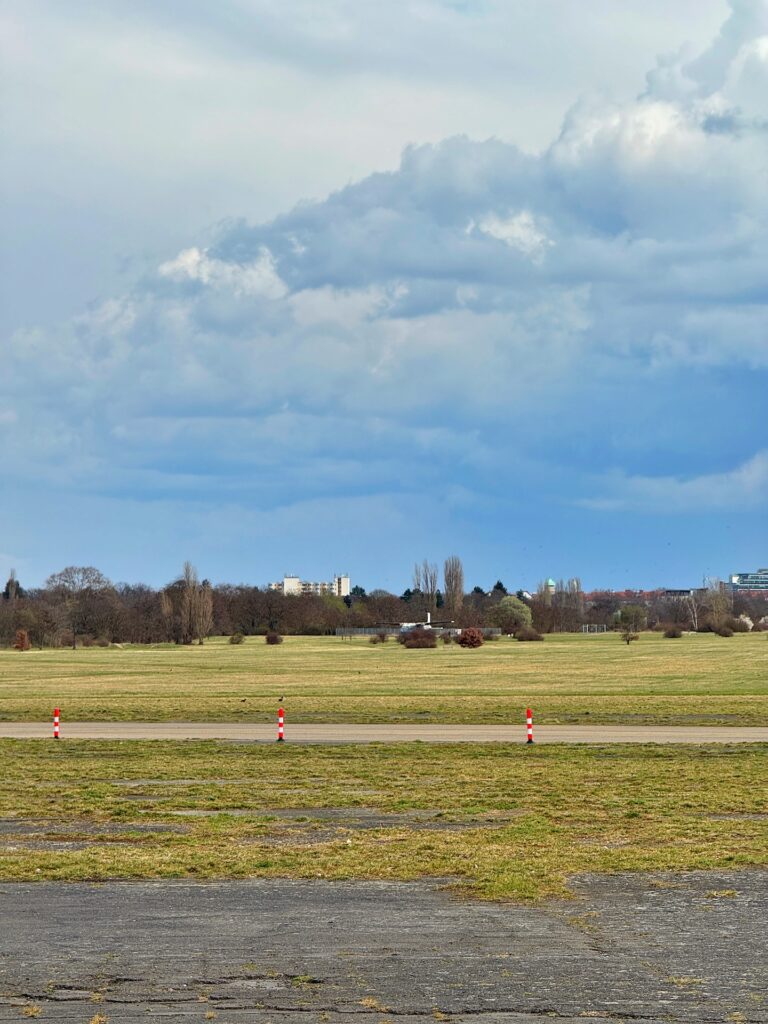
Today, it’s been transformed into an expansive public space where anyone can wander freely across the old runways and vast airfield. Walking here feels surreal as it is the same ground that once carried the weight of history.

You may also like




Leave a Reply